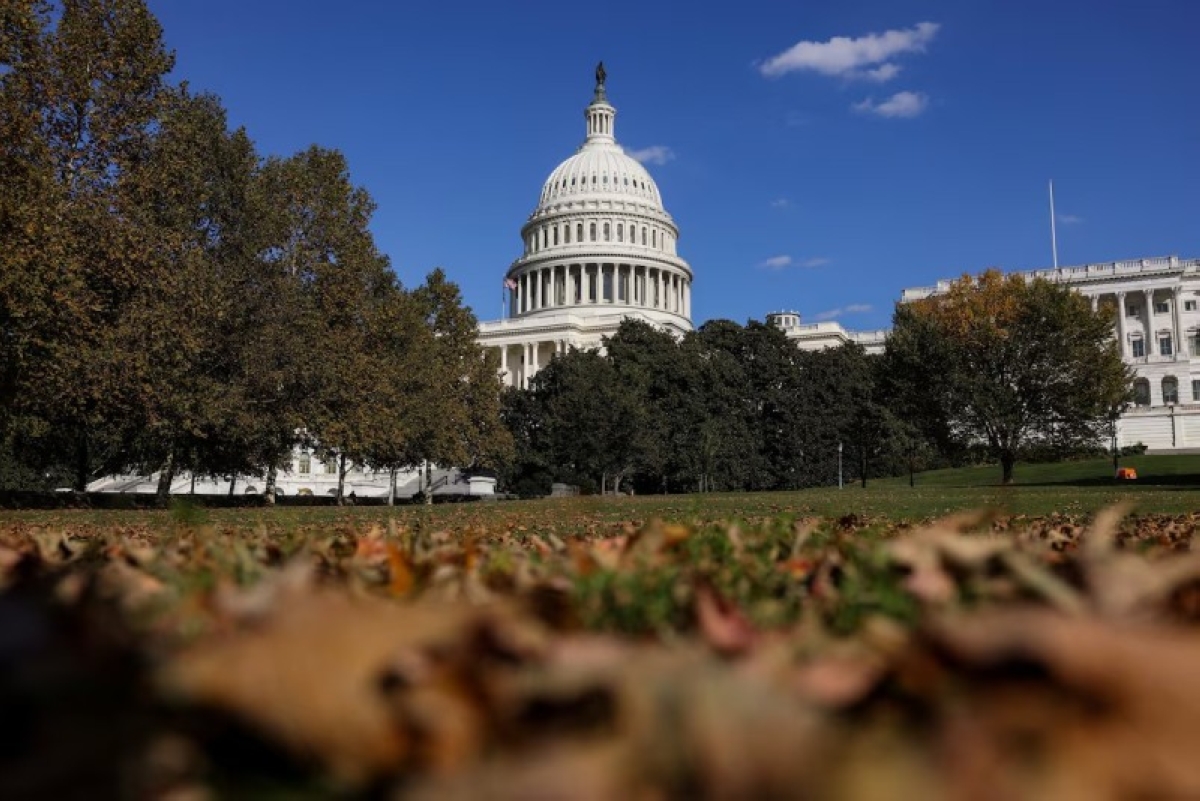
حذر مكتب الميزانية في الكونغرس الأمريكي، التابع للحكومة الفيدرالية وغير المنحاز سياسياً، من أن الإغلاق الحكومي الجزئي قد يكلف الاقتصاد الأمريكي ما بين 7 و14 مليار دولار، مع انخفاض يصل إلى 2% في الناتج المحلي الإجمالي خلال الربع الرابع، نتيجة توقف الإنفاق الحكومي.
اليوم الـ29 من الإغلاق الحكومي
ودخل الإغلاق الجزئي يومه الـ29 أمس (الأربعاء) دون أي إشارة إلى نهاية قريبة، ودعا الجمهوريون في مجلس الشيوخ الديمقراطيين لدعم قانون مؤقت يمول الوكالات الفيدرالية حتى 21 نوفمبر، بينما طالب الديمقراطيون بمفاوضات لتمديد الائتمانات الضريبية الفيدرالية المنتهية الصلاحية، التي تساعد الأمريكيين في شراء تأمين صحي خاص من خلال قانون الرعاية الصحية الميسورة (أوباما كير).
وأوضح المكتب أن الاقتصاد سيتضرر من تأخير الإنفاق الفيدرالي على تعويضات الموظفين، والسلع والخدمات، ومساعدات الغذاء للفئات الفقيرة.
رسالة إلى مجلس النواب الأمريكي
وفي رسالة إلى رئيس لجنة الميزانية في مجلس النواب جودي أرينغتون، الجمهوري من تكساس، الذي طلب هذا التحليل، كتب مدير الوكالة فيليب سواجيل: «رغم أن معظم الانخفاض في الناتج المحلي الحقيقي سيتم تعويضه في النهاية، إلا أن مكتب الميزانية يقدر أن الخسائر التي تصل من 7 إلى 14 مليار دولار لن تُسترد». وأضاف: «تأثيرات الإغلاق على الاقتصاد غير مؤكدة، وتعتمد على قرارات الإدارة خلال الإغلاق».
وبدأ الإغلاق في 1 أكتوبر 2025، مع بداية السنة المالية الفيدرالية 2026، ما أدى إلى إجازة مدفوعة الأجر لنحو 750 ألف موظف فيدرالي، واتخذت إدارة الرئيس الأمريكي دونالد ترمب خطوات لضمان رواتب الجنود الأمريكيين، ووكلاء إنفاذ القانون الفيدراليين، ومسؤولي الهجرة، بينما يستمر موظفون آخرون في العمل دون أجر.
ووفقاً لمكتب الميزانية، سيؤدي إنهاء الإغلاق هذا الأسبوع إلى خسارة دائمة قدرها 7 مليارات دولار، بينما سيصل الضرر إلى 11 مليار دولار إذا استمر لستّة أسابيع حتى 12 نوفمبر، و14 مليار دولار إذا امتد إلى ثمانية أسابيع حتى 26 نوفمبر.
الإغلاق الأطول في التاريخ الأمريكي
يُعد هذا الإغلاق الأطول الكامل في تاريخ الولايات المتحدة، إذ فشل الكونغرس في تمرير قوانين التمويل بسبب خلافات حزبية حول الإنفاق الفيدرالي، وأدى إلى إغلاق معالم وطنية مثل نصب واشنطن وغابات موير الوطنية، وتأخير تقارير التضخم، وتعطيل عمل آلاف الموظفين.
كما أثر على برنامج المساعدات الغذائية (SNAP)، الذي يغطي أكثر من 41 مليون أمريكي، إذ أعلنت وزارة الزراعة عدم صرف المدفوعات في 1 نوفمبر بسبب نفاد التمويل الطارئ، ما دفع أكثر من 24 ولاية، بما في ذلك كاليفورنيا ونيويورك، إلى مقاضاة إدارة ترمب.
في اليوم الـ28، فشل مجلس الشيوخ للمرة الـ13 في تمرير مشروع قانون جمهوري، وسط اتهامات متبادلة. أكثر من 700 ألف موظف في إجازة، و1.4 مليون يعملون دون أجر، مع خسائر اقتصادية أسبوعية تصل إلى 7 مليارات دولار، وإجمالي يتجاوز 140 مليار دولار حتى اليوم الـ20، كما أوقفت قاضية فيدرالية في سان فرانسيسكو آلاف قرارات الإقالة لموظفين أعلنتها الإدارة، معتبرة إياها انتهاكاً للقانون.
غضب واسع
وأثار الإغلاق غضباً واسعاً، مع دعوات من نقابات الموظفين ومنظمات مثل الاتحاد الدولي للطيارين لإنهائه فوراً، محذرين من تأثيراته على الاقتصاد، والأمن الجوي، والخدمات الاجتماعية.
ومع اقتراب 1 نوفمبر، يزداد الضغط على الكونغرس لإيجاد حل، وسط مخاوف من تعميق الفجوة الاقتصادية وتعطيل الخدمات الأساسية.
The U.S. Congressional Budget Office, which is politically neutral and part of the federal government, warned that the partial government shutdown could cost the U.S. economy between $7 billion and $14 billion, with a decline of up to 2% in GDP during the fourth quarter due to the halt in government spending.
Day 29 of the Government Shutdown
The partial shutdown entered its 29th day yesterday (Wednesday) with no sign of a near end, and Senate Republicans called on Democrats to support a temporary bill that would fund federal agencies until November 21, while Democrats demanded negotiations to extend expired federal tax credits that help Americans purchase private health insurance through the Affordable Care Act (Obamacare).
The office clarified that the economy will be harmed by delays in federal spending on employee compensation, goods and services, and food assistance for the poor.
Message to the U.S. House of Representatives
In a letter to House Budget Committee Chairman Jodey Arrington, a Republican from Texas who requested this analysis, agency director Philip Swagel wrote: “Although most of the decline in real GDP will eventually be offset, the Budget Office estimates that losses of $7 billion to $14 billion will not be recovered.” He added: “The effects of the shutdown on the economy are uncertain and depend on the administration's decisions during the shutdown.”
The shutdown began on October 1, 2025, with the start of the federal fiscal year 2026, leading to paid leave for about 750,000 federal employees. The administration of President Donald Trump took steps to ensure the pay of U.S. soldiers, federal law enforcement agents, and immigration officials, while other employees continued to work without pay.
According to the Budget Office, ending the shutdown this week would result in a permanent loss of $7 billion, while the damage would reach $11 billion if it continued for six weeks until November 12, and $14 billion if it extended to eight weeks until November 26.
The Longest Shutdown in U.S. History
This is the longest complete shutdown in U.S. history, as Congress failed to pass funding laws due to partisan disagreements over federal spending, leading to the closure of national landmarks such as the Washington Monument and Muir Woods National Monument, delays in inflation reports, and disruption of thousands of employees' work.
It also affected the Supplemental Nutrition Assistance Program (SNAP), which covers more than 41 million Americans, as the Department of Agriculture announced that payments would not be issued on November 1 due to a lack of emergency funding, prompting more than 24 states, including California and New York, to sue the Trump administration.
On the 28th day, the Senate failed for the 13th time to pass a Republican bill amid mutual accusations. More than 700,000 employees are on leave, and 1.4 million are working without pay, with weekly economic losses reaching $7 billion, totaling over $140 billion by the 20th day. A federal judge in San Francisco also halted thousands of employee termination decisions announced by the administration, deeming them a violation of the law.
Widespread Anger
The shutdown has sparked widespread anger, with calls from employee unions and organizations like the International Pilots Union to end it immediately, warning of its impacts on the economy, air security, and social services.
As November 1 approaches, pressure is mounting on Congress to find a solution amid fears of deepening the economic gap and disrupting essential services.