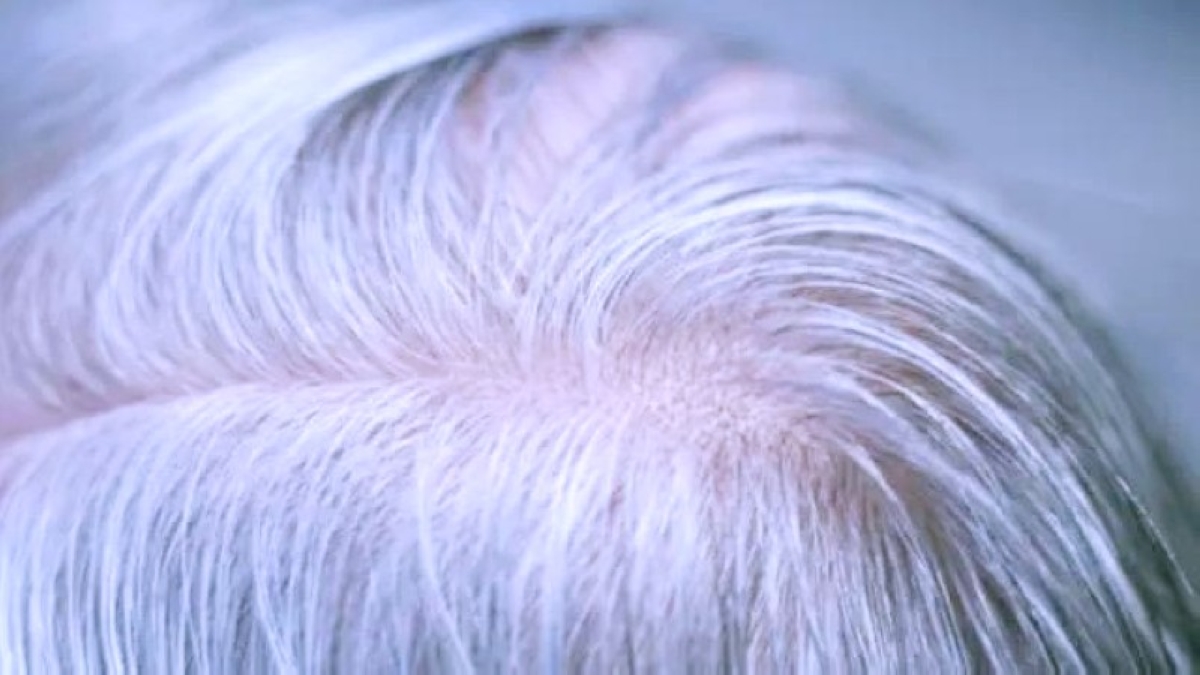
كشفت دراسة حديثة أجراها فريق من الباحثين في جامعة (تافتس) الأمريكية، أن تحوّل لون الشعر إلى الرمادي لا يُعدّ مجرّد علامة على التقدم في العمر، بل يرتبط بآلية دفاعية فسيولوجية تسهم في حماية الجسم من أحد أخطر أنواع سرطان الجلد. وأوضحت الدراسة أن فقدان الخلايا الصبغية المسؤولة عن إنتاج الميلانين، يؤدي إلى إطلاق الخلايا الجذعية إشارات مناعية قوية لمواجهة الخلايا المتحوّلة، ما يخلق بيئة مقاومة طبيعية تقلّل من فرص تطوّر الأورام الميلانينية.
وبحسب نتائج الدراسة المنشورة في مجلة (نيتشر)، فإن الفريق استخدم نماذج مخبرية لخلايا جلدية وشعرية بشرية لرصد كيفية تغيّر سلوك الخلايا الجذعية أثناء عملية الشيب، وتبيّن أن هذه الخلايا لا تموت بالكامل كما كان يُعتقد، بل تتحوّل إلى خلايا ذات نشاط مناعي مرتفع، قادرة على التعرف على الخلايا الشاذة وإيقاف نموها قبل تحوّلها إلى خلايا سرطانية.
وأكّد الباحثون أن هذه النتائج قد تمهّد لتطوير علاجات وقائية تستفيد من آليات الشيب الطبيعي لتعزيز مناعة الجلد ضد السرطان، مشيرين إلى أن الفهم الجديد لتفاعل الخلايا الجذعية الصبغية مع الجهاز المناعي يفتح آفاقاً واسعة لأبحاث الشيخوخة ومقاومة الأمراض الجلدية الخبيثة.
A recent study conducted by a team of researchers at Tufts University in the United States revealed that the graying of hair is not merely a sign of aging, but is linked to a physiological defensive mechanism that helps protect the body from one of the most dangerous types of skin cancer. The study explained that the loss of pigment-producing cells responsible for melanin production leads to the release of strong immune signals by stem cells to combat transformed cells, creating a natural resistant environment that reduces the chances of melanoma development.
According to the study's results published in the journal Nature, the team used laboratory models of human skin and hair cells to observe how the behavior of stem cells changes during the graying process. It was found that these cells do not completely die as previously thought, but rather transform into cells with high immune activity, capable of recognizing abnormal cells and stopping their growth before they turn into cancerous cells.
The researchers confirmed that these findings could pave the way for the development of preventive treatments that leverage the mechanisms of natural graying to enhance skin immunity against cancer, noting that the new understanding of the interaction between pigment stem cells and the immune system opens up wide horizons for research on aging and resistance to malignant skin diseases.