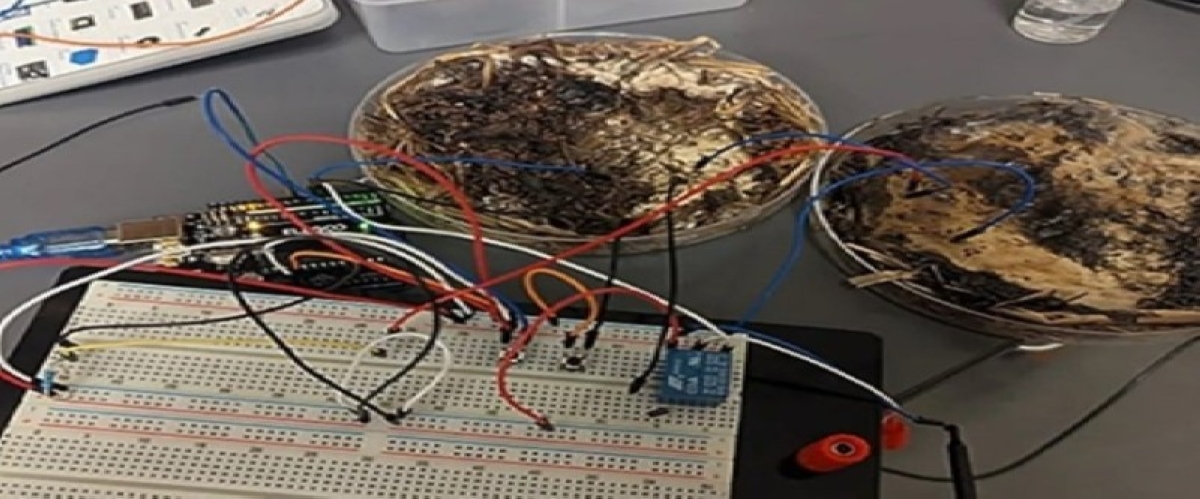
في إنجاز تقني أقرب إلى الخيال العلمي منه إلى الواقع، أعلن فريق بحثي من جامعة ولاية أوهايو الأمريكية تطوير نظام حوسبي جديد يعتمد على فطر شيتاكي ليعمل كذاكرة إلكترونية عضوية قادرة على تخزين البيانات ومعالجتها بطريقة تحاكي عمل الدماغ البشري.
نُشرت نتائج التجربة المدهشة في مجلة PLoS ONE العلمية، وتوضح أن الفطر يمكن تدريبه على «تذكّر» الحالات الكهربائية السابقة، وهو ما يُعرف في الأوساط العلمية باسم المقاومة الذاكرية العضوية (Organic Memristor)، وهي تقنية تسمح للفطر بالتعلّم الذاتي واكتساب «ذاكرة كهربائية» بخصائص تشبه التشابك العصبي في الدماغ.
وقال الباحث جون لاروكو، المشرف على الدراسة: «الفطر قادر على تعديل مقاومته بناءً على الإشارات السابقة، ما يجعله يتعلّم ويتكيّف تمامًا كما تفعل الخلايا العصبية. وهذا يفتح الباب أمام تطبيقات مذهلة في الروبوتات والمركبات ذاتية القيادة».
وأوضح الفريق أنه استخدم غزل الفطر المجفف وربطه بدوائر كهربائية صغيرة تعرضت لموجات مختلفة من التيار، لتُظهر الأجهزة قدرة على تبديل الحالات الكهربائية نحو 6000 مرة في الثانية بدقة بلغت 90%.
ويتميّز النظام الجديد بانخفاض استهلاكه للطاقة وغياب النفايات الإلكترونية تقريبًا، مع إمكانية التحلل البيولوجي الكامل، ما يجعله أكثر استدامة وصداقة للبيئة من أنظمة الحوسبة التقليدية.
كما يرى الباحثون أن الفطر الحاسوبي قد يكون مناسبًا لتقنيات استكشاف الفضاء بفضل مقاومته للإشعاع وعدم حاجته للعناصر الأرضية النادرة، فضلًا عن إمكانية تصغيره إلى مستويات متناهية لصنع أجهزة حوسبة دقيقة منخفضة الاستهلاك.
ولم تخْلُ الدراسة من أسئلة فلسفية أثارت فضول العلماء: «إذا تم تشغيل الذكاء الاصطناعي على حاسوب مصنوع من الفطر، فهل سيكون ذكاءً اصطناعيًا أم بيولوجيًا؟»، و«هل يمكن أن يؤدي استخدام أنواع فطر تحتوي على مركّبات هلوسة إلى ولادة حاسوب.. يحلم؟». تساؤلات تفتح فصلًا جديدًا في العلاقة بين البيولوجيا والتكنولوجيا، وقد تغيّر شكل الحوسبة كما نعرفها اليوم.
In a technological achievement closer to science fiction than reality, a research team from Ohio State University has announced the development of a new computing system based on shiitake mushrooms that functions as an organic electronic memory capable of storing and processing data in a way that mimics the workings of the human brain.
The results of this astonishing experiment were published in the scientific journal PLoS ONE, demonstrating that the mushroom can be trained to "remember" previous electrical states, a phenomenon known in scientific circles as organic memristance. This technology allows the mushroom to self-learn and acquire an "electrical memory" with properties similar to neural entanglement in the brain.
Researcher John LaRocco, who supervised the study, stated: "The mushroom is capable of modifying its resistance based on previous signals, allowing it to learn and adapt just like neurons do. This opens the door to amazing applications in robotics and autonomous vehicles."
The team explained that they used dried mushroom mycelium and connected it to small electrical circuits exposed to different current waves, showing that the devices could switch electrical states about 6000 times per second with an accuracy of 90%.
The new system is characterized by its low energy consumption and almost complete absence of electronic waste, with the potential for full biodegradability, making it more sustainable and environmentally friendly than traditional computing systems.
Researchers also believe that computing mushrooms could be suitable for space exploration technologies due to their resistance to radiation and lack of need for rare earth elements, as well as the possibility of miniaturizing them to microscopic levels to create low-consumption computing devices.
The study also raised philosophical questions that piqued scientists' curiosity: "If artificial intelligence is run on a computer made from mushrooms, will it be artificial intelligence or biological intelligence?" and "Could the use of mushroom species containing hallucinogenic compounds lead to the birth of a computer... that dreams?" These questions open a new chapter in the relationship between biology and technology and could change the nature of computing as we know it today.