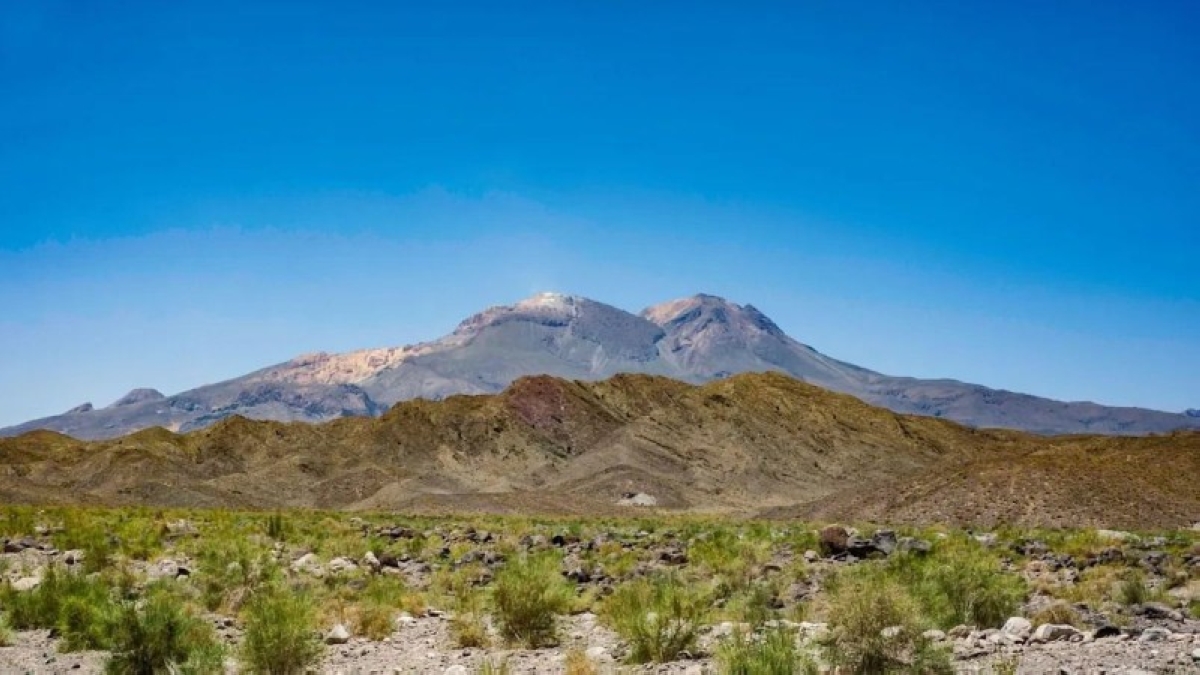
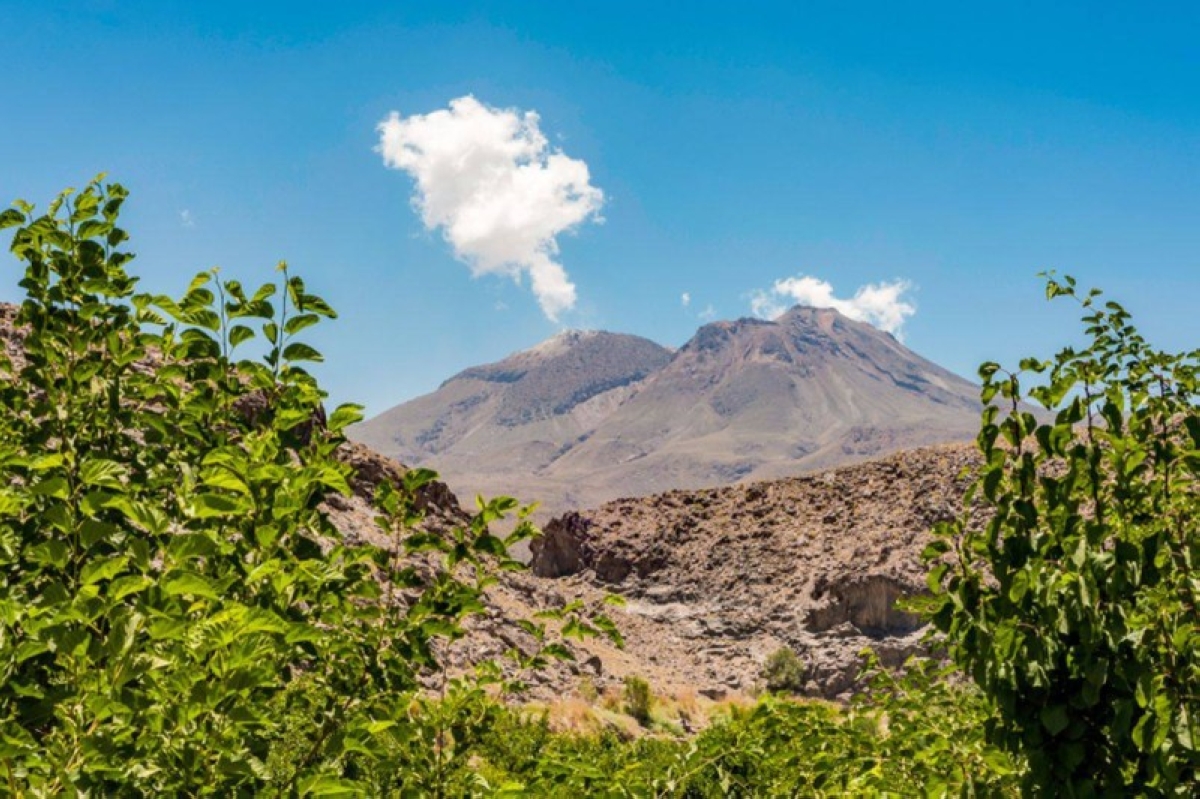
في تطور يثير الذعر الإقليمي، حذّر باحثون دوليون من علامات نشاط بركاني واضحة في بركان تفتان، الوحش الخامل الذي يقع على الحدود الإيرانية-الباكستانية، والذي لم يشهد انفجاراً منذ أكثر من 710 آلاف عام.
ووفقاً لدراسة حديثة نشرتها مجلة «Lanzarote» الإسبانية، ارتفعت قمة البركان بمقدار 8.9 سنتيمتر خلال الفترة من يوليو 2023 إلى مايو 2024، ولم تعُد إلى مستواها الطبيعي، ما يشير إلى تراكم ضغط غازي هائل داخل البركان قد يؤدي إلى انفجار مدمر.
ووصف الخبراء البركان بـ«الزومبي» الذي يستيقظ، محذّرين من أن هذه العلامات الأولى قد تكون مقدمة لكارثة إقليمية تهدد ملايين السكان في إيران وباكستان.
وأجرت الدراسة -بقيادة عالم البراكين الإسباني بابلو غونزاليس من معهد المنتجات الطبيعية والزراعية- تحليلاً لصور الأقمار الصناعية كشف عن انتفاخ في المنطقة المحيطة بقمة البركان، إلى جانب زيادة في انبعاثات الغازات مثل ثاني أكسيد الكبريت بمعدل 20 طناً يومياً، مع رائحة كبريتية وصلت إلى مدينة خاش الإيرانية على بعد 130 كيلومتراً.
وأكد غونزاليس أن «تفتان أكثر نشاطاً مما كنا نعتقد، ويجب تغيير تصنيفه من (منقرض) إلى (خامل)»، مشدّداً على أن الضغط المتراكم سينفجر عاجلاً أم آجلاً، سواء بهدوء أو بعنف، لكنه أكد عدم وجود خطر وشيك حالياً، ودعا السلطات الإيرانية إلى تعزيز الرصد الفوري لتجنب الكوارث.
وأثار الإنذار حالة تأهب في محافظة سيستان وبلوشستان الإيرانية، وأعلنت الحكومة الإيرانية تشكيل لجنة طوارئ بركانية، مع نشر محطات مراقبة إنذار مبكر قرب البركان.
وفي باكستان، حذّرت سلطات بلوشستان سكّان بلدة تفتان (18 ألف نسمة) على بعد 100 كيلومتر من الحدود، من الاستعداد لإجلاء محتمل، مع تقارير محلية عن دخان مرئي ورائحة كبريتية قوية.
وأشارت الدراسة إلى أن هذا النشاط يعيد تقييم قوس البراكين في مقران، الذي يمتد عبر جنوب إيران وباكستان، حيث قد تكون تقييمات الخطر القديمة غير دقيقة، ما يهدد مدناً مثل زاهدان (500 ألف نسمة) وكراتشي.
**media«2605458»**
ما هو بركان تفتان؟
ويُعد بركان تفتان، الذي يرتفع إلى 3940 متراً في جنوب شرق إيران، أكبر بركان في المنطقة، ويشكل جزءاً من قوس مقران البركاني الناتج عن غوص الصفيحة العربية تحت الصفيحة الأوراسية، ما يولّد نشاطاً زلزالياً وبركانياً مستمراً.
وكان البركان خاملاً منذ آخر انفجار رئيسي قبل 710 آلاف عام في العصر الهولوسيني، وكان يُصنّف كمنقرض تماماً، مع نشاط فومارولي (انبعاث غازات) محدود فقط. ومع ذلك، أظهرت بيانات الأقمار الصناعية ارتفاعاً غير مسبوق في القمة، يُعزى إلى تراكم «ماغما» (صخور منصهرة) وغازات تحت السطح، كما حدث في براكين مثل إتنا في إيطاليا أو كيلياويا في هاواي، حيث أدّى الانتفاخ إلى انفجارات مدوّية.
In a development that raises regional alarm, international researchers have warned of clear signs of volcanic activity in Mount Taftan, the dormant giant located on the Iran-Pakistan border, which has not erupted for over 710,000 years.
According to a recent study published in the Spanish magazine "Lanzarote," the summit of the volcano has risen by 8.9 centimeters between July 2023 and May 2024, and has not returned to its normal level, indicating the accumulation of immense gas pressure within the volcano that could lead to a devastating eruption.
Experts have described the volcano as a "zombie" that is awakening, warning that these initial signs could be a precursor to a regional disaster threatening millions of residents in Iran and Pakistan.
The study, led by Spanish volcanologist Pablo Gonzalez from the Institute of Natural and Agricultural Products, analyzed satellite images revealing swelling in the area surrounding the volcano's summit, along with an increase in gas emissions such as sulfur dioxide at a rate of 20 tons per day, with a sulfurous smell reaching the Iranian city of Khash, located 130 kilometers away.
Gonzalez confirmed that "Taftan is more active than we thought, and its classification should be changed from (extinct) to (dormant)," stressing that the accumulated pressure will erupt sooner or later, whether quietly or violently, but he assured that there is currently no imminent danger, urging Iranian authorities to enhance immediate monitoring to avoid disasters.
The alert has raised a state of readiness in Iran's Sistan and Baluchestan province, and the Iranian government has announced the formation of a volcanic emergency committee, along with the deployment of early warning monitoring stations near the volcano.
In Pakistan, Baluchistan authorities have warned residents of the town of Taftan (18,000 people) located 100 kilometers from the border to prepare for a possible evacuation, with local reports of visible smoke and a strong sulfur smell.
The study indicated that this activity is prompting a reevaluation of the Makran volcanic arc, which extends across southern Iran and Pakistan, where old risk assessments may be inaccurate, threatening cities like Zahedan (500,000 residents) and Karachi.
**media«2605458»**
What is Mount Taftan?
Mount Taftan, which rises to 3,940 meters in southeastern Iran, is the largest volcano in the region and is part of the Makran volcanic arc resulting from the subduction of the Arabian plate beneath the Eurasian plate, generating ongoing seismic and volcanic activity.
The volcano has been dormant since its last major eruption 710,000 years ago in the Holocene epoch, and it was classified as completely extinct, with only limited fumarolic activity (gas emissions). However, satellite data has shown an unprecedented rise at the summit, attributed to the accumulation of magma (molten rock) and gases beneath the surface, similar to what has occurred in volcanoes like Etna in Italy or Kilauea in Hawaii, where swelling has led to explosive eruptions.