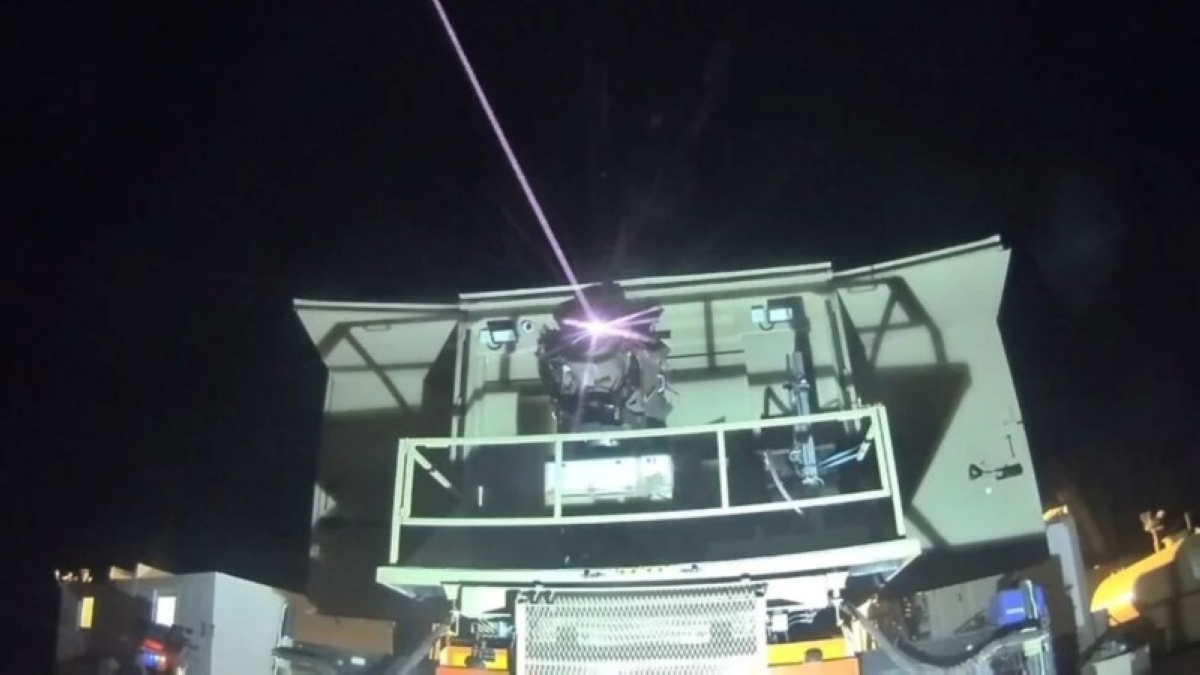
استهدف اختراق سيبراني واسع شركات دفاع إسرائيلية، إذ أعلنت مجموعة قراصنة تُعرف باسم «جبهة الإسناد السيبراني» استيلاءها على معلومات سرية تتعلق بنظام الدفاع الليزري المعروف باسم «الشعاع الحديدي» وعدد من المشاريع العسكرية الأخرى.
وبحسب ما نقلته شبكة «آر تي» الروسية، نشرت المجموعة عبر قناتها على «تليغرام» عدداً من الوثائق والصور قالت إنها حصلت عليها من خوادم تابعة لشركات إسرائيلية عاملة في قطاع الدفاع، بينها شركة «مايا» المتخصصة في الصناعات العسكرية.
وأوضح القراصنة أنهم تمكنوا من الوصول إلى بيانات تقنية حساسة تتعلق بمنظومة «الشعاع الحديدي»، التي تُعدّ من أبرز مشاريع الجيش الإسرائيلي في مجال الدفاع الجوي بالليزر، إلى جانب معلومات عن طائرات التجسس «سكاي لارك»، ونظام الدفاع الجوي «سبايدر»، وصاروخ كروز الشبح «آيس بريكر».
كما تضمّنت الملفات المسربة صوراً لعقود موقعة بين الجيش الإسرائيلي وعدد من الجهات الدفاعية في أستراليا ودول أوروبية، ما أثار تكهنات حول مدى اختراق القراصنة للبنية التحتية الدفاعية الإسرائيلية.
ولم تصدر السلطات الإسرائيلية حتى الآن تعليقاً رسمياً على الحادثة، بينما أكدت تقارير غربية أن الجهات الأمنية تتحقق من صحة الوثائق المنشورة ومدى دقة ما ورد فيها، في ظل تصاعد الحروب الإلكترونية في الآونة الأخيرة.
A widespread cyber attack targeted Israeli defense companies, as a group of hackers known as the "Cyber Support Front" announced their seizure of confidential information related to the laser defense system known as the "Iron Beam" and several other military projects.
According to what was reported by the Russian network "RT," the group published a number of documents and images via their channel on "Telegram," claiming to have obtained them from servers belonging to Israeli companies operating in the defense sector, including the company "Maya," which specializes in military industries.
The hackers explained that they managed to access sensitive technical data related to the "Iron Beam" system, which is considered one of the most prominent projects of the Israeli army in the field of laser air defense, along with information about the "Sky Lark" spy drones, the "Spider" air defense system, and the stealth cruise missile "Ice Breaker."
The leaked files also included images of contracts signed between the Israeli army and several defense entities in Australia and European countries, raising speculation about the extent of the hackers' penetration into Israeli defense infrastructure.
No official comment has yet been issued by Israeli authorities regarding the incident, while Western reports confirmed that security agencies are verifying the authenticity of the published documents and the accuracy of their contents, amid the recent escalation of cyber wars.