في إنجاز طبي يُوصف بـ«المعجزة» في الأوساط الطبية الأمريكية، حقق طبيب لبناني شاب إنجازاً غير مسبوق في مدينة شيكاغو، وتمكن من إنقاذ حياة طفل وإعادة وصل رأسه بجسده بعد انفصال شبه كامل عن العمود الفقري، في عملية جراحية دقيقة وصعبة تعد من أكثر التدخلات الطبية تعقيداً وإثارة للدهشة في تاريخ الجراحة العصبية.
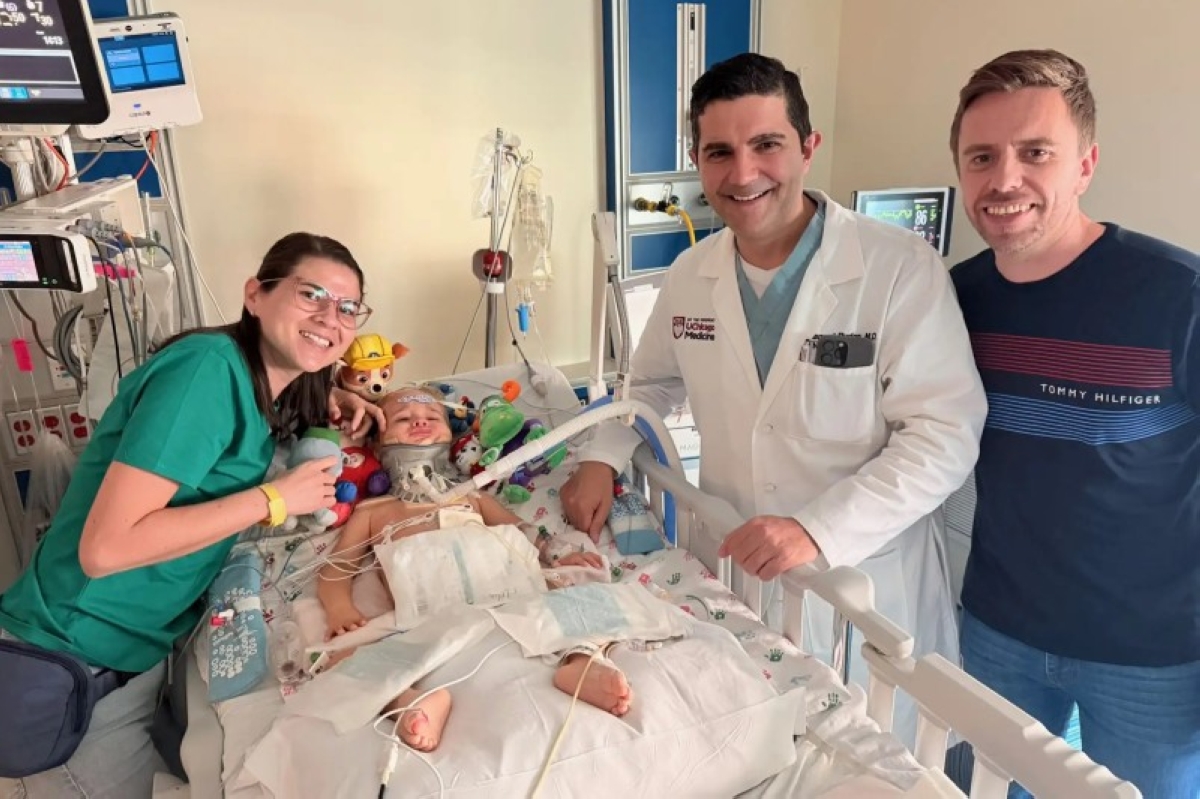
ونجح الطبيب اللبناني محمد بيضون، المولود في الولايات المتحدة الأمريكية ورئيس قسم جراحة الأعصاب في جامعة شيكاغو للطب وفريقه في إعادة تثبيت رأس طفل يبلغ من العمر عامين، بعد انفصاله شبه الكامل عن العمود الفقري، في واحدة من أكثر العمليات تعقيداً في تاريخ الطب الحديث.
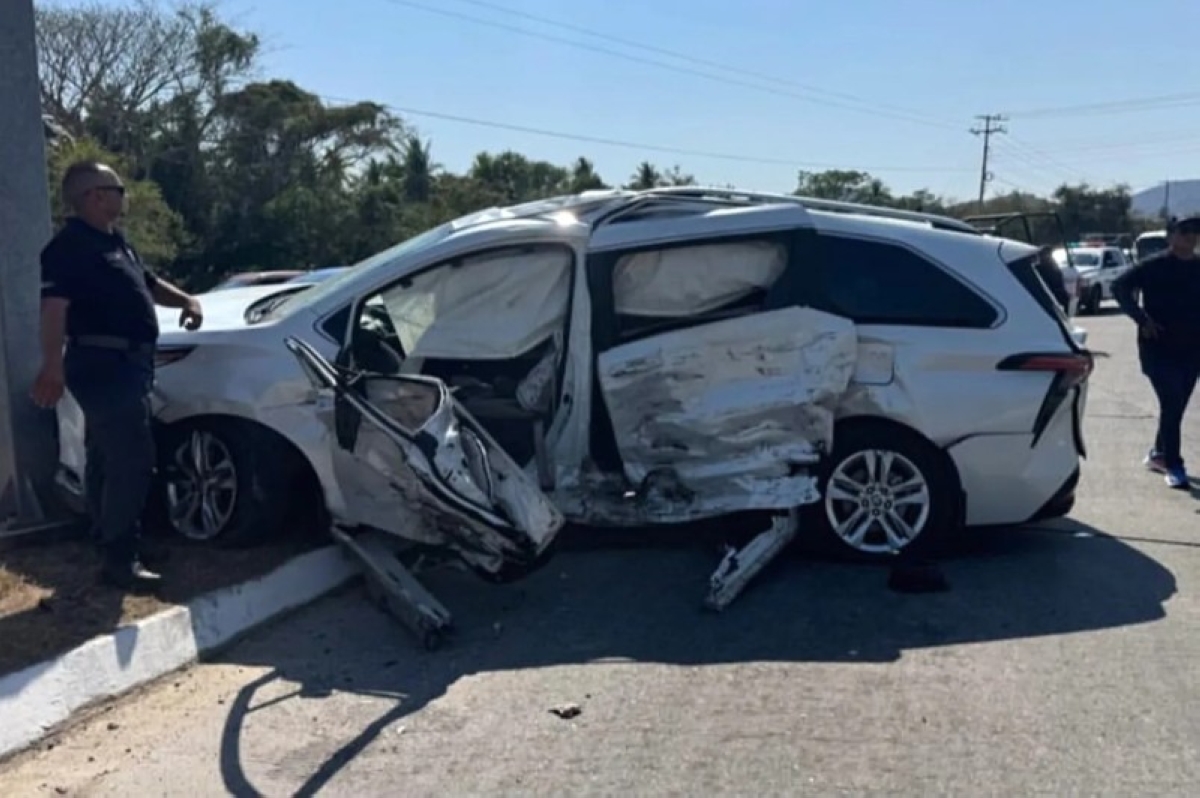
وبدأت القصة حين كان الطفل الأمريكي أوليفر ستوب البالغ من العمر عامين فقط، في رحلة مع عائلته من الولايات المتحدة إلى المكسيك. وخلال الرحلة، وقع حادث سير مروّع أدى إلى إصابة الوالدين بجروح طفيفة، فيما أصيب الطفل إصابة وُصفت بالقاتلة، وعانى من انفصال شبه كامل بين الجمجمة والعمود الفقري، وهي حالة نادرة للغاية تُعرف طبياً باسم Atlanto-Occipital Dislocation وتُعتبر من أكثر الإصابات تهديدا للحياة، وفي معظم الحالات، يؤدي هذا النوع من الانفصال إلى الوفاة الفورية بسبب تمزق الحبل الشوكي وقطع الإشارات العصبية بين الدماغ وسائر أعضاء الجسم، حتى في الحالات النادرة التي ينجو فيها المريض، يكون الشلل الكامل أو توقف التنفس نتيجة حتمية.
وأُدخل الطفل إلى مستشفى «كومر للأطفال» التابع لجامعة شيكاغو للطب، وتم استدعاء الطبيب اللبناني لمتابعة الحالة بصفته رئيس قسم جراحة الأعصاب وأحد أبرز المتخصصين في جراحات الدماغ والحبل الشوكي على مستوى الولايات المتحدة.
وأوضح الطبيب بيضون: «كانت كل المؤشرات تؤكد استحالة إنقاذ الطفل. الأطباء الذين عاينوا الحالة قبل نقله إلى شيكاغو أجمعوا على أن فرص البقاء على قيد الحياة معدومة، وأن الأفضل هو رفع أجهزة الإنعاش والتبرع بأعضائه. لكنني رأيت شيئاً آخر».
وتابع بيضون قائلاً: «أنا أب لطفلين، وقد شعرت أن هذا الطفل واحدٌ منهما. في مثل هذه اللحظات، لا تفكر بالاحتمالات، بل بالإصرار على إعطاء الحياة فرصة أخيرة. الطب ليس فقط علماً، بل رسالة إنسانية أيضاً».
ووفق ما ذكر بيضون فإنه قرر خوض التحدي بهذه القناعة، مضيفاً: «بدأت بتشكيل فريق طبي متعدد التخصصات ضمّ جرّاحي أعصاب وعظام وأطباء عناية فائقة، بينهم طبيبان لبنانيان، ووضعنا خطة لإنقاذ الطفل رغم صعوبة الموقف ودقّة الحالة».
واسترسل قائلاً: «بعد استعدادات دقيقة واختبارات عصبية وتصوير ثلاثي الأبعاد لتحديد درجة الانفصال، خضع الطفل أوليفر لعمليتين جراحيتين متتاليتين امتدّت كل منهما لعدة ساعات».
وحسبما ذكر بيضون فإن الهدف الأساسي من العملية إعادة تثبيت الجمجمة بالعمود الفقري وتخفيف الضغط عن الأعصاب الحساسة، باستخدام أدوات جراحية ميكروسكوبية وتقنيات متقدمة في التثبيت الداخلي للفقرات العنقية.
وشرح بيضون تفاصيل تلك اللحظات الدقيقة قائلاً: «كانت التحديات هائلة، فكل حركة غير محسوبة قد تؤدي إلى الوفاة الفورية. استخدمنا تقنيات دقيقة لتثبيت الفقرات مع الحفاظ على التروية الدموية للدماغ. لقد تطلّب الأمر تركيزاً يفوق الوصف وتعاوناً تاماً بين كل أفراد الفريق».
وبعد انتهاء الجراحة الأولى، أشار بيضون إلى أن الطفل «بقي في غيبوبة اصطناعية داخل وحدة العناية الفائقة. وخلال الأيام التالية، واجه مضاعفات خطيرة شملت توقف القلب مرتين ونوبات عصبية متكررة، لكن الفريق الطبي وأنا رفضنا الاستسلام. كنا نعمل على مدار الساعة، ونراقب كل تغير في المؤشرات الحيوية. كان الإيمان بأننا نستطيع إنقاذه أقوى من كل الإحصاءات الطبية التي تقول العكس».
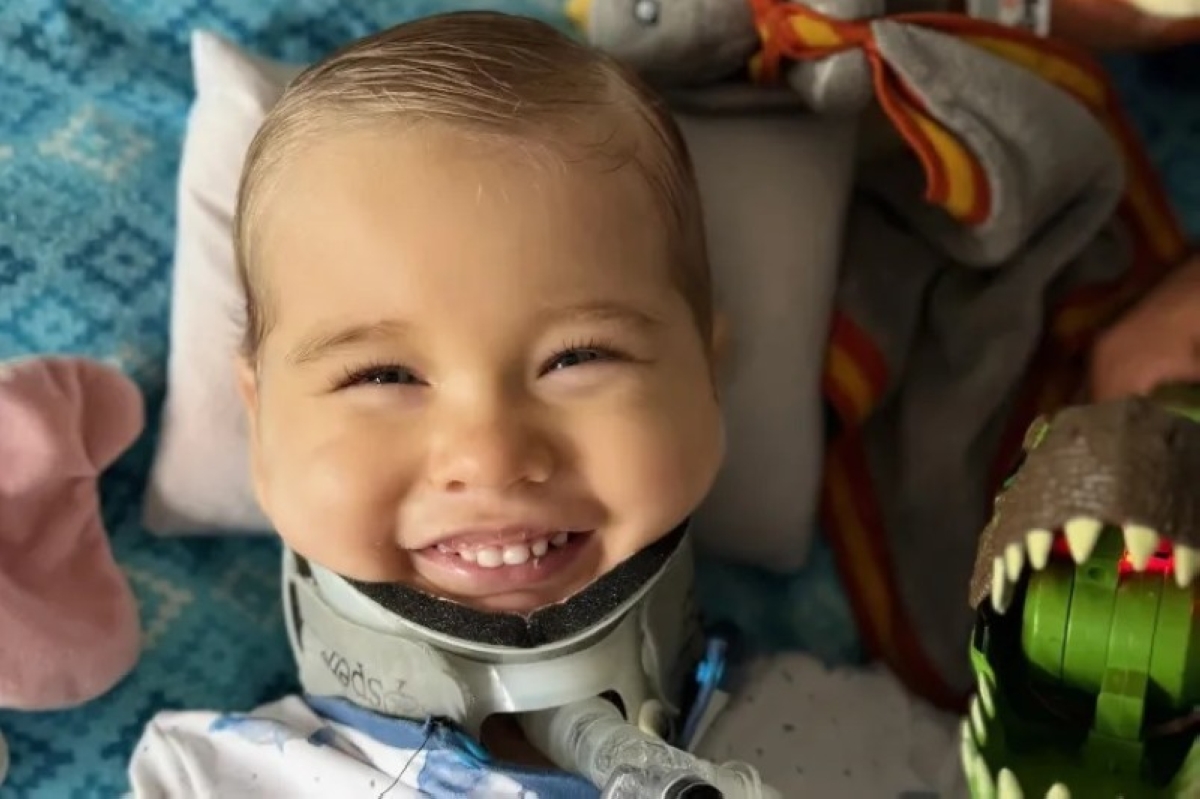
وبمرور الوقت، بدأت المؤشرات تتحسن ببطء، إذ بدأ الطفل يستجيب تدريجياً للمحفزات العصبية، ثم بدأ بتحريك أطرافه. وبعد أسابيع من المراقبة الدقيقة والعلاج الفيزيائي، ظهرت أول ابتسامة على وجه أوليفر، لتكون بداية عودته إلى الحياة.
واختتم بيضون حديثه قائلاً: «بعد أشهر من إعادة التأهيل، أصبح أوليفر قادراً على المشي والكلام واللعب، وعاد تدريجياً إلى حياته الطبيعية. ما حدث مع أوليفر يذكّرنا أن الطب ليس مهنة فقط، بل التزام إنساني عميق، وأن الإصرار والإيمان يصنعان الفارق بين النهاية والبداية».
جامعة شيكاغو للطب أعلنت أن الحالة ستُدرج ضمن أبحاث طبية متخصصة حول إصابات العمود الفقري عند الأطفال، مؤكدة أن ما أنجزه بيضون وفريقه سيُسهم في تطوير بروتوكولات علاجية جديدة في هذا المجال.
In a medical achievement described as a "miracle" in American medical circles, a young Lebanese doctor has accomplished an unprecedented feat in Chicago, managing to save a child's life and reconnect his head to his body after a near-complete separation from the spinal cord, in a precise and difficult surgical operation considered one of the most complex and astonishing interventions in the history of neurosurgery.
The Lebanese doctor, Mohammad Baydoun, born in the United States and head of the neurosurgery department at the University of Chicago Medicine, along with his team, successfully reattached the head of a two-year-old child after his near-complete separation from the spinal cord, in one of the most complicated surgeries in modern medical history.
The story began when the American child, Oliver Stopp, only two years old, was on a trip with his family from the United States to Mexico. During the journey, a horrific car accident occurred, resulting in minor injuries to the parents, while the child suffered injuries described as fatal, experiencing a near-complete separation between the skull and the spinal cord, a very rare condition medically known as Atlanto-Occipital Dislocation, which is considered one of the most life-threatening injuries. In most cases, this type of separation leads to immediate death due to spinal cord rupture and severing of the nerve signals between the brain and the rest of the body. Even in the rare cases where the patient survives, complete paralysis or respiratory failure is an inevitable outcome.
The child was admitted to Comer Children's Hospital affiliated with the University of Chicago Medicine, and the Lebanese doctor was called in to follow up on the case as the head of the neurosurgery department and one of the leading specialists in brain and spinal cord surgeries in the United States.
Doctor Baydoun explained: "All indicators confirmed the impossibility of saving the child. The doctors who examined the case before transferring him to Chicago agreed that the chances of survival were zero, and that the best option was to turn off the life support machines and donate his organs. But I saw something else."
Baydoun continued: "I am a father of two children, and I felt that this child was one of them. In such moments, you don't think about the odds, but about the determination to give life one last chance. Medicine is not just a science; it is also a humanitarian message."
According to Baydoun, he decided to take on the challenge with this conviction, adding: "I began to form a multidisciplinary medical team that included neurosurgeons, orthopedic surgeons, and intensive care doctors, including two Lebanese doctors, and we devised a plan to save the child despite the difficult situation and the precision of the case."
He went on to say: "After meticulous preparations, neurological tests, and 3D imaging to determine the degree of separation, the child Oliver underwent two consecutive surgeries, each lasting several hours."
As Baydoun mentioned, the primary goal of the surgery was to reattach the skull to the spinal cord and relieve pressure on the sensitive nerves, using microscopic surgical tools and advanced techniques for internal fixation of the cervical vertebrae.
Baydoun explained the details of those critical moments, saying: "The challenges were immense; any uncalculated movement could lead to immediate death. We used precise techniques to stabilize the vertebrae while maintaining blood flow to the brain. It required an indescribable level of focus and complete cooperation among all team members."
After the first surgery, Baydoun noted that the child "remained in an induced coma in the intensive care unit. In the following days, he faced serious complications, including two cardiac arrests and repeated seizures, but the medical team and I refused to give up. We worked around the clock, monitoring every change in vital signs. The belief that we could save him was stronger than all the medical statistics that said otherwise."
Over time, the indicators began to improve slowly, as the child started to respond gradually to neurological stimuli and then began to move his limbs. After weeks of careful monitoring and physical therapy, the first smile appeared on Oliver's face, marking the beginning of his return to life.
Baydoun concluded his remarks by saying: "After months of rehabilitation, Oliver was able to walk, talk, and play, gradually returning to his normal life. What happened to Oliver reminds us that medicine is not just a profession, but a deep humanitarian commitment, and that determination and faith make the difference between an end and a beginning."
The University of Chicago Medicine announced that the case will be included in specialized medical research on spinal injuries in children, confirming that what Baydoun and his team accomplished will contribute to the development of new treatment protocols in this field.