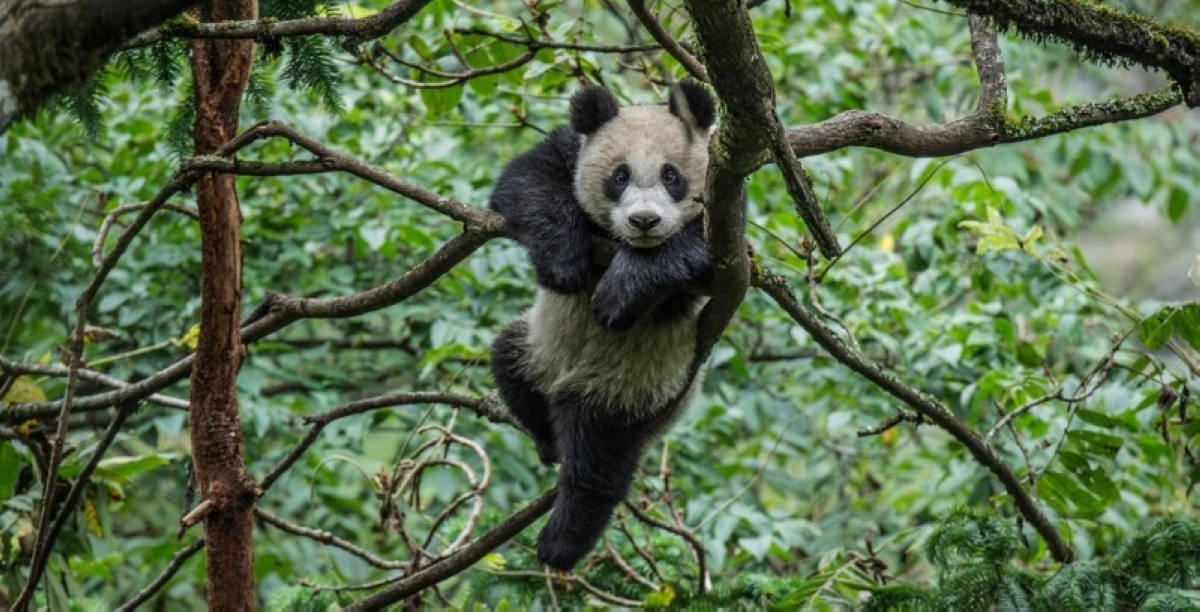
كشف فريق بحثي دولي عن أكبر تجمع لحفريات الباندا العملاقة يُعثر عليه حتى الآن، بعد توثيق 52 حفرية في كهف شوانغهي بمحافظة سوييانغ في مقاطعة قويتشو جنوب غربي الصين، وهو أطول كهف في آسيا وواحد من أعمق مختبرات العالم الطبيعية لدراسة الحياة القديمة تحت الأرض.
وجاء الإعلان خلال مؤتمر علمي عُقد في 24 أكتوبر لمناقشة نتائج البعثة الدولية الـ24 للكهوف، بمشاركة باحثين من الصين والولايات المتحدة وفرنسا ودول أوروبية، وأُعلن أن 6 حفريات جديدة جرى اكتشافها خلال أحدث أعمال المسح داخل الكهف.
سجل شبه متصل لتاريخ الباندا
الحفريات المكتشفة تضم عظاماً وجماجم تعود إلى عشرات الآلاف من السنين، ويُعتقد أن بعضها يصل عمره إلى نحو 100 ألف عام، ما يوفر توثيقاً زمنياً نادراً لتطور الباندا العملاقة وتفاعلها مع التغيرات المناخية خلال العصور الجليدية.
وقال وانغ ديوان، الباحث المساعد في معهد موارد الجبال: «عثرنا على حفريات عديدة لثدييات داخل الكهف، لكن حفريات الباندا العملاقة هي الأكثر أهمية من حيث العدد والحالة والحفظ».
كهف بطول مدينة.. وأنهار تحت الأرض
يمتد كهف شوانغهي بطول 439.7 كيلومتر عبر تكوينات كلسية شاسعة تحتوي على أنهار باطنية وشلالات وغرف متصلة تعود إلى ملايين السنين، ما جعله وجهة رئيسية لمشاريع الجيولوجيا والأحياء التطورية.
ورغم تسجيل مواقع سابقة لحفريات الباندا، خصوصاً في 2021 و2024، فإن العدد الإجمالي المسجل في شوانغهي حتى الآن يتفوق على أي موقع آخر معروف عالمياً.
أهمية بحثية تتجاوز الجانب التاريخي
وفق فريق البعثة، يساعد هذا الكشف في تتبع تكيف الباندا مع تغير مصادر الغذاء والموائل الطبيعية، وفهم أسباب تراجع أعدادها خلال فترات باردة قاسية، ودعم برامج الحماية الحالية للباندا المهددة بالانقراض. وبحسب تقارير علمية حديثة، لا يزال عدد الباندا البرية أقل من 2000 باندا، ما يجعل المعلومات التطورية المستخلصة من هذه الحفريات ذات صلة مباشرة بجهود الحفاظ.
ونُقلت العينات المكتشفة إلى معامل البحث في غوييانغ لإخضاعها لتحاليل تفصيلية تشمل تحديد العمر الجيولوجي عبر النظائر المشعة، ودراسة الخصائص التشريحية التي قد توضح كيف تمكّن هذا النوع من تفادي الانقراض مقارنةً بأنواع أخرى لم تتمكن من الصمود.
اهتمام دولي متزايد بالموقع
أبدت جهات بحثية ومنظمات دولية، من بينها «اليونسكو»، اهتماماً بنتائج البعثة، خصوصاً أن الكهف يقع ضمن منطقة تتميز بتنوع بيولوجي فريد يُعد موطناً تاريخياً للباندا. ويؤكد باحثون مشاركون أن البيانات الجديدة قد تسهم في إعادة تقييم تطور الباندا وعلاقاتها البيئية، ما قد ينعكس على إستراتيجيات الحماية الحديثة.
أكبر مختبر طبيعي للباندا القديمة
منذ أواخر الثمانينات، استضاف «شوانغهي» 24 بعثة استكشافية دولية، توصلت إلى اكتشافات متعددة تخص الحيوانات الثديية وسكان المنطقة الأوائل، فيما تبقى حفريات الباندا العنصر الأبرز الذي يمنح علماء التطور نافذة استثنائية على تاريخ هذا الحيوان الفريد.
ومع استمرار تحليل المكتشفات، يتوقع الباحثون الإعلان عن نتائج إضافية في الفترة القادمة، قد تعيد رسم بعض الفصول الغامضة في رحلة الباندا عبر الأزمنة الجيولوجية وتكشف المزيد من أسرار بقائها.
An international research team has uncovered the largest collection of giant panda fossils ever found, documenting 52 fossils in the Shuanghe Cave in Suiyang County, Guizhou Province, southwestern China. This cave is the longest in Asia and one of the deepest natural laboratories in the world for studying ancient underground life.
The announcement was made during a scientific conference held on October 24 to discuss the results of the 24th international cave expedition, with participation from researchers from China, the United States, France, and European countries. It was announced that six new fossils were discovered during the latest survey work inside the cave.
A Semi-Continuous Record of Panda History
The discovered fossils include bones and skulls dating back tens of thousands of years, with some believed to be around 100,000 years old, providing a rare chronological documentation of the giant panda's evolution and its interaction with climate changes during the ice ages.
Wang Diwan, a research assistant at the Mountain Resources Institute, stated, “We found numerous mammal fossils inside the cave, but the giant panda fossils are the most significant in terms of number, condition, and preservation.”
A Cave the Length of a City... and Rivers Underground
Shuanghe Cave extends 439.7 kilometers through vast limestone formations containing underground rivers, waterfalls, and interconnected chambers that date back millions of years, making it a major destination for geology and evolutionary biology projects.
Despite previous recorded sites of panda fossils, particularly in 2021 and 2024, the total number recorded in Shuanghe so far surpasses any other known site globally.
Research Importance Beyond Historical Aspects
According to the expedition team, this discovery helps track the panda's adaptation to changes in food sources and natural habitats, understand the reasons for its population decline during harsh cold periods, and support current conservation programs for the endangered panda. According to recent scientific reports, the number of wild pandas remains below 2,000, making the evolutionary information derived from these fossils directly relevant to conservation efforts.
The discovered samples have been transported to research laboratories in Guiyang for detailed analyses, including geological age determination through radioactive isotopes and studying anatomical features that may clarify how this species managed to avoid extinction compared to other species that could not survive.
Growing International Interest in the Site
Research entities and international organizations, including UNESCO, have shown interest in the expedition's results, especially since the cave is located in an area characterized by unique biological diversity that serves as a historical habitat for pandas. Participating researchers affirm that the new data may contribute to reevaluating panda evolution and its environmental relationships, which could reflect on modern conservation strategies.
The Largest Natural Laboratory for Ancient Pandas
Since the late 1980s, Shuanghe has hosted 24 international exploratory missions, leading to multiple discoveries concerning mammalian animals and the region's early inhabitants, while the panda fossils remain the most prominent element that provides evolutionary scientists with an exceptional window into the history of this unique animal.
As the analysis of the findings continues, researchers expect to announce additional results in the coming period, which may redraw some of the mysterious chapters in the panda's journey through geological times and reveal more secrets of its survival.