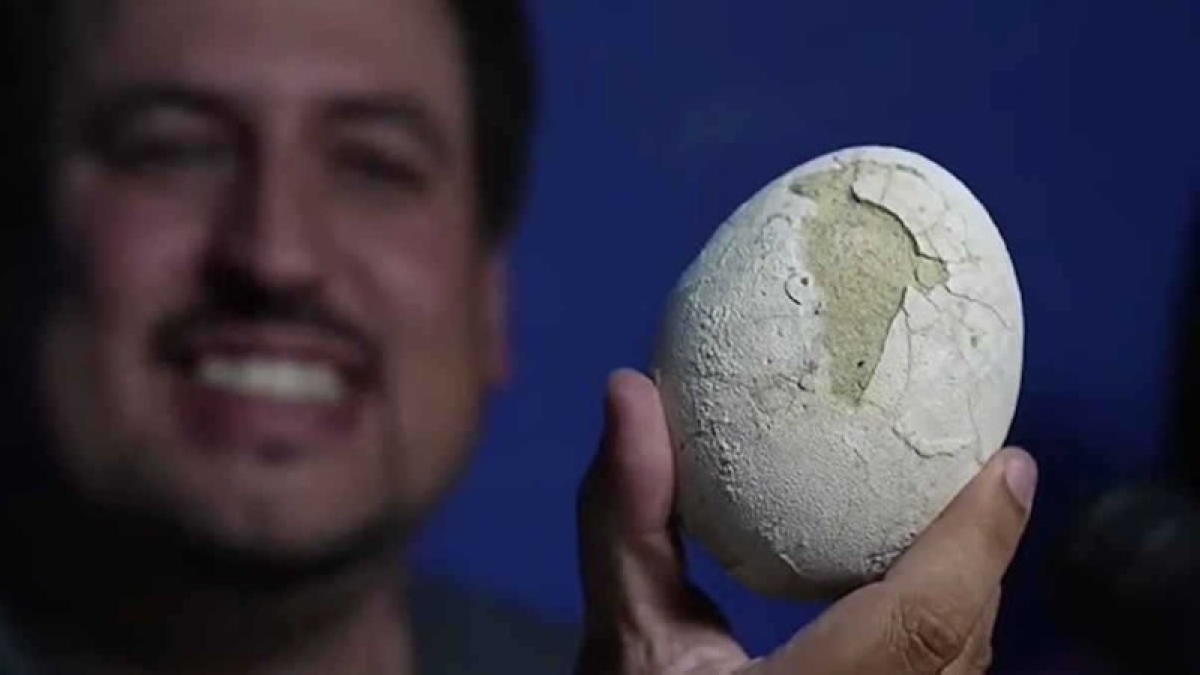
في مفاجأة مذهلة، أعلن باحثون في الأرجنتين العثور على بيضة ديناصور متحجرة عمرها 70 مليون عام!
البيضة اكتُشفت في منطقة ريو نيغرو بإقليم باتاغونيا، وكانت في حالة حفظ مدهشة لدرجة أن العلماء قالوا إنها «تكاد تبدو كما لو وُضعت بالأمس».
الخبر الذي نشرته صحيفة ديلي ميل أعاد إشعال خيال العلماء وعشّاق التاريخ الطبيعي حول كيف كانت الحياة في عصر الديناصورات العملاق.
بقايا جنين متحجر
ويرجّح العلماء أن البيضة تعود إلى نوع يُعرف باسم «بونابارتينيكوس» (Bonapartenykus)، وهو ديناصور صغير لاحم عاش في أواخر العصر الطباشيري، وكان يُعتبر من أقرب أسلاف الطيور الحديثة.
ويقول غونزالو مونيوز، الباحث في متحف العلوم الطبيعية الأرجنتيني، إن العثور على أحافير ديناصورات أمر معتاد نسبياً، «لكن العثور على بيضة محفوظة بهذه الدقة هو أمر استثنائي بكل المقاييس»، مضيفاً أن الفريق لم يستبعد احتمال احتوائها على بقايا جنين متحجر، إذ سيتم إخضاعها لفحوص دقيقة بالأشعة المتقدمة لتأكيد ذلك.
وأظهرت الصور الميدانية لحظة اكتشاف القائد الميداني فيديريكو أنولين للبيضة وهي مستقرة على سطح الأرض المغبر، في مشهد أثار حماس الفريق العلمي الذي وصف الاكتشاف بأنه «واحد من أهم الاكتشافات في تاريخ علم الحفريات في أمريكا الجنوبية».
قشر بيض رقيق وهش
ويشير العلماء إلى أن بيض الديناصورات اللاحمة نادر للغاية؛ لأن أعدادها كانت أقل من الديناصورات العاشبة، ولأن قشر بيضها كان رقيقاً وهشاً، ما يجعل حفظه عبر ملايين السنين أمراً شبه مستحيل.
وإضافة إلى البيضة، تم العثور في الموقع ذاته على أسنان ثدييات وفقاريات أفاعٍ متحجرة، ما يرجّح أن المنطقة كانت في الماضي موقعاً للتعشيش والتكاثر.
ويأمل العلماء أن يكشف هذا الاكتشاف تفاصيل جديدة حول طريقة تكاثر الديناصورات وتطورها، لاسيما إذا تبيّن أن البيضة تحتوي على بقايا جنين، وهو ما سيشكل اختراقاً علمياً كبيراً في فهم دورة حياة هذه الكائنات المنقرضة.
In a stunning surprise, researchers in Argentina announced the discovery of a 70-million-year-old fossilized dinosaur egg!
The egg was found in the Río Negro region of Patagonia and was in such remarkable condition that scientists said it "almost looks like it was laid yesterday."
The news, published by the Daily Mail, has reignited the imagination of scientists and natural history enthusiasts about what life was like during the age of giant dinosaurs.
Fossilized Embryo Remains
Scientists believe that the egg belongs to a species known as "Bonapartenykus," a small carnivorous dinosaur that lived in the late Cretaceous period and was considered one of the closest ancestors of modern birds.
Gonzalo Muñoz, a researcher at the Argentine Museum of Natural Sciences, states that finding dinosaur fossils is relatively common, "but finding an egg preserved with such precision is extraordinary by any measure," adding that the team has not ruled out the possibility of it containing fossilized embryo remains, as it will undergo detailed examinations using advanced imaging to confirm this.
Field images captured the moment field leader Federico Anulín discovered the egg resting on the dusty ground, in a scene that excited the scientific team, which described the discovery as "one of the most important finds in the history of paleontology in South America."
Thin and Fragile Eggshell
Scientists point out that carnivorous dinosaur eggs are extremely rare; because their numbers were fewer than herbivorous dinosaurs, and because their eggshells were thin and fragile, making preservation over millions of years nearly impossible.
In addition to the egg, mammal teeth and fossilized snake vertebrae were also found at the same site, suggesting that the area was once a nesting and breeding ground.
Scientists hope that this discovery will reveal new details about the reproductive and evolutionary processes of dinosaurs, especially if it turns out that the egg contains embryo remains, which would represent a significant scientific breakthrough in understanding the life cycle of these extinct creatures.