يعد اكتشاف مقبرة توت عنخ آمون في عام 1922 واحداً من أعظم الإنجازات الأثرية في القرن العشرين، لكن دراسة حديثة أجرتها جامعة القاهرة تُحذر من أن هذا الموقع التاريخي البالغ عمره 3300 عام يواجه خطر الانهيار بسبب تصدعات هيكلية وتدهور بيئي.
**media«2603877»**
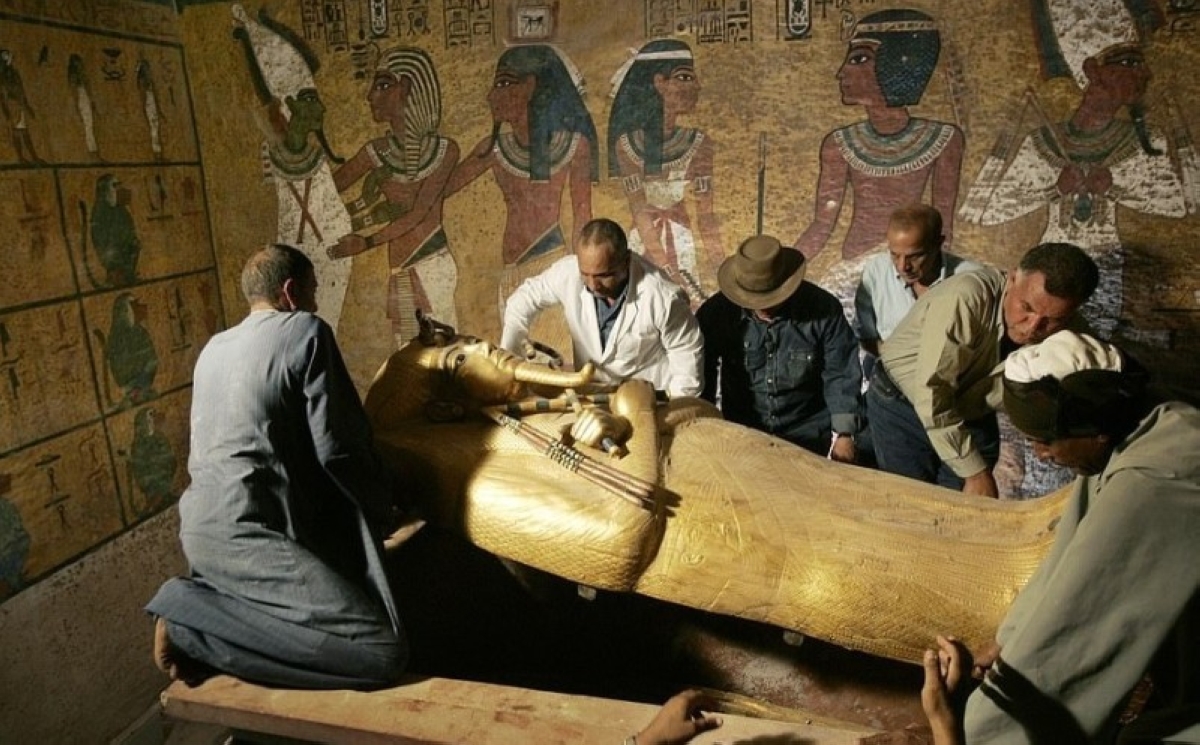
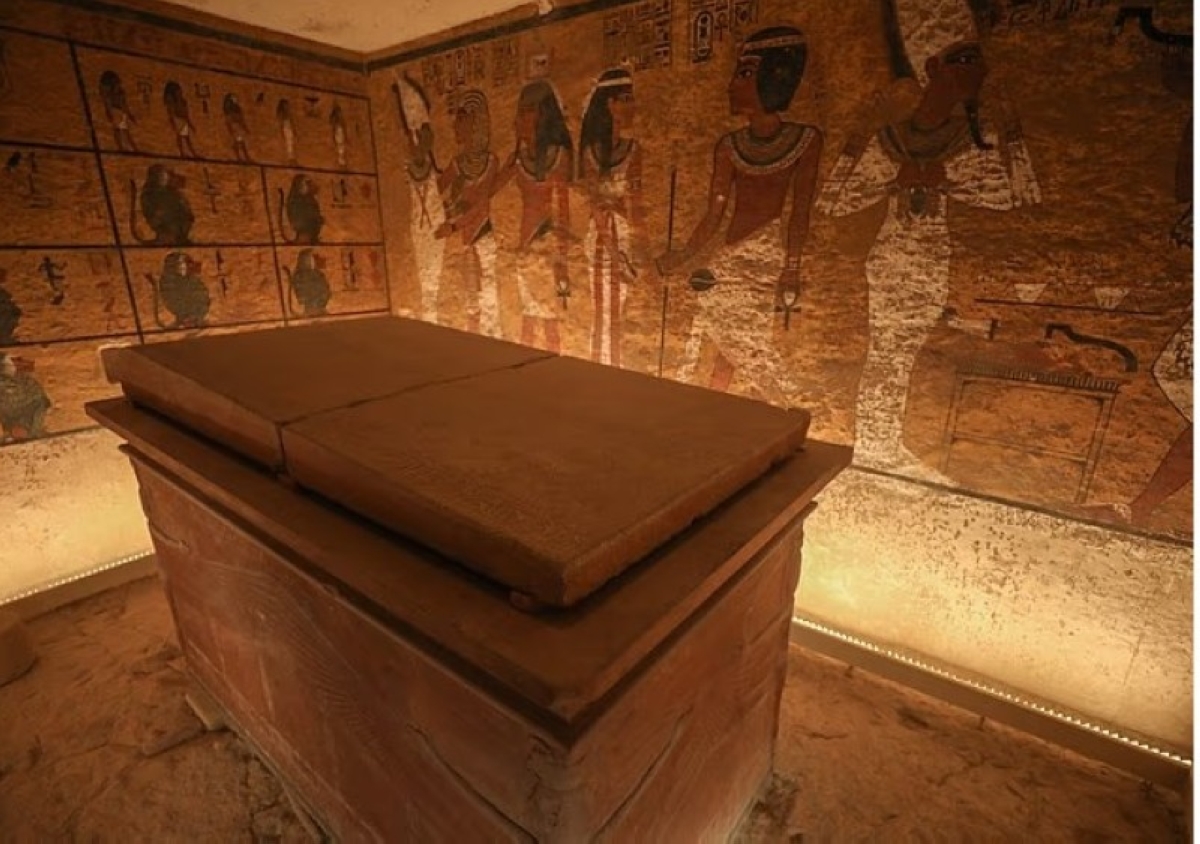
وكشفت الأبحاث ظهور شقوق كبيرة في صخور المقبرة، تهدد بتدميرها، إلى جانب ارتفاع مستويات الرطوبة التي تتسبب في تقشير الجداريات النفيسة ونمو الفطريات التي تؤدي إلى تآكلها.
**media«2603878»**
تصدعات وفيضانات
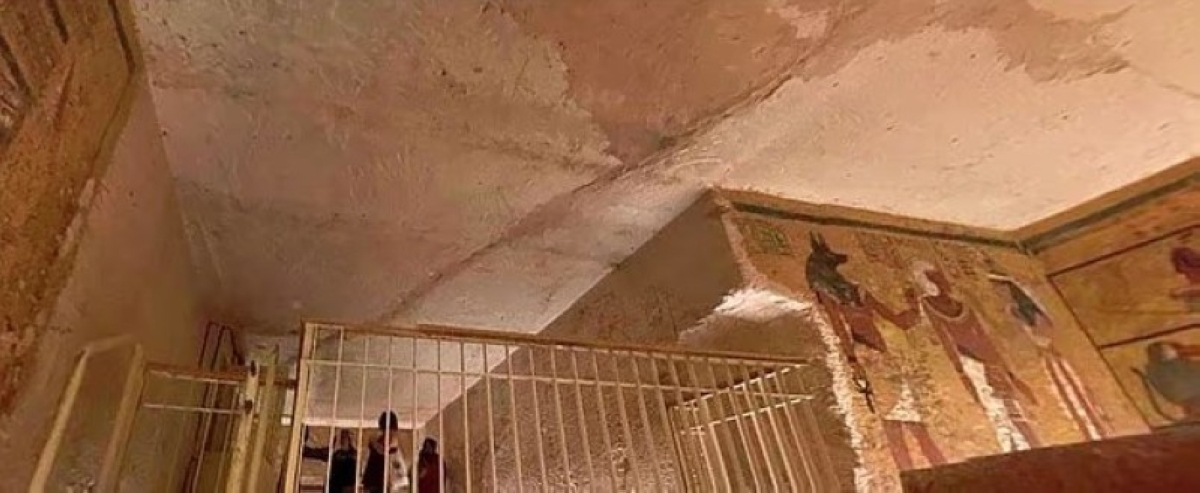
وأوضحت الدراسة التي أجراها أستاذ الحفاظ على التراث المعماري بجامعة القاهرة البروفيسور سيد حمادة أن شقاً رئيسياً يمتد عبر سقف مدخل المقبرة وغرفة الدفن، ما يسمح بتسرب مياه الأمطار من الأعلى.
هذه المياه تؤدي إلى تآكل التفاصيل المعقدة للجداريات وتُضعف استقرار المقبرة الهيكلي. وبما أن المقبرة مبنية من حجر الإسنا الطيني، الذي يتمدد وينكمش مع تغيرات الرطوبة، فإن الرطوبة المتزايدة تجعل الانهيار خطراً حقيقياً.
وأشار حمادة في تصريح إلى صحيفة «ديلي ميل» إلى أن «المقابر الملكية في وادي الملوك تحتاج إلى تدخل عاجل ودراسات علمية دقيقة لتحليل المخاطر ووضع خطط للحد منها».
وأضاف أن الضغط الشديد على الصخور الهشة قد يؤدي إلى ظاهرة «انفجار الصخور»، وهي انهيار مفاجئ للجدران قد يدمر الموقع.
**media«2603876»**
الفيضانات.. تهديد مستمر
وتقع مقبرة توت عنخ آمون في وادي الملوك غرب مدينة الأقصر، وهي إحدى أصغر المقابر في المنطقة، لكن موقعها العميق داخل الصخور يجعلها عرضة للفيضانات المفاجئة.
وشهدت المنطقة أسوأ فيضان في أكتوبر 1994، عندما غمرت المياه معظم المقابر الملكية، بما في ذلك مقبرة توت عنخ آمون، ما تسبب في فتح شقوق جديدة، ورفع مستويات الرطوبة، وتحفيز نمو الفطريات التي أضرت بالجداريات التاريخية. ويوضح «حمادة» أن هذا الفيضان كان نقطة تحول في سلامة المقبرة الهيكلية.
**media«2603875»**
التحديات الجيولوجية
كما يواجه وادي الملوك، الذي يضم العديد من المقابر الملكية، تحديات جيولوجية كبيرة بسبب طبيعة الصخور المحيطة.
وأشار أستاذ الحفاظ المعماري بكلية الآثار بجامعة القاهرة البروفيسور محمد عطية هواش، في تصريحات إلى صحيفة «إندبندنت عربية»، إلى أن الجبال المحيطة تعاني من شقوق واسعة قد تؤدي إلى انهيار كتل صخرية كبيرة على المقابر القريبة، وأضاف: «كارثة قد تحدث في أي لحظة، ويجب اتخاذ إجراءات عاجلة للحفاظ على وادي الملوك قبل فوات الأوان».
وعلى الرغم من تأكيد «حمادة» أن المقبرة «لن تنهار في المستقبل القريب»، إلا أن الأضرار الحالية تهدد استدامتها على المدى الطويل، كما يحذر الخبراء من أن فيضاناً آخر قد يؤدي إلى أضرار جسيمة إذا لم يتم اتخاذ إجراءات وقائية.
ومع ذلك، يُعرب الباحثون عن قلقهم من قلة التخطيط لمواجهة هذه المخاطر، ما يعرض هذا الموقع الأثري الفريد للخطر.
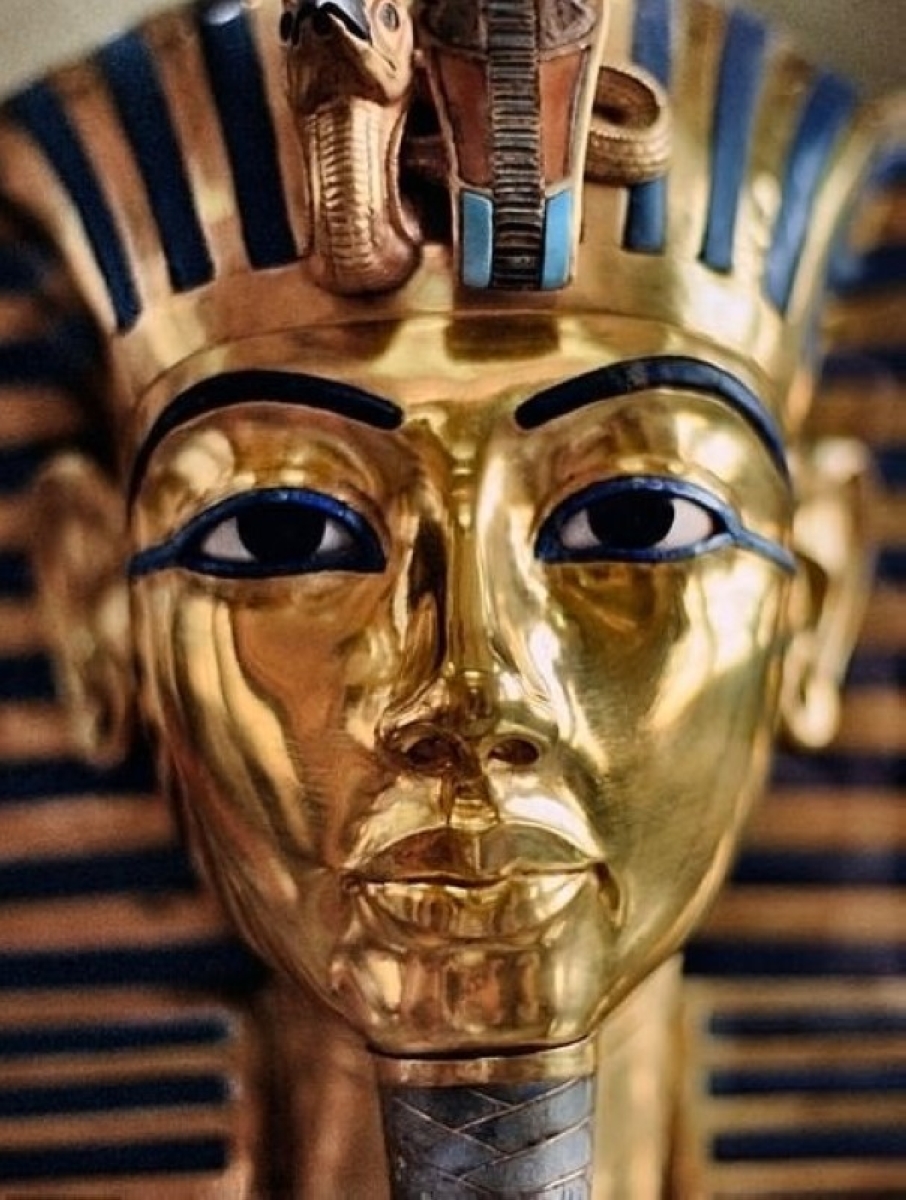
وتُعد مقبرة توت عنخ آمون، التي اكتُشفت عام 1922 بواسطة عالم الآثار هوارد كارتر، كنزاً أثرياً عالمياً بفضل محتوياتها الغنية، بما في ذلك القناع الذهبي الشهير والجداريات المزخرفة التي تصور حياة الفرعون الشاب.
ومع ذلك، فإن موقعها في وادي الملوك، الذي يتعرض لظروف مناخية قاسية، يجعلها عرضة للتدهور. وتشير الدراسات إلى أن التغيرات المناخية، بما في ذلك زيادة هطول الأمطار الغزيرة، قد تؤدي إلى تفاقم المشكلة.
دعوات للحفاظ على التراث
ويطالب الخبراء بتدخل دولي وعاجل لحماية المقبرة، بما يشمل تعزيز هيكلها، وتحسين أنظمة تصريف المياه، واستخدام تقنيات حديثة للحد من نمو الفطريات، كما يدعون إلى إجراء دراسات جيولوجية شاملة لتقييم استقرار المنطقة المحيطة ومنع الكوارث المستقبلية.
The discovery of Tutankhamun's tomb in 1922 is considered one of the greatest archaeological achievements of the twentieth century, but a recent study conducted by Cairo University warns that this 3,300-year-old historical site is facing the risk of collapse due to structural cracks and environmental degradation.
**media«2603877»**
The research revealed the emergence of large cracks in the tomb's rocks, threatening its destruction, alongside rising humidity levels that cause the peeling of precious murals and the growth of fungi that lead to their erosion.
**media«2603878»**
Cracks and Floods
The study conducted by Professor Said Hamada, a heritage conservation expert at Cairo University, indicated that a major crack extends across the ceiling of the tomb's entrance and burial chamber, allowing rainwater to seep in from above.
This water leads to the erosion of the intricate details of the murals and weakens the structural stability of the tomb. Since the tomb is built from Esna limestone, which expands and contracts with changes in humidity, the increasing moisture makes collapse a real danger.
Hamada stated in a comment to the "Daily Mail" that "the royal tombs in the Valley of the Kings need urgent intervention and precise scientific studies to analyze the risks and develop plans to mitigate them."
He added that the intense pressure on the fragile rocks could lead to a phenomenon known as "rock burst," which is a sudden collapse of the walls that could destroy the site.
**media«2603876»**
Floods: A Constant Threat
Tutankhamun's tomb is located in the Valley of the Kings west of Luxor, and it is one of the smallest tombs in the area, but its deep location within the rocks makes it susceptible to sudden floods.
The area experienced its worst flood in October 1994, when water inundated most of the royal tombs, including Tutankhamun's tomb, causing new cracks to open, raising humidity levels, and promoting the growth of fungi that harmed the historical murals. Hamada explains that this flood was a turning point in the structural integrity of the tomb.
**media«2603875»**
Geological Challenges
The Valley of the Kings, which contains many royal tombs, also faces significant geological challenges due to the nature of the surrounding rocks.
Professor Mohamed Attia Hawash, an architectural conservation expert at the Faculty of Archaeology at Cairo University, stated in comments to "Independent Arabia" that the surrounding mountains suffer from wide cracks that could lead to the collapse of large rock masses onto nearby tombs, adding: "A disaster could happen at any moment, and urgent measures must be taken to preserve the Valley of the Kings before it is too late."
Although Hamada confirmed that the tomb "will not collapse in the near future," the current damage threatens its long-term sustainability, and experts warn that another flood could cause severe damage if preventive measures are not taken.
However, researchers express their concern over the lack of planning to address these risks, putting this unique archaeological site in jeopardy.
Tutankhamun's tomb, discovered in 1922 by archaeologist Howard Carter, is a global archaeological treasure due to its rich contents, including the famous golden mask and the ornate murals depicting the life of the young pharaoh.
However, its location in the Valley of the Kings, which is exposed to harsh climatic conditions, makes it prone to deterioration. Studies indicate that climate change, including increased heavy rainfall, may exacerbate the problem.
Calls for Heritage Preservation
Experts are calling for urgent international intervention to protect the tomb, including reinforcing its structure, improving drainage systems, and using modern techniques to limit fungal growth. They also advocate for comprehensive geological studies to assess the stability of the surrounding area and prevent future disasters.