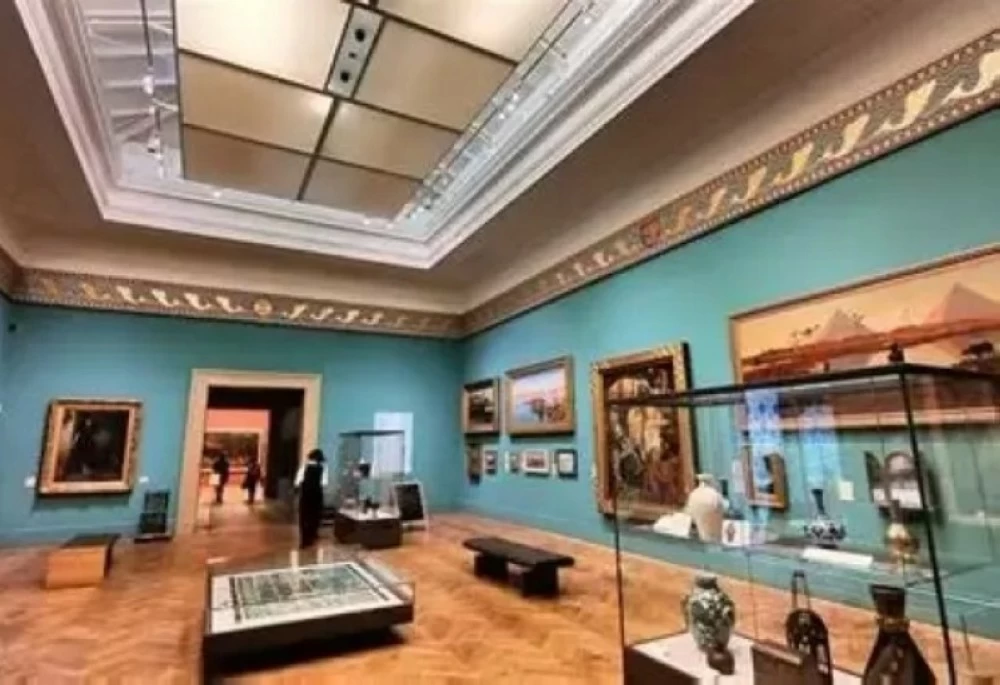
في خطوة ثقافية لافتة تعيد فتح ملفات التاريخ المسكوت عنها، افتتح متحف مانشستر في شمال غرب إنجلترا معرضاً واسعاً يضم آلاف القطع الأثرية الأفريقية، في محاولة جادة لإعادة طرح الأسئلة الشائكة حول مصير التراث المنهوب خلال الحقبة الاستعمارية.
ويحتوي المتحف على أكثر من 40 ألف قطعة أفريقية كان معظمها محفوظاً في المخازن بعد الحصول عليها خلال عصر الإمبراطورية البريطانية من خلال التجارة ودراسات الأنثروبولوجيا (علم الإنسان) والمصادرة والنهب.
وقالت سيلفيا مجبياهوريكي، مشاركة في إقامة المعرض، إن هذه الآثار «بعضها أُهدي وبعضها سُرق وبعضها أُخذ عنوة عبر الغزو»، معتبرة أنه من المهم أن يتم البدء في جمعها معاً مرة أخرى.
ويستكشف المعرض، الذي ينظم بعنوان نبض أفريقيا (أفريقيا هاب)، إمكانية إعادة القطع الأثرية إلى مجتمعاتها الأصلية، أو مشاركتها والاحتفاء بها بطرق جديدة في مانشستر.
وطلب المتحف من الجمهور التواصل معه إذا تعرفوا على أي من القطع الأثرية، منوهاً بأن قطعاً أثرية، منها آلات موسيقية ومقاعد وتماثيل منحوتة، دخلت إلى مجموعة المتحف من خلال تبرعات أو مشتريات أو نقل بين المؤسسات، وغالباً ما كانت بمعلومات قليلة لا تتجاوز المتبرع أو المؤسسة التي جرى الحصول عليها منها.
وأوضح أنه «نادراً ما تخبر سجلات المتحف بشأن من صنع هذه القطع، أو تاريخ صنعها أو اسمها الأصلي أو هوية مالكها أو كيفية استخدامها سابقاً ومدى أهميتها للناس».
وقد بُذلت بعض جهود الاسترداد في أوروبا وأماكن أخرى، إلا أن الكثير من القطع الأثرية والرفات البشرية من أفريقيا ومناطق أخرى لا تزال محفوظة في الكثير من المؤسسات.
وتتزايد الدعوات حول أنحاء العالم لإعادة القطع الأثرية المنهوبة التي تعرضها متاحف ودور ثقافة في مؤسسات غربية.
In a notable cultural step that reopens the files of unspoken history, the Manchester Museum in the northwest of England has launched a wide-ranging exhibition featuring thousands of African artifacts, in a serious attempt to raise the thorny questions about the fate of the looted heritage during the colonial era.
The museum houses over 40,000 African pieces, most of which had been stored away after being acquired during the era of the British Empire through trade, anthropology studies, confiscation, and looting.
Sylvia Mjabihauriki, a participant in organizing the exhibition, stated that these artifacts "some were gifted, some were stolen, and some were taken by force through invasion," considering it important to start gathering them together again.
The exhibition, organized under the title "Pulse of Africa" (Africa Hab), explores the possibility of returning the artifacts to their original communities or sharing and celebrating them in new ways in Manchester.
The museum has asked the public to contact it if they recognize any of the artifacts, noting that some items, including musical instruments, benches, and carved statues, entered the museum's collection through donations, purchases, or transfers between institutions, often with little information beyond the donor or the institution from which they were obtained.
It clarified that "museum records rarely tell who made these pieces, their date of creation, their original name, or the identity of their owner, or how they were used in the past and their significance to people."
Some recovery efforts have been made in Europe and elsewhere, yet many artifacts and human remains from Africa and other regions remain preserved in numerous institutions.
Calls are increasing around the world for the return of looted artifacts displayed in museums and cultural institutions in Western establishments.