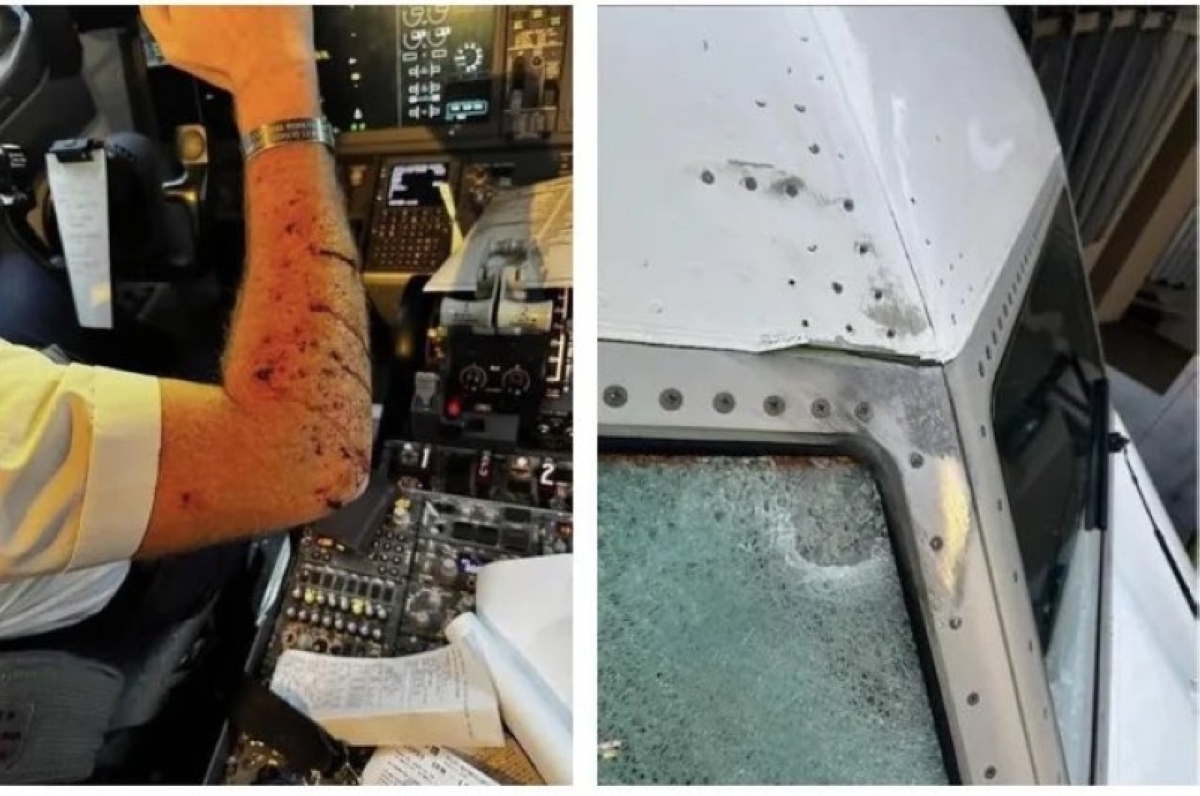
في واقعة نادرة تُقدّر نسبة حدوثها بـ«واحد في التريليون»، أُجبرت رحلة تابعة لشركة «يونايتد إيرلاينز» على الهبوط الاضطراري بعد أن اخترق جسم غامض زجاج قمرة القيادة أثناء التحليق على ارتفاع 36,000 قدم.
الطائرة من طراز بوينغ 737 MAX 9 كانت في طريقها من دنفر إلى لوس أنجلوس حينما تعرّضت للحادثة يوم الخميس الماضي، ما أسفر عن إصابة الطيّار بجروح طفيفة في ذراعه بسبب تطاير الزجاج، في حين لم يُصب أيّ من الركاب الـ130 بأذى.
شركة «يونايتد إيرلاينز» أكّدت في بيان أنّ الطائرة حطّت بسلام في سولت لايك سيتي لمعالجة الضرر الذي طال الزجاج متعدّد الطبقات، موضحةً أنّه تمّ تأمين طائرة بديلة لنقل الركّاب إلى وجهتهم لاحقاً في اليوم نفسه، فيما يواصل فريق الصيانة إصلاح الأضرار.
وبما أنّ الارتفاع الذي وقعت فيه الحادثة يتجاوز بكثير مدى الطيور أو حبات البَرَد، وُجّهت الشكوك نحو الحطام الفضائي، مثل شظايا الأقمار الصناعية القديمة أو النيازك الصغيرة التي تخترق الغلاف الجوي.
الهيئة الوطنية لسلامة النقل الأمريكية (NTSB) أعلنت فتح تحقيق في الحادث، مشيرةً إلى أنّها تجمع بيانات الرادار والطقس ومسجّلات الرحلة، وأنّ الزجاج المتضرّر أُرسل إلى مختبراتها للفحص.
وأفادت مصادر لمجلة AVBrief بأنّ أحد الاحتمالات هو اصطدام الطائرة بحزمة بيانات عائدة لبالون طقس.
وقدّر تقرير صادر عن إدارة الطيران الفيدرالية (FAA) عام 2023 احتمال تضرّر طائرة بفعل حطام فضائي بنسبة «واحد في التريليون»، متوقّعاً أن يصل عدد الأجسام الخطرة التي تنجو من الاحتراق أثناء دخولها الغلاف الجوي إلى 28,000 قطعة سنوياً بحلول 2035.
كما أشار الفلكي جوناثان ماكدويل إلى أنّ نحو أربعة أقمار صناعية من شبكة «ستارلينك» التابعة لإيلون ماسك تسقط يومياً نحو الأرض، رغم تأكيد شركة «سبيس إكس» أنّ أقمارها تحترق بالكامل عند عودتها ولا تخلّف أيّ حطام.
In a rare incident estimated to occur at a rate of "one in a trillion," a United Airlines flight was forced to make an emergency landing after a mysterious object penetrated the cockpit glass while flying at an altitude of 36,000 feet.
The Boeing 737 MAX 9 was en route from Denver to Los Angeles when it experienced the incident last Thursday, resulting in minor injuries to the pilot's arm from flying glass, while none of the 130 passengers were harmed.
United Airlines confirmed in a statement that the aircraft landed safely in Salt Lake City to address the damage to the multi-layered glass, explaining that a replacement aircraft was secured to transport the passengers to their destination later that same day, while the maintenance team continues to repair the damages.
Since the altitude at which the incident occurred far exceeds the range of birds or hailstones, suspicions were directed towards space debris, such as fragments of old satellites or small meteoroids entering the atmosphere.
The National Transportation Safety Board (NTSB) announced the opening of an investigation into the incident, noting that it is collecting radar and weather data as well as flight records, and that the damaged glass has been sent to its laboratories for examination.
Sources told AVBrief magazine that one possibility is that the aircraft collided with a data packet from a weather balloon.
A report issued by the Federal Aviation Administration (FAA) in 2023 estimated the likelihood of an aircraft being damaged by space debris at "one in a trillion," predicting that the number of hazardous objects surviving re-entry into the atmosphere will reach 28,000 pieces annually by 2035.
Astronomer Jonathan McDowell also pointed out that about four satellites from Elon Musk's Starlink network fall towards Earth daily, although SpaceX has confirmed that its satellites burn up completely upon re-entry and leave no debris.