أعلنت وزارة الثقافة الإيطالية اليوم، عن خطة طموحة لدمج تقنيات الذكاء الاصطناعي وتحليلات البيانات الضخمة في أنظمة الأمن لأكثر من 50 متحفاً رئيسياً في البلاد، وذلك في رد سريع وغير مسبوق على الصدمة التي أحدثتها سرقة جواهر التاج الفرنسي من متحف اللوفر في باريس الأحد الماضي.
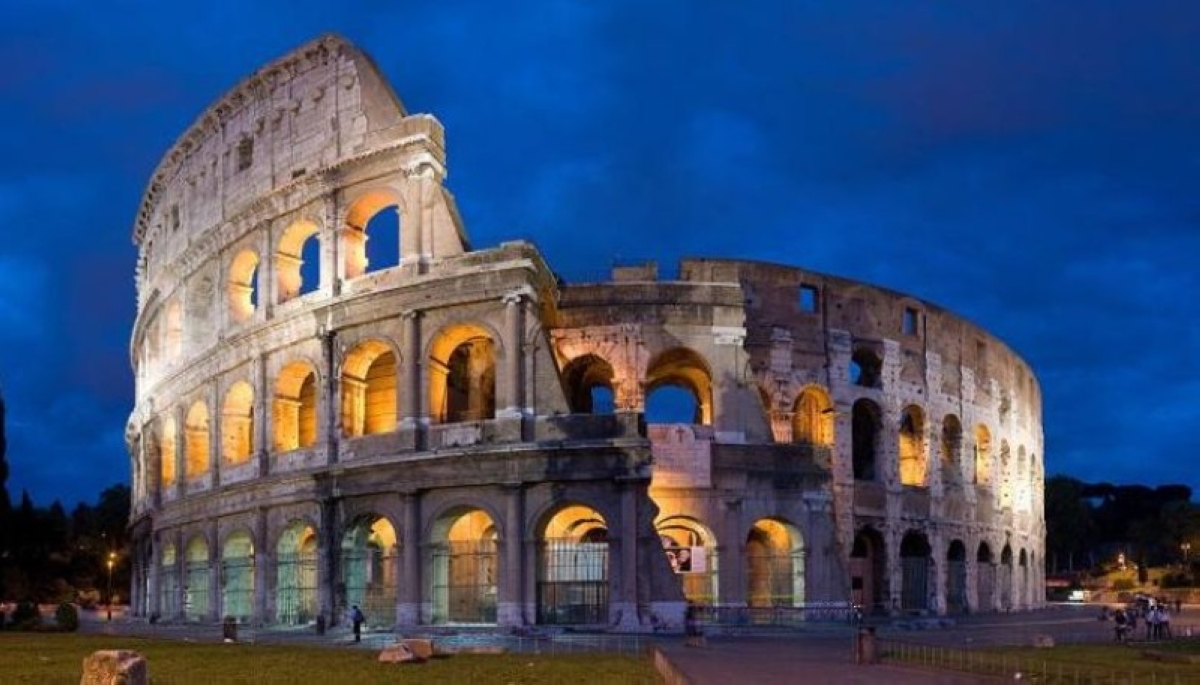
وتهدف الخطة الإيطالية التي سميت «حارس التراث الرقمي» إلى تعزيز الحماية الوقائية للقطع الأثرية الإيطالية الثمينة، مثل لوحات مايكل أنجلو في متحف الفاتيكان أو تماثيل الرومان في متحف الكابيتول، من خلال كشف السلوكيات المشبوهة قبل وقوع أي تهديد.
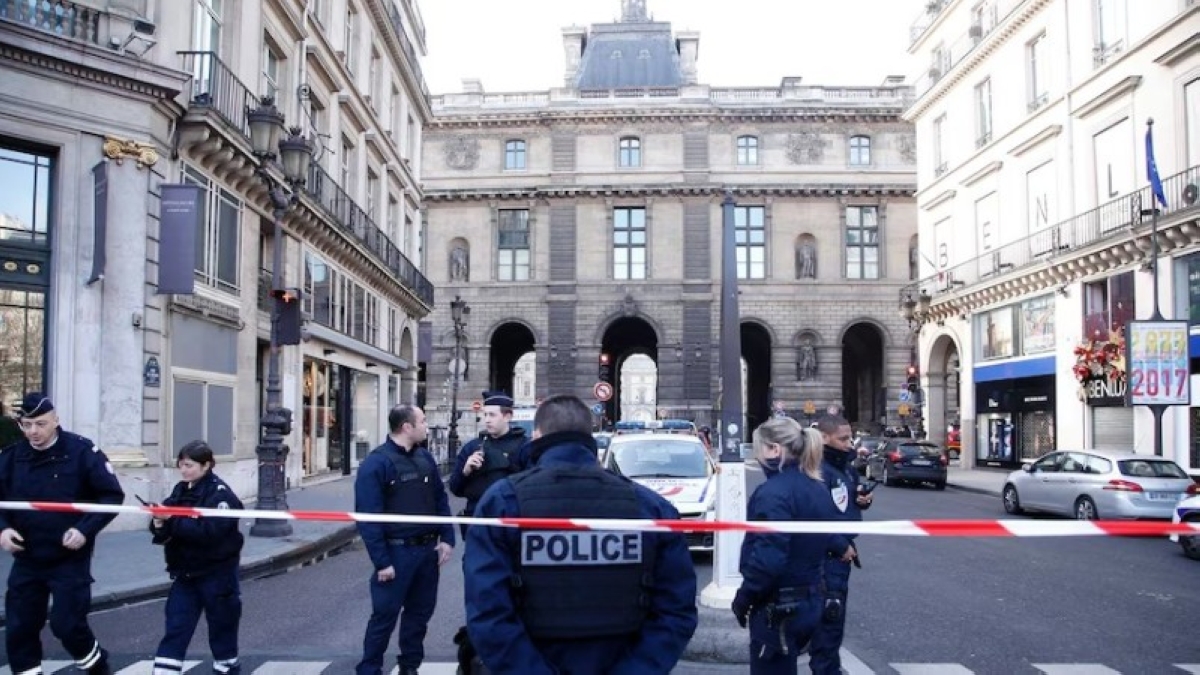
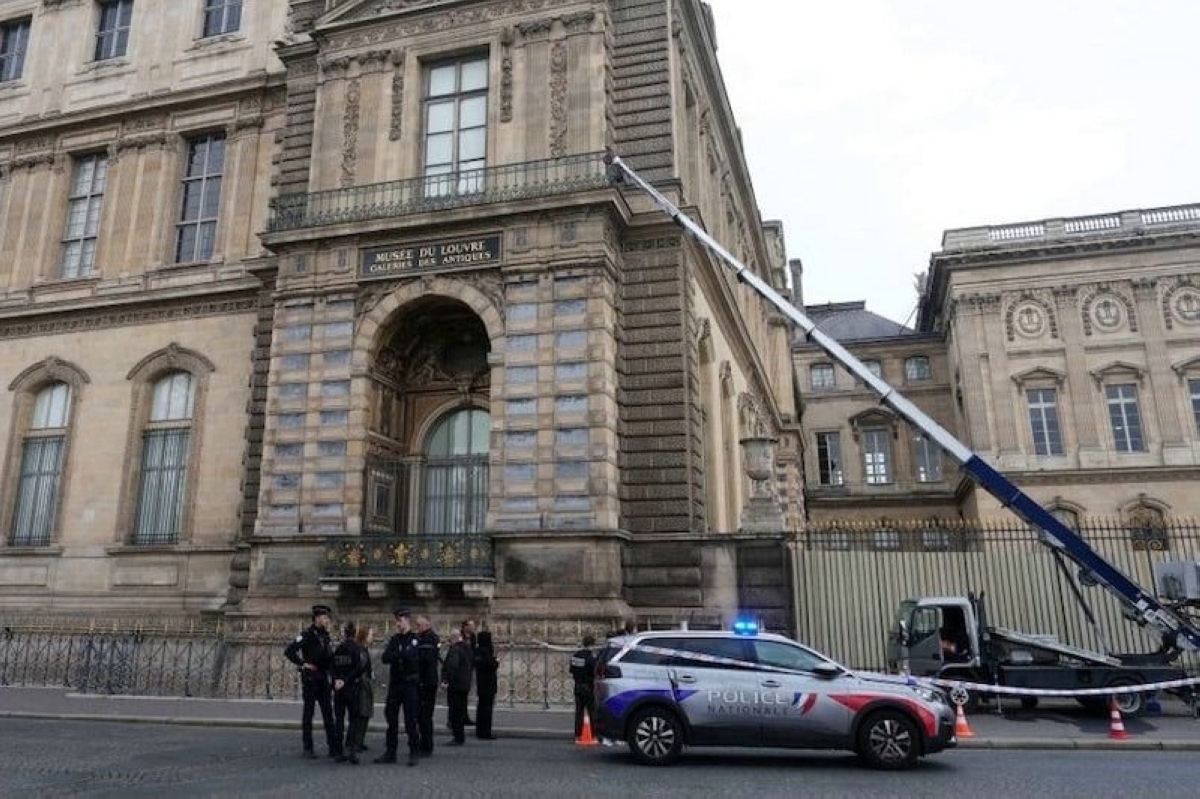
وجاء الإعلان مباشرة بعد الحادثة التي هزت العالم في 19 أكتوبر، حيث نجحت عصابة من أربعة لصوص متنكرين كعمال بناء في اقتحام متحف اللوفر خلال ساعات الافتتاح، مستخدمين رافعة ميكانيكية للوصول إلى الشرفة الثانية، حيث قاموا بقطع نافذة زجاجية باستخدام أدوات كهربائية وسرقة ثماني قطع من جواهر التاج الفرنسي النابليونية، بما في ذلك عقد زمردي مليء بالألماس وتاج الإمبراطورة أوجيني.
واستغرقت العملية سبع دقائق فقط، قبل أن يفر اللصوص على دراجات نارية، تاركين وراءهم أدواتهم ومحاولة إحراق شاحنتهم، في حين أغلق اللوفر أبوابه ليومين كاملين، وأطلقت السلطات الفرنسية تحقيقاً في «سرقة منظمة» بقيمة غير قابلة للتقدير، ما أثار انتقادات حادة لنقص الاستثمار في الأمن، حيث انخفض عدد حراس اللوفر إلى 856 في 2023 من 994 في 2014، رغم زيادة الزوار إلى 8.7 مليون سنوياً.
وأكد وزير الثقافة الإيطالي جنارو سانجيليمني في مؤتمر صحفي: «سرقة اللوفر ليست مجرد حادثة فرنسية؛ إنها إنذار عالمي لكل من يحرس تاريخ البشرية» مؤكدا أن إيطاليا، موطن أكثر من 60 ألف موقع تراثي، لن تنتظر حتى يتكرر الكابوس وأنها سوف تستخدم الذكاء الاصطناعي ليكون «عيوننا وآذاننا»، محولين المتاحف إلى حصون ذكية.
وستمول الخطة التي أعلنت عنها السلطات الإيطالية بـ 150 مليون يورو من ميزانية الاتحاد الأوروبي وصندوق التعافي الوطني، ستشمل تركيب كاميرات ذكية مدعومة بـ AI في متاحف مثل أوفيزي في فلورنسا والبومبي في نابولي، قادرة على تحليل حركة الزوار في الوقت الفعلي عبر Big Data للكشف عن أنماط غير طبيعية، مثل الاقتراب المفرط من العروض أو التنكر كعمال.
ويُعد التراث الثقافي الإيطالي أحد أعظم الكنوز العالمية، مع أكثر من 7 ملايين قطعة أثرية محفوظة في متاحف ومواقع أثرية، تجذب 60 مليون سائح سنوياً وتساهم بنسبة 13% من الناتج المحلي الإجمالي.
ومع ذلك، يواجه هذا التراث تهديدات متزايدة وسرقات متكررة، مثل سرقة لوحة «ولادة فينوس» من متحف أوفيزي في 2019 (استُعيدَت لاحقاً)، أو تآكل بيئي في مواقع مثل البومبي بسبب السياحة المفرطة. وفي السنوات الأخيرة، شهدت إيطاليا موجة من السرقات المنظمة، حيث سُرقت قطع بقيمة 500 مليون يورو بين 2020 و2024، وفقاً لتقارير اليونسكو.
The Italian Ministry of Culture announced today an ambitious plan to integrate artificial intelligence technologies and big data analytics into the security systems of more than 50 major museums in the country, in a swift and unprecedented response to the shock caused by the theft of the French crown jewels from the Louvre Museum in Paris last Sunday.
The Italian plan, named "Digital Heritage Guardian," aims to enhance the preventive protection of valuable Italian artifacts, such as Michelangelo's paintings in the Vatican Museum or Roman statues in the Capitoline Museum, by detecting suspicious behaviors before any threat occurs.
The announcement came immediately after the incident that shook the world on October 19, where a gang of four thieves disguised as construction workers managed to break into the Louvre during opening hours, using a mechanical lift to reach the second balcony, where they cut a glass window using power tools and stole eight pieces of the Napoleonic French crown jewels, including an emerald necklace filled with diamonds and the crown of Empress Eugénie.
The operation took only seven minutes before the thieves fled on motorcycles, leaving behind their tools and attempting to set their truck on fire, while the Louvre closed its doors for two full days. French authorities launched an investigation into the "organized theft" of an indeterminate value, which sparked sharp criticism over the lack of investment in security, as the number of Louvre guards decreased to 856 in 2023 from 994 in 2014, despite an increase in visitors to 8.7 million annually.
Italian Culture Minister Gennaro Sangiuliano confirmed at a press conference: "The Louvre theft is not just a French incident; it is a global alarm for all who guard the history of humanity," emphasizing that Italy, home to more than 60,000 heritage sites, will not wait for the nightmare to repeat and that it will use artificial intelligence to be "our eyes and ears," turning museums into smart fortresses.
The plan announced by the Italian authorities will be funded with 150 million euros from the EU budget and the national recovery fund and will include the installation of smart cameras supported by AI in museums such as the Uffizi in Florence and Pompeii in Naples, capable of analyzing visitor movements in real-time through Big Data to detect abnormal patterns, such as excessive proximity to exhibits or disguising as workers.
Italian cultural heritage is considered one of the greatest global treasures, with over 7 million artifacts preserved in museums and archaeological sites, attracting 60 million tourists annually and contributing 13% to the GDP.
However, this heritage faces increasing threats and recurring thefts, such as the theft of the painting "The Birth of Venus" from the Uffizi Museum in 2019 (which was later recovered), or environmental erosion at sites like Pompeii due to overtourism. In recent years, Italy has witnessed a wave of organized thefts, with pieces worth 500 million euros stolen between 2020 and 2024, according to UNESCO reports.