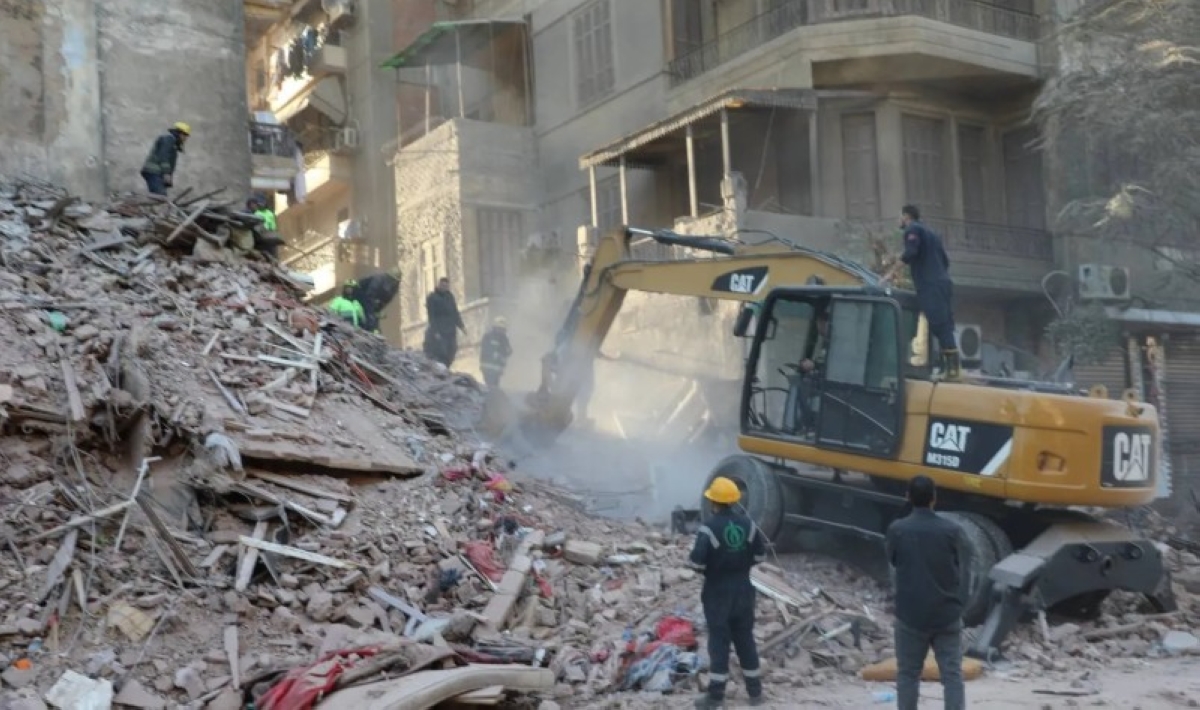
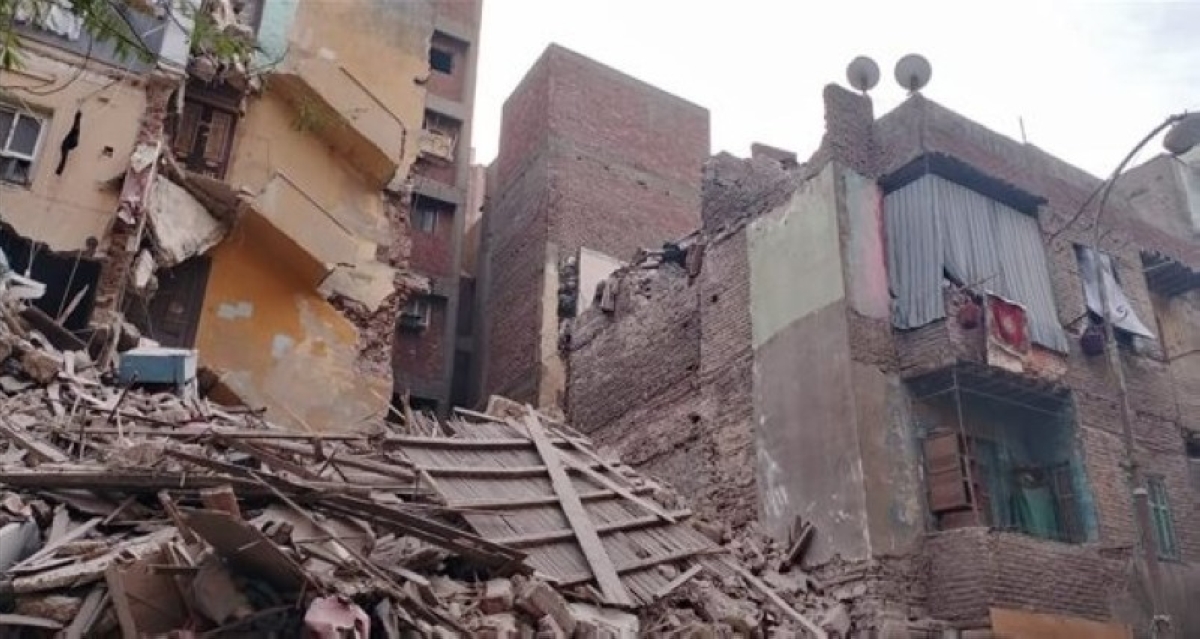
أصدرت النيابة الإدارية في مصر، قرارًا بإحالة مهندس بإدارة التنظيم في أحد أحياء محافظة القاهرة، إلى جانب خمسة آخرين من العاملين الحاليين والسابقين في الحي ذاته، إلى المحاكمة التأديبية، وذلك على خلفية إهمالهم الجسيم في متابعة تنفيذ قرار ترميم صادر لعقار، مما أدى إلى انهياره الكامل، مخلفًا مصرع 8 من قاطنيه وإصابة آخرين بجروح متفرقة.
وبحسب بيان صادر عن النيابة الإدارية، تضمنت قائمة المتهمين: مهندسين من إدارة التنظيم، ومديرتي التنظيم السابقتين، والمديرة السابقة للتنظيم والتخطيط، والمديرة السابقة لمنطقة الإسكان في الحي.
انهيار عقار القاهرة
بدأت الواقعة عندما رصد مركز الإعلام والرصد برئاسة النيابة الإدارية تقارير إخبارية عبر مواقع إلكترونية عن انهيار عقار في إحدى مناطق محافظة القاهرة، أسفر عن وفاة وإصابة عدد من المواطنين، وأبلغ المركز النيابة الإدارية للإدارة المحلية بالقاهرة - القسم الثاني، لتباشر التحقيقات.
معاينة تقود إلى إهمال
وأجرت النيابة معاينة شاملة لموقع الحادث، واستمعت إلى شهادات قاطني العقار المنهار والعقارات المجاورة، كما كلفت لجنة فنية متخصصة من مديرية الإسكان والمرافق بالقاهرة بفحص الواقعة، وكشف الفحص أن العقار مكون من بدروم و6 طوابق، وكان قد صدر له قرار ترميم شامل لم يُنفذ، ولم تتم متابعة تنفيذه.
في اليوم السابق للحادث، تقدم قاطنو العقار بشكوى للحي، مفادها وجود تشققات وتصدعات بالمبنى، مع أصوات «تصدع»، وسقوط رمال من الأسقف، وهبوط بالحوائط، وتراكم مياه الصرف أسفل العقار وحول الأساسات في البدروم.
وبحسب بيان النيابة، توجه المتهم الأول، مهندس التنظيم، إلى الموقع للمعاينة، لكنه لم يجرِ فحصًا فنيًا دقيقًا، وأهمل فحص البدروم وحالة الأساسات الإنشائية، ولم يتخذ إجراءات الإخلاء الجبري، بل أكد للقاطنين صلاحية العقار للسكن، رغم أن حالته كانت «خطر داهم» يستوجب الإخلاء الفوري حفاظًا على سلامة السكان والزوار.
وبعد ساعات قليلة، في فجر اليوم التالي، انهار العقار رأسيًا بالكامل، مما أدى إلى وفاة 8 مواطنين وإصابة 3 آخرين بإصابات متنوعة.
وأظهرت التحقيقات مسؤولية جميع المتهمين، كلٌ في نطاق عمله وخلال فترة تواجده في المنصب، عن الإهمال الجسيم في عدم متابعة تنفيذ قرار الترميم، وعدم اتخاذ الإجراءات القانونية اللازمة لضمان سلامة قاطني العقار.
وأمرت النيابة بإحالتهم للمحاكمة التأديبية، وكلفت الجهة الإدارية المختصة بحصر جميع العقارات في نطاق الحي التي صدرت بشأنها قرارات ترميم لم تُنفذ، مع اتخاذ إجراءات عاجلة لتنفيذها حفاظًا على الأرواح والممتلكات.
The Administrative Prosecution in Egypt issued a decision to refer an engineer from the organization department in one of the neighborhoods of Cairo Governorate, along with five others from current and former employees in the same neighborhood, to disciplinary trial. This was due to their gross negligence in monitoring the implementation of a restoration order issued for a building, which led to its complete collapse, resulting in the death of 8 residents and injuries to others with various wounds.
According to a statement issued by the Administrative Prosecution, the list of defendants included: engineers from the organization department, the two former organization directors, the former director of organization and planning, and the former director of the housing area in the neighborhood.
Collapse of a Cairo Building
The incident began when the Media and Monitoring Center, under the Administrative Prosecution, monitored news reports via electronic websites about the collapse of a building in one of the areas of Cairo Governorate, which resulted in the death and injury of several citizens. The center notified the Administrative Prosecution for Local Administration in Cairo - the second section, to initiate investigations.
Inspection Leading to Negligence
The prosecution conducted a comprehensive inspection of the accident site and listened to testimonies from the residents of the collapsed building and neighboring buildings. It also tasked a specialized technical committee from the Housing and Utilities Directorate in Cairo to examine the incident. The examination revealed that the building consisted of a basement and 6 floors, and a comprehensive restoration order had been issued that was not executed, and there was no follow-up on its implementation.
The day before the incident, the residents of the building submitted a complaint to the neighborhood, stating that there were cracks and fissures in the structure, with sounds of "cracking," falling sand from the ceilings, wall subsidence, and accumulation of sewage water beneath the building and around the foundations in the basement.
According to the prosecution's statement, the first defendant, the organization engineer, went to the site for inspection, but he did not conduct a thorough technical examination, neglected to inspect the basement and the condition of the structural foundations, and did not take necessary evacuation measures. Instead, he assured the residents of the building's suitability for habitation, despite its condition being a "grave danger" that required immediate evacuation to ensure the safety of the residents and visitors.
Just a few hours later, in the early hours of the following day, the building collapsed vertically in its entirety, resulting in the death of 8 citizens and injuries to 3 others with various injuries.
Investigations revealed the responsibility of all the defendants, each within the scope of their work and during their tenure in office, for the gross negligence in failing to monitor the implementation of the restoration order and for not taking the necessary legal measures to ensure the safety of the building's residents.
The prosecution ordered their referral to disciplinary trial and tasked the relevant administrative authority with cataloging all buildings in the neighborhood for which restoration orders had been issued but not executed, while taking urgent measures to implement them to protect lives and property.