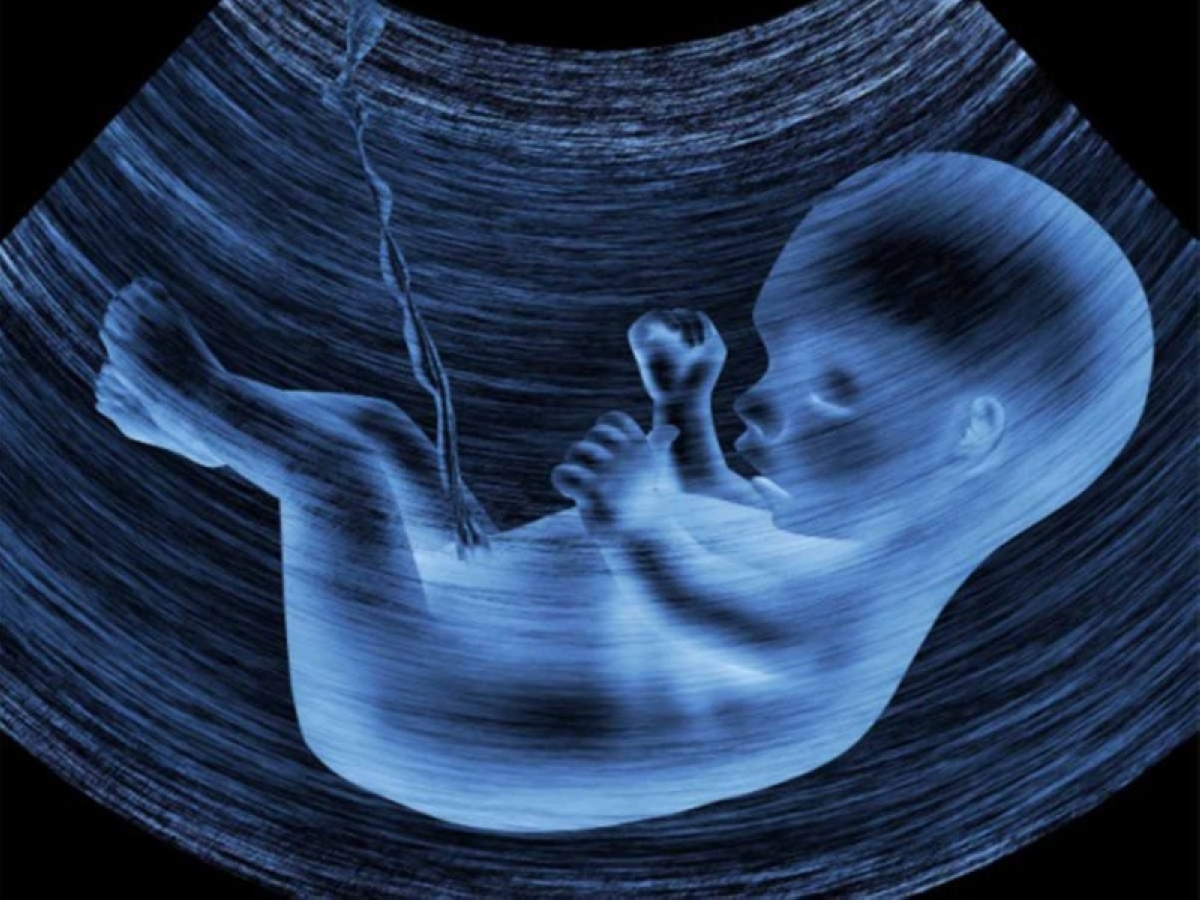
توصل فريق من جامعة مونتريال الكندية إلى أن الرضّع حديثي الولادة يمكنهم التمييز بين اللغات التي استمعوا إليها وهم أجنّة في بطون أمهاتهم، كما يتجاوبون مع لغاتهم الأم.
جاء ذلك في دراسة نشرتها الدورية العلمية Nature Communication المتخصصة في مهارات التواصل واللغة، هي الأولى من نوعها التي تعتمد على تقنيات تصوير المخّ لإثبات الفرضية العلمية التي ظل خبراء طب النفس والأعصاب يتشككون في صحتها منذ فترة طويلة، إذ كانت دراسات سابقة قد أثبتت أن الأجنّة والمواليد حديثي الولادة يمكنهم التعرف على الأصوات المألوفة، بل ويفضلون الاستماع إلى لغتهم الأم بعد الولادة مباشرة.
وأثبتت الدراسة التي تُعد الأولى من نوعها المعتمدة على تقنيات تصوير المخّ أن التعرض للغات أثناء وجود الجنين في الرحم يكوّن شبكات تواصل عصبية تؤثر على استجابته اللغوية بعد الميلاد، وهو ما ظل موضع شك لدى العلماء لعقود سابقة.
وقالت أخصائية طب الأعصاب بجامعة مونتريال رئيس فريق الدراسة آنا جالاجر: «لا يمكننا القول إن الرضّع يتعلمون اللغة قبل ميلادهم، ولكن يمكننا الجزم بأن حديثي الولادة يشعرون بالأُلفة حيال اللغة أو اللغات التي سبق لهم الاستماع إليها وهم ما زالوا في طور الأجنّة، إذ إن التعرض لهذه اللغات أثناء وجود الجنين داخل الرحم يساعد في تكوين شبكات تواصل داخل المخّ».
وشارك في التجربة نحو 60 امرأة حاملاً في الأسبوع الـ35 من الحمل، وتم تعريض 39 منهن لتسجيلات صوتية لقصص باللغة الفرنسية، وهي اللغة الأم الخاصة بهن، لمدة 10 دقائق، ثم استمعن إلى تسجيلات للقصص نفسها باللغة الألمانية لمدة 10 دقائق أيضاً، مع تكرار هذه العملية بشكل يومي طوال فترة الحمل.
ووجد الباحثون تزايداً في نشاط الفص الصدغي الأيسر، وهو مركز معالجة اللغة في المخّ، لدى جميع حديثي الولادة المشاركين في التجربة عند الاستماع إلى عبارات باللغة الفرنسية. ولكن عند تعريض المواليد للغة الألمانية لم يحدث النشاط الذهني نفسه سوى لدى الأطفال الذين كانوا قد استمعوا للغة نفسها وهم ما زالوا أجنّة في أرحام أمهاتهم.
A team from the University of Montreal in Canada has found that newborn infants can distinguish between the languages they heard while they were fetuses in their mothers' wombs, and they respond to their native languages.
This was revealed in a study published in the scientific journal Nature Communication, which specializes in communication and language skills. It is the first of its kind to rely on brain imaging techniques to prove the scientific hypothesis that experts in psychology and neurology have long been skeptical about. Previous studies had shown that fetuses and newborns can recognize familiar sounds and even prefer to listen to their native language immediately after birth.
The study, which is the first of its kind based on brain imaging techniques, demonstrated that exposure to languages while the fetus is in the womb forms neural communication networks that affect their linguistic response after birth, a point that has been questioned by scientists for decades.
Anna Gallagher, a neurologist at the University of Montreal and the head of the study team, stated: "We cannot say that infants learn language before their birth, but we can assert that newborns feel familiarity towards the language or languages they have listened to while still in the fetal stage, as exposure to these languages while the fetus is in the womb helps in forming communication networks within the brain."
About 60 pregnant women in their 35th week of pregnancy participated in the experiment. 39 of them were exposed to audio recordings of stories in French, their native language, for 10 minutes, and then listened to recordings of the same stories in German for another 10 minutes, with this process being repeated daily throughout the pregnancy.
The researchers found an increase in activity in the left temporal lobe, which is the center for language processing in the brain, among all the newborns participating in the experiment when listening to phrases in French. However, when the newborns were exposed to the German language, the same mental activity only occurred in the children who had listened to that language while they were still fetuses in their mothers' wombs.