في قفزة علمية قد تغير قواعد مكافحة السرطان، أعلن باحثون من جامعة جنوب كاليفورنيا عن تطوير خوارزمية ذكاء اصطناعي ثورية قادرة على اكتشاف الخلايا السرطانية النادرة وسط ملايين الخلايا الدموية في غضون 10 دقائق فقط، محققة دقة غير مسبوقة بنسبة 98.7%.
ويعد هذا الإنجاز العملي الذي نُشر في مجلة «نيتشر» خطوة تاريخية في «الخزعة السائلة»، ويَعِد بتحسين تشخيص السرطان المبكر وإنقاذ ملايين الأرواح حول العالم.
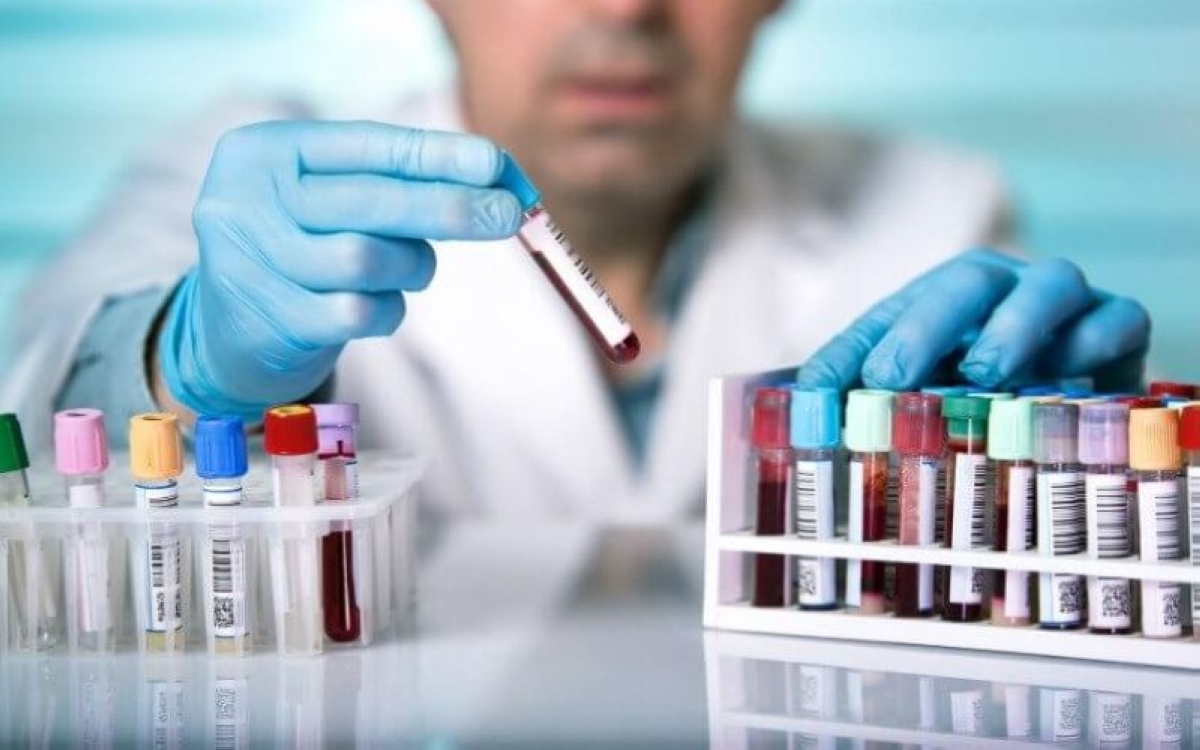
وطورت الدراسة، التي قادتها فرق من كلية فيتيربي للهندسة وكلية دورنسيف للآداب والعلوم والفنون، خوارزمية تعتمد على التعلم العميق لتحليل صور مجهرية عالية الدقة لعيّنات الدم، مما يسمح بتحديد الخلايا السرطانية المنتشرة التي تُشكل أقل من 0.0001% من خلايا الدم.
وقال الباحث الرئيسي في الدراسة عن التقنية الجديدة الدكتور بيتر كوين: «كأنك تبحث عن إبرة في كومة قش، لكن الذكاء الاصطناعي يجدها في دقائق» موضحاً أن التقنية تُقلل وقت التحليل من ساعات أو أيام إلى 10 دقائق فقط، مع تقليص التكاليف بنسبة 60% مقارنة بالأنظمة التقليدية.
وتدمج الخوارزمية، التي دُربت على عينات من 1200 مريض بسرطان الرئة والثدي، مع أجهزة محمولة مثل «Lab on a Chip»، ما يجعلها قابلة للاستخدام في المستشفيات الصغيرة أو المناطق النائية، ما يجعل هذا الإنجاز يُعزز الطب الشخصي، إذ يمكن للأطباء تتبع انتشار السرطان وتقييم فعالية العلاج بسرعة ودقة أعلى.
وأضاف كوين: «هذه التقنية ليست مجرد أداة، بل أمل لملايين المرضى»، مشيراً إلى أن التشخيص المبكر يمكن أن يرفع معدلات البقاء بنسبة تصل إلى 90% لبعض أنواع السرطان.
تسخير الذكاء الاصطناعي في الرعاية الصحية
وتأتي الدراسة وسط جهود عالمية لتسخير الذكاء الاصطناعي في الرعاية الصحية، حيث تُشير تقارير «ماكينزي» إلى أن الذكاء الاصطناعي قد يوفر 180 مليار دولار سنوياً في تكاليف التشخيص بحلول 2030، ومع ذلك، يواجه التطبيق تحديات، مثل الحاجة إلى موافقات تنظيمية من إدارة الغذاء والدواء الأمريكية والتكامل مع الأنظمة الصحية العالمية.
ويخطط الباحثون في جامعة جنوب كاليفورنيا لتجارب سريرية موسعة في 2026، مع توقعات بأن تصل التقنية إلى السوق بحلول 2027، ما يجعل هذا الاكتشاف يُعزز مكانة الولايات المتحدة كرائدة في الطب المدعوم بالذكاء الاصطناعي.
In a scientific leap that could change the rules of cancer treatment, researchers from the University of Southern California announced the development of a revolutionary artificial intelligence algorithm capable of detecting rare cancer cells among millions of blood cells in just 10 minutes, achieving an unprecedented accuracy of 98.7%.
This practical achievement, published in the journal "Nature," is a historic step in "liquid biopsy," promising to improve early cancer diagnosis and save millions of lives worldwide.
The study, led by teams from the Viterbi School of Engineering and the Dornsife College of Letters, Arts and Sciences, developed an algorithm based on deep learning to analyze high-resolution microscopic images of blood samples, allowing for the identification of circulating cancer cells that make up less than 0.0001% of blood cells.
The principal investigator of the study on the new technology, Dr. Peter Quinn, stated: "It's like looking for a needle in a haystack, but artificial intelligence finds it in minutes," explaining that the technology reduces analysis time from hours or days to just 10 minutes, while cutting costs by 60% compared to traditional systems.
The algorithm, which was trained on samples from 1,200 patients with lung and breast cancer, integrates with portable devices like "Lab on a Chip," making it usable in small hospitals or remote areas, enhancing personalized medicine, as doctors can quickly and accurately track cancer spread and assess treatment effectiveness.
Quinn added: "This technology is not just a tool, but a hope for millions of patients," noting that early diagnosis can increase survival rates by up to 90% for certain types of cancer.
Harnessing Artificial Intelligence in Healthcare
The study comes amid global efforts to harness artificial intelligence in healthcare, with "McKinsey" reports indicating that AI could save $180 billion annually in diagnostic costs by 2030. However, the application faces challenges, such as the need for regulatory approvals from the U.S. Food and Drug Administration and integration with global health systems.
Researchers at the University of Southern California plan to conduct expanded clinical trials in 2026, with expectations that the technology will reach the market by 2027, further solidifying the United States' position as a leader in AI-supported medicine.