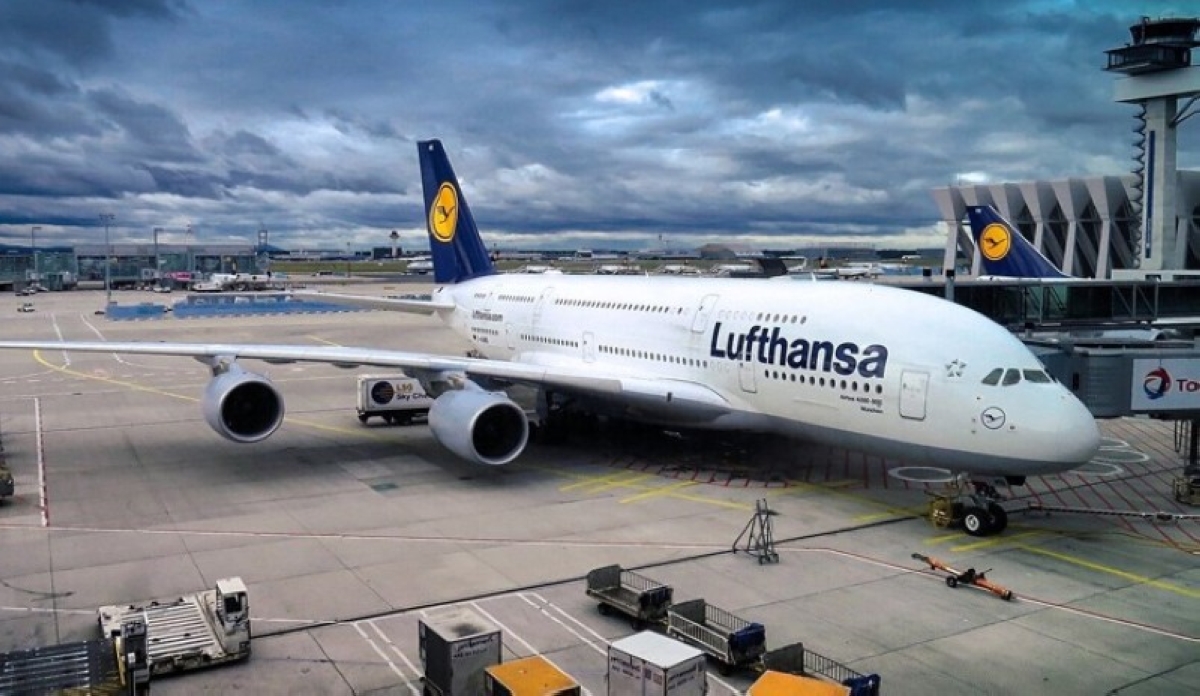
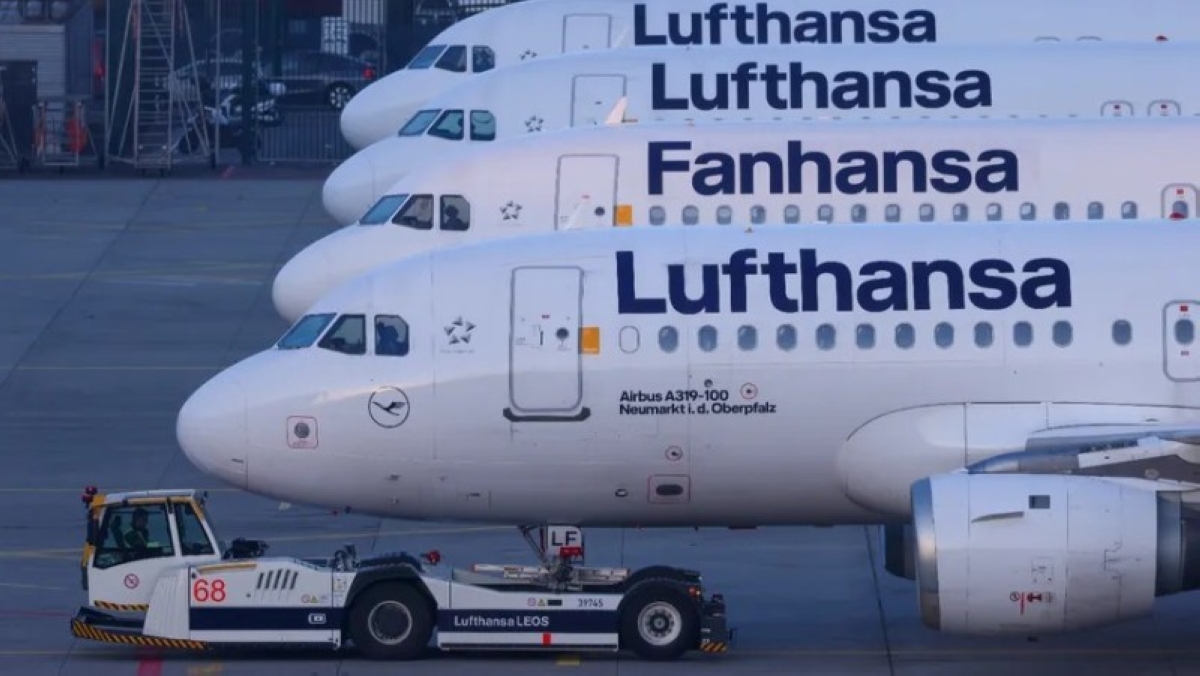
في ضربة محتملة للاقتصاد الألماني، أعلنت «لوفتهانزا» عن دراسة داخلية تشير إلى إلغاء نحو 100 رحلة داخلية أسبوعياً الصيف القادم، بسبب ارتفاع الضرائب والرسوم الحكومية التي تضاعفت منذ 2019، ما يُهدد بفقدان آلاف الوظائف وتقليص القدرة التنافسية لأكبر شركة طيران في أوروبا.
وجاء إعلان شركة الطيران الألمانية العملاقة خلال مقابلة للرئيس التنفيذي لـ«لوفتاهنز» كارستن سبورمع صحيفة «فيلت أم زونتاج»، وهو ما اعتبرته وسائل إعلام ألمانية صرخة تحذيرية للحكومة الألمانية، التي وعدت بتخفيض الضرائب لكنها فشلت في التنفيذ.
بدأت الأزمة مع جائحة كوفيد-19، التي أوقفت الطيران الألماني لشهور، لكن التعافي الدولي كان سريعاً بينما بقي الداخلي متعثراً، ووفقاً للدراسة الداخلية لـ«لوفتهانزا»، فقد ارتفعت التكاليف الحكومية الإجمالية بنسبة 90% منذ 2019، إذ وصلت الضرائب والرسوم لرحلة واحدة من فرانكفورت إلى 4600 يورو، مقارنة بـ4238 يورو في برلين و5109 يورو في شتوتغارت – أعلى بكثير من المنافسين الأوروبيين مثل بروكسل (1892 يورو) أو مدريد (687 يورو).
وقال سبور إن «التكاليف تضاعفت، ونحن نُجبر على نقل الطائرات إلى خطوط أكثر ربحية خارج ألمانيا»، مشيراً إلى أن الرحلات الداخلية خارج فرانكفورت وميونيخ انخفضت بنسبة 75% مقارنة بما قبل 2020، بسبب انتشار الاجتماعات الافتراضية وارتفاع الأسعار.
وجاء الضغط من ضريبة الطيران الوطنية، التي ارتفعت في مايو 2024 إلى 15.53 يورو للرحلات القصيرة (من 12.48 يورو سابقاً)، و39.34 يورو للمتوسطة، مع رسوم إضافية للمطارات بنسبة 40% وتحكم جوي بنسبة 25%، حتى جعلت هذه الارتفاعات، التي تهدف إلى تمويل مكافحة الاحتباس الحراري، الرحلات الداخلية غير مربحة، خصوصاً مع انخفاض الطلب التجاري بنسبة 50%.
وتواجه الحكومة، التي وعدت في اتفاق الائتلاف بتخفيض الضرائب، الآن ضغوطاً من نقابات العمال والشركات الألمانية، ودافع رئيس الاتحاد الألماني للطيران جنس بيشوف، الذي يدير «يوروينغز» التابعة لـ«لوفتهانزا»، عن التخفيضات قائلاً: «الطيران يُساهم بـ0.3% فقط من الانبعاثات، ومع ذلك نُدفع ثمن السياسات البيئية».
وتظهر الدراسة، التي غطت 7 مطارات رئيسية مثل بريمن ودريسدن، أن الرحلات الداخلية تُشكل 25% فقط من مستوياتها قبل الجائحة، ما يُهدد الاقتصاد الإقليمي الذي يعتمد على الطيران لـ2% من الناتج المحلي.
In a potential blow to the German economy, Lufthansa announced an internal study indicating the cancellation of about 100 domestic flights weekly next summer, due to rising taxes and government fees that have doubled since 2019, threatening the loss of thousands of jobs and reducing the competitiveness of Europe’s largest airline.
The announcement from the German airline giant came during an interview with CEO Carsten Spohr for the newspaper Welt am Sonntag, which German media considered a warning cry to the German government, which promised to reduce taxes but failed to implement it.
The crisis began with the COVID-19 pandemic, which halted German aviation for months, but international recovery was swift while domestic travel remained sluggish. According to Lufthansa's internal study, total government costs have risen by 90% since 2019, with taxes and fees for a single flight from Frankfurt reaching €4,600, compared to €4,238 in Berlin and €5,109 in Stuttgart – significantly higher than European competitors like Brussels (€1,892) or Madrid (€687).
Spohr stated that "costs have doubled, and we are forced to move aircraft to more profitable routes outside Germany," noting that domestic flights outside Frankfurt and Munich have decreased by 75% compared to pre-2020 levels, due to the rise of virtual meetings and increased prices.
The pressure came from the national air travel tax, which increased in May 2024 to €15.53 for short flights (up from €12.48 previously) and €39.34 for medium flights, along with additional airport fees of 40% and air traffic control fees of 25%. These increases, aimed at financing the fight against global warming, have made domestic flights unprofitable, especially with business demand down by 50%.
The government, which promised in the coalition agreement to reduce taxes, is now facing pressure from labor unions and German companies. The head of the German Aviation Association, Jens Bischof, who manages Eurowings, a subsidiary of Lufthansa, advocated for the cuts, stating: "Aviation contributes only 0.3% of emissions, yet we are paying the price for environmental policies."
The study, which covered 7 major airports such as Bremen and Dresden, shows that domestic flights represent only 25% of their pre-pandemic levels, threatening the regional economy that relies on aviation for 2% of its GDP.