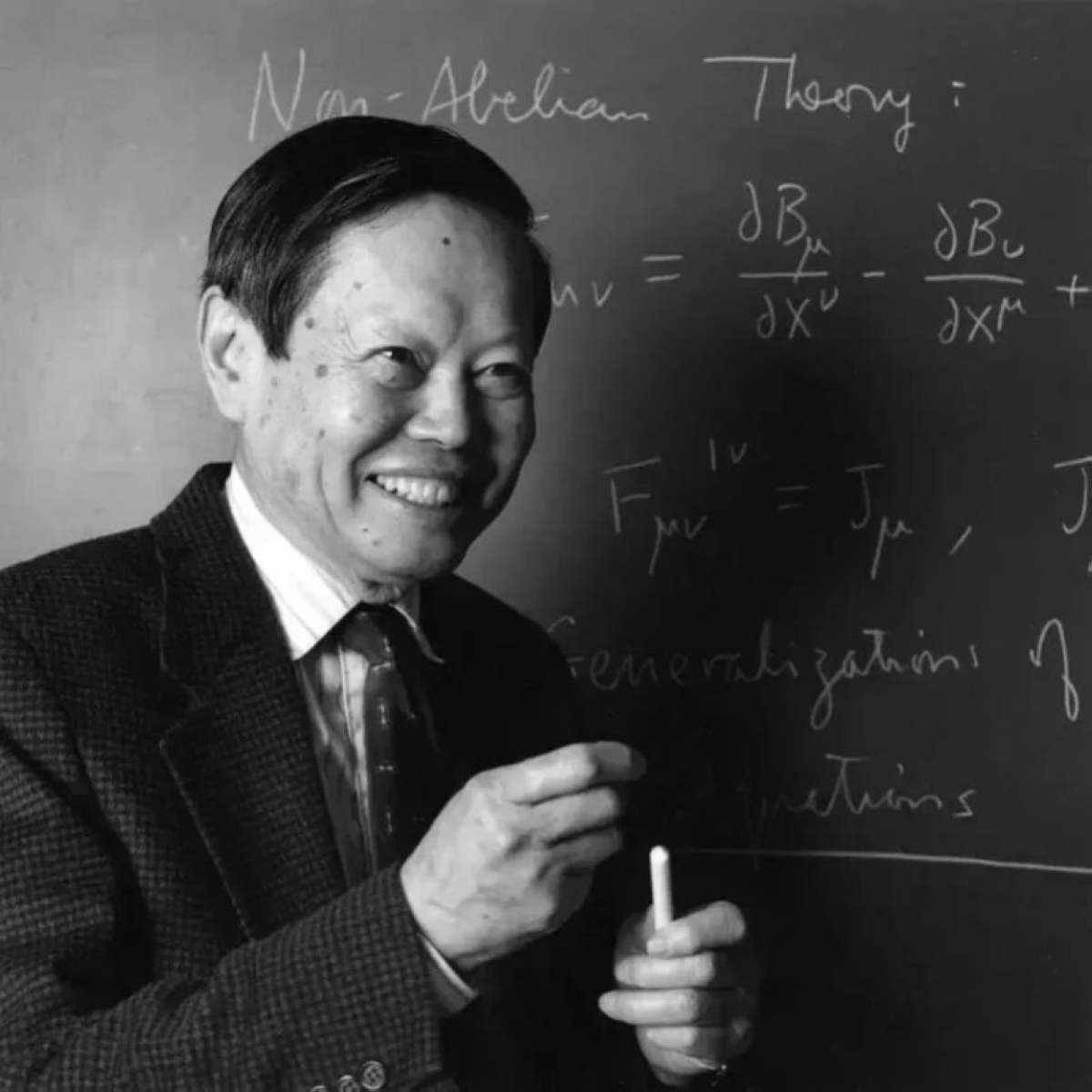
ودعت الأوساط العلمية العالمية، اليوم (السبت)، أحد أبرز رموز الفيزياء الحديثة، إذ أعلنت جامعة تسينغهوا اليوم وفاة الدكتور تشين نينغ يانغ، الحائز على جائزة نوبل في الفيزياء وعالم الفيزياء النظرية، الذي غيّر فهم البشرية للكون، عن عمر ناهز 103 أعوام بعد صراع مع المرض في بكين، والذي وصفته الجامعة بأنه سيظل «خالدًا»، مشيرةً إلى مساهماته الثورية التي جعلته واحدًا من أعظم علماء القرن العشرين، إلى جانب ألبرت أينشتاين.
عالم الفيزياء تشين نينغ يانغ
وقالت جامعة تسينغهوا في بيانها اليوم: «ساهم يانغ في تطوير العلوم الصينية، وزرع بذور الابتكار في عقول الشباب»، وأعرب الرئيس الصيني شي جين بينغ عن حزنه العميق، مشيدًا بيانغ كـ«ركيزة في تاريخ الفيزياء الصينية» كما أصدرت الأكاديمية الصينية للعلوم بيانًا يصف مساهماته بأنها «ثورية»، معبرًا عن فقدان «عملاق العلم».
سيرة علمية حافلة
ولد يانغ في عام 1922 في مدينة هفي بمقاطعة أنهوي، وكان الابن الأكبر من خمسة أبناء، ونشأ في حرم جامعة تسينغهوا، حيث كان والده أستاذًا في الرياضيات، مما غرس فيه حب العلم منذ الصغر، وكشفت مذكراته أنه أعلن لوالديه وهو في سن المراهقة، أنه «ذات يوم، سأفوز بجائزة نوبل 175 ولم يخيب أملهم.
عالم الفيزياء تشين نينغ يانغ
في عام 1938، التحق بجامعة الجنوب الغربي المرتبطة الوطنية في كونمينغ، ثم عاد إلى تسينغهوا ليحصل على درجة الماجستير في العلوم عام 1944، مع نهاية الحرب الصينية اليابانية، سافر إلى الولايات المتحدة عام 1945 على منحة من تسينغهوا، ليدرس في جامعة شيكاغو تحت إشراف إنريكو فيرمي، مخترع أول مفاعل نووي، وحصل على الدكتوراه عام 1948.
قرن شهد تحولات هائلة في الفيزياء
وشهد القرن الذي عاشه تحولات هائلة في الفيزياء، وكان هو في قلبها، حيث إنه في 1954، طور مع روبرت ميلز نظرية يانغ-ميلس، التي أصبحت عماد نموذج الجسيمات القياسي وأساسًا لفهم القوى الأساسية في الكون، لكن الإنجاز الأبرز جاء عام 1957، عندما شارك زميله الصيني تسونغ-داو لي جائزة نوبل في الفيزياء عن إثبات أن مبدأ التماثل الباريتي غير محفوظ في التفاعلات الضعيفة.
وأدى إثباته لمبدأ التماثل الباريتي إلى تجارب مثل تجربة وو تشيانغ، أحدث ثورة في فيزياء الجسيمات، وأثبت أن الطبيعة غير متماثلة كما كان يُعتقد، مما فتح أبوابًا لفهم أسرار المادة والمادة المضادة.
عالم الفيزياء تشين نينغ يانغ
قضى يانغ عقودًا في معهد الدراسات المتقدمة في برينستون، حيث أصبح أستاذًا في 1955، وساهم في مجالات الميكانيكا الإحصائية والمبادئ التماثلية، وفي 1986، أصبح أستاذًا مميزًا في الجامعة الصينية في هونغ كونغ، وتبرع بجوائزه، بما في ذلك نوبل، لدعم التعليم، لكن اللحظة الأكثر عاطفية جاءت عام 2015، عندما تخلى عن الجنسية الأمريكية التي حصل عليها في 1964، ليصبح مواطنًا صينيًا. وقال يانغ في مذكراته: «الولايات المتحدة بلد جميل أعطاني فرصًا رائعة، لكنني لم أستطع أن أغفر لنفسي عدم الوفاء بوعد والدي»، كان هذا القرار رمزيًا، إذ شجع علماء صينيين آخرين على العودة إلى الوطن.
The global scientific community bid farewell today (Saturday) to one of the most prominent figures in modern physics, as Tsinghua University announced the passing of Dr. Chen-Ning Yang, the Nobel Prize-winning physicist and theoretical physicist who changed humanity's understanding of the universe, at the age of 103 after a battle with illness in Beijing. The university described him as someone who will remain "immortal," highlighting his revolutionary contributions that made him one of the greatest scientists of the twentieth century, alongside Albert Einstein.
عالم الفيزياء تشين نينغ يانغ
Tsinghua University stated in its announcement today: "Yang contributed to the development of Chinese science and planted the seeds of innovation in the minds of youth." Chinese President Xi Jinping expressed his deep sorrow, praising Yang as a "pillar in the history of Chinese physics." The Chinese Academy of Sciences also issued a statement describing his contributions as "revolutionary," expressing the loss of a "giant of science."
A Distinguished Scientific Career
Yang was born in 1922 in Hefei, Anhui Province, and was the eldest of five children. He grew up on the Tsinghua University campus, where his father was a mathematics professor, instilling in him a love for science from an early age. His memoirs revealed that he told his parents as a teenager, "One day, I will win the Nobel Prize," and he did not disappoint them.
عالم الفيزياء تشين نينغ يانغ
In 1938, he enrolled at the National Southwestern Associated University in Kunming, then returned to Tsinghua to earn a master's degree in science in 1944. With the end of the Second Sino-Japanese War, he traveled to the United States in 1945 on a scholarship from Tsinghua to study at the University of Chicago under the supervision of Enrico Fermi, the inventor of the first nuclear reactor, and received his Ph.D. in 1948.
A Century of Tremendous Transformations in Physics
The century he lived witnessed tremendous transformations in physics, and he was at the heart of it. In 1954, he developed the Yang-Mills theory with Robert Mills, which became the cornerstone of the Standard Model of particle physics and a foundation for understanding the fundamental forces in the universe. However, the most notable achievement came in 1957 when he shared the Nobel Prize in Physics with his Chinese colleague Tsung-Dao Lee for proving that parity symmetry is not conserved in weak interactions.
His proof of the parity principle led to experiments such as the Wu-Chiang experiment, which revolutionized particle physics and demonstrated that nature is asymmetric as previously thought, opening doors to understanding the mysteries of matter and antimatter.
عالم الفيزياء تشين نينغ يانغ
Yang spent decades at the Institute for Advanced Study in Princeton, where he became a professor in 1955, contributing to the fields of statistical mechanics and symmetry principles. In 1986, he became a distinguished professor at the Chinese University of Hong Kong, donating his awards, including the Nobel Prize, to support education. However, the most emotional moment came in 2015 when he renounced his American citizenship, which he had obtained in 1964, to become a Chinese citizen. Yang stated in his memoirs: "The United States is a beautiful country that gave me wonderful opportunities, but I could not forgive myself for not fulfilling my promise to my parents." This decision was symbolic, as it encouraged other Chinese scientists to return home.