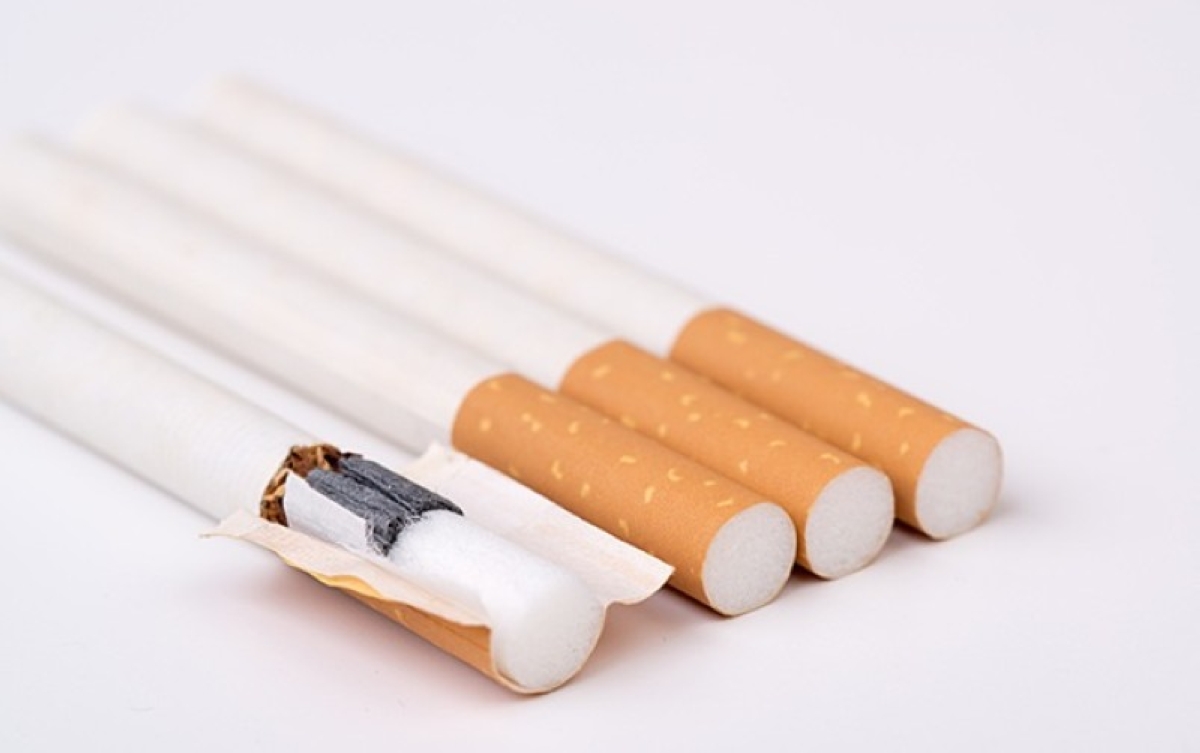
حث خبراء الحكومة البريطانية على حظر فلاتر السجائر، معتبرين أنها لا تقدم فوائد صحية وتُعد مصدرا رئيسيا للتلوث البلاستيكي. وفي افتتاحية نُشرت في مجلة «Addiction»، التابعة لجمعية دراسة الإدمان، دعا باحثون إلى استغلال مشروع قانون التبغ والسجائر الإلكترونية القادم لفرض حظر على الفلاتر لحماية الصحة العامة والبيئة.
وأوضحت أستاذة الصحة العامة بكلية الطب في برايتون وسوسيكس، المؤلفة الرئيسية للافتتاحية الدكتورة كاثرين إيست أن «فلاتر السجائر صُممت لإعطاء انطباع زائف بالأمان»، مضيفة: «في الواقع، لا تقلل هذه الفلاتر من التعرض للسموم، بل قد تزيد من الضرر، إذ تدفع المدخنين للاستنشاق بشكل أعمق ولمدة أطول، وتترك ألياف خلات السيليلوز والجزيئات البلاستيكية الدقيقة في الرئتين، كما أنها تساهم بشكل كبير في أزمة النفايات البلاستيكية العالمية».
6 ملايين مُدخن بريطاني
ويبلغ عدد المدخنين في المملكة المتحدة نحو 6 ملايين بالغ، يستهلكون في المتوسط 11 سيجارة يوميا، رغم انخفاض أعدادهم منذ عام 2011، وعلى الرغم من أن البعض يلجأ إلى لف السجائر يدويا لتوفير التكاليف، إلا أن معظمهم يستمر في استخدام الفلاتر -التي تُعتبر بلاستيكا للاستخدام الواحد- ظنا منهم أنها تحمي صحتهم.
وأشارت إيست وزملاؤها إلى استطلاعات رأي تُظهر أن أكثر من ثلاثة أرباع الأشخاص، وأكثر من أربعة أخماس المدخنين، يعتقدون خطأ أن الفلاتر تحمي من المخاطر الصحية للتدخين.
على العكس، أكدوا أن الفلاتر قد تزيد من الضرر، إذ تجعل السجائر أكثر قبولا للمدخنين، وتدفعهم للاستنشاق بعمق أكبر للحصول على نفس مستوى النيكوتين، وتطلق أليافا بلاستيكية دقيقة في الرئتين، وكتب الباحثون: «هذه العوامل مجتمعة أدت إلى زيادة في سرطان الرئة الغدي القاتل».
مشروع قانون التبغ والسجائر الإلكترونية
مشروع قانون التبغ والسجائر الإلكترونية سيمنع أي شخص وُلد بعد عام 2009 من التدخين قانونيا من خلال رفع سن شراء التبغ تدريجيا، لكن إيست وفريقها يرون أن هذا القانون يوفر «فرصة فريدة لتنظيم منتجات التبغ بشكل أكبر».
وأضافوا أن أي حظر على السجائر ذات الفلاتر وملحقاتها يجب أن تصاحبه حملات توعية عامة لتصحيح المفاهيم الخاطئة حول فوائد الفلاتر.
British government experts have called for a ban on cigarette filters, considering that they offer no health benefits and are a major source of plastic pollution. In an editorial published in the journal "Addiction," affiliated with the Society for the Study of Addiction, researchers urged the upcoming tobacco and electronic cigarette bill to be used to impose a ban on filters to protect public health and the environment.
Dr. Katherine East, a public health professor at Brighton and Sussex Medical School and the lead author of the editorial, explained that "cigarette filters are designed to give a false impression of safety," adding, "In fact, these filters do not reduce exposure to toxins; they may increase harm, as they encourage smokers to inhale more deeply and for longer periods, leaving cellulose acetate fibers and microplastic particles in the lungs, and they significantly contribute to the global plastic waste crisis."
6 Million British Smokers
There are about 6 million adult smokers in the UK, who consume an average of 11 cigarettes a day, despite a decline in their numbers since 2011. Although some resort to hand-rolling cigarettes to save costs, most continue to use filters—which are considered single-use plastics—believing that they protect their health.
East and her colleagues pointed to surveys showing that more than three-quarters of people, and more than four-fifths of smokers, mistakenly believe that filters protect against the health risks of smoking.
On the contrary, they confirmed that filters may increase harm, as they make cigarettes more palatable to smokers, prompting them to inhale more deeply to achieve the same level of nicotine, releasing microplastic fibers into the lungs. The researchers wrote: "These factors combined have led to an increase in deadly adenocarcinoma of the lung."
Tobacco and Electronic Cigarette Bill
The tobacco and electronic cigarette bill will legally prevent anyone born after 2009 from smoking by gradually raising the age for purchasing tobacco. However, East and her team see this law as providing a "unique opportunity to further regulate tobacco products."
They added that any ban on filtered cigarettes and their accessories should be accompanied by public awareness campaigns to correct misconceptions about the benefits of filters.