


أدوات احذر مشاركتها مطلقاً مع الآخرين
16 أكتوبر 2025 - 02:15
|
آخر تحديث 16 أكتوبر 2025 - 02:15


تابع قناة عكاظ على الواتساب
«عكاظ» (جدة) OKAZ_online@
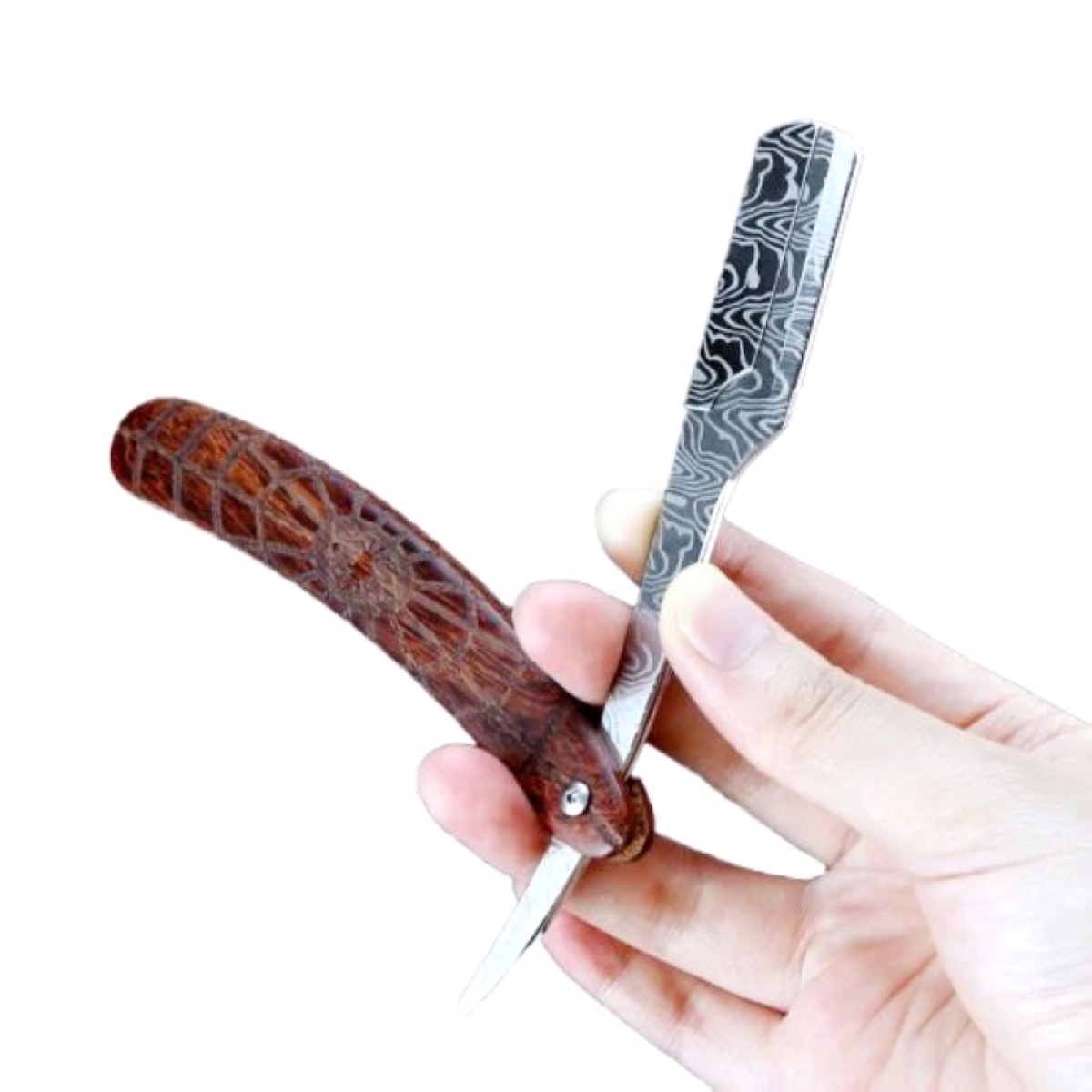
ثلاثة أشياء منزلية شائعة لا ينبغي مطلقاً مشاركتها: شفرات الحلاقة، والمناشف، وأدوات العناية الشخصية كالفرش ومقصّات الأظافر. تحذّر مراكز مكافحة الأمراض الأمريكية، من أن مشاركة شفرات الحلاقة أو فراشي الأسنان قد تنقل فايروسات منقولة بالدم مثل التهابَي الكبد B وC، إذ تخلّف الشفرات خدوشاً مجهرية تحمل دماً لا يُرى بالعين. كما توضح الهيئات الصحية البريطانية، أن المناشف الرطبة والبيئات الدافئة تُبقي الجراثيم حية وتُسهِّل انتقالها بين أفراد الأسرة، ما يستلزم تخصيص منشفة لكل شخص وغسلها دورياً وفق التعليمات الحرارية المناسبة. ويؤكد اختصاصيو الأمراض الجلدية، أن أدوات الاستحمام واللوف قد تعمل كـ«حوامل» للمايكروبات والفايروسات الجلدية، ما يعزز ظهور الثآليل والالتهابات الفطرية، ويجعل المشاركة مخاطرة غير ضرورية. عملياً؛ احتفِظ بأدواتك الشخصية منفصلة، بدّل شفراتك بانتظام، اغسل المناشف بماء حار وجفّفها تماماً، ولا تشارك أدوات قصّ الأظافر أو فراشي الأسنان حتى مع الأقارب، فـ«التوفير» هنا قد يفتح باب عدوى.
Three common household items that should never be shared: razors, towels, and personal care tools like brushes and nail clippers. The U.S. Centers for Disease Control and Prevention warn that sharing razors or toothbrushes can transmit bloodborne viruses such as hepatitis B and C, as razors leave microscopic nicks that carry unseen blood. British health authorities explain that damp towels and warm environments keep germs alive and facilitate their transfer among family members, necessitating a dedicated towel for each person and washing it regularly according to appropriate thermal instructions. Dermatology specialists confirm that bathing tools and loofahs can act as "carriers" for microbes and skin viruses, increasing the risk of warts and fungal infections, making sharing an unnecessary risk. Practically; keep your personal items separate, change your blades regularly, wash towels in hot water and dry them thoroughly, and do not share nail clippers or toothbrushes even with relatives, as "saving" here may open the door to infection.


