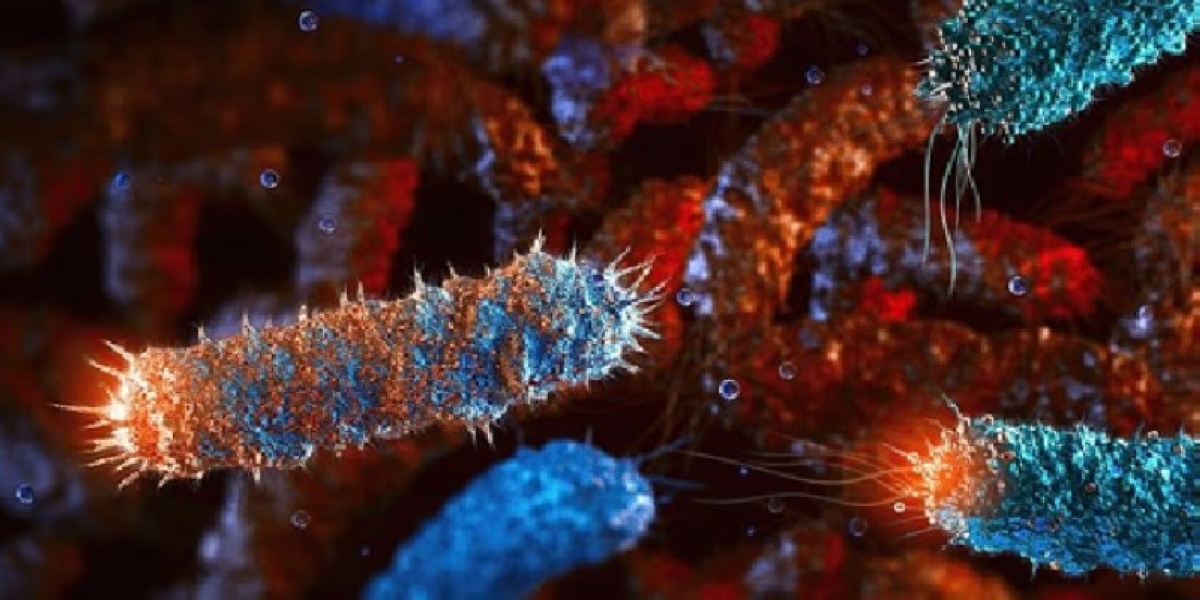
حذر خبراء الصحة من تصاعد خطر العدوى المقاومة للمضادات الحيوية، والتي باتت تشكل تهديداً خطيراً للصحة العالمية، حيث أفادت المستشفيات بارتفاع مقلق في عدد الوفيات الناجمة عن السلالات البكتيرية المقاومة للأدوية.
تحذير منظمة الصحة العالمية
وفقاً لتقرير المراقبة الأخير الصادر عن منظمة الصحة العالمية، فإن واحدة من كل ست إصابات بكتيرية كانت مقاومة للعلاج بالمضادات الحيوية في عام 2023، وتشير الأرقام إلى أن أكثر من 40% من المضادات الحيوية فقدت فعاليتها في علاج التهابات شائعة مثل التهابات المسالك البولية، الدم، الأمعاء، والأمراض المنقولة جنسياً خلال الفترة من 2018 إلى 2023.
وأظهر التقرير، الذي حلل بيانات أكثر من 23 مليون إصابة في 104 دول، أن المشكلة تتفاقم بشكل خاص في الدول منخفضة ومتوسطة الدخل التي تعاني من ضعف أنظمة الرعاية الصحية.
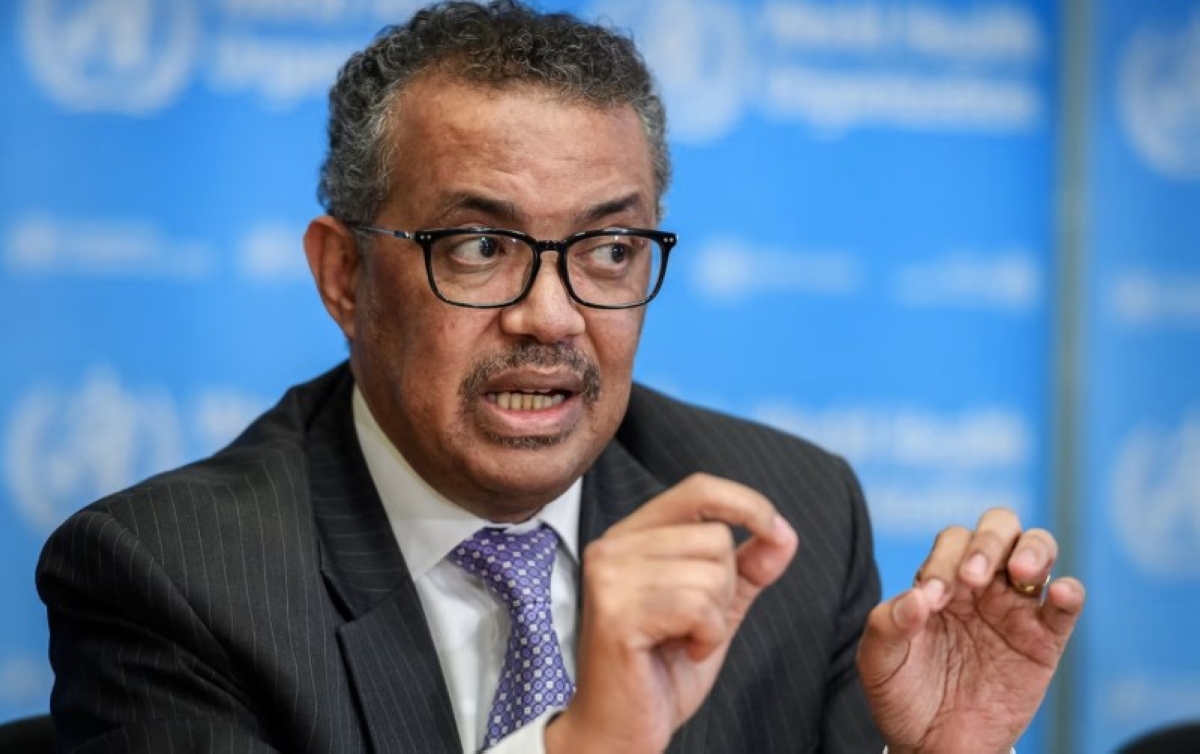
وأعرب مدير إدارة مقاومة المضادات الحيوية في منظمة الصحة العالمية الدكتور إيفان هوتن، عن قلقه العميق إزاء هذه النتائج، مشيراً إلى أن «تزايد مقاومة المضادات الحيوية يقلص خيارات العلاج، مما يعرض حياة المرضى للخطر، خصوصا في الدول التي تعاني من ضعف في الوقاية من العدوى ومحدودية الوصول إلى التشخيص والأدوية الفعالة».
مقاومة مضادات الميكروبات
وتُعرف مقاومة مضادات الميكروبات (AMR) بأنها قدرة الكائنات المسببة للأمراض، مثل البكتيريا والفايروسات والفطريات والطفيليات، على مقاومة الأدوية المصممة لقتلها أو علاج الأمراض الناتجة عنها، وفي عام 2021، توفي 7.7 مليون شخص بسبب الإصابات البكتيرية، حيث ساهمت مقاومة الأدوية في أكثر من نصف هذه الوفيات، وتسببت مباشرة في وفاة أكثر من مليون شخص.
وتُعد البكتيريا سالبة الغرام، مثل الإشريكية القولونية (E.coli)، مصدر قلق كبير بسبب وجود طبقة خارجية تحميها، مما يجعلها تتسبب في إصابات خطيرة مثل الإنتان، اضطرابات تخثر الدم، فشل الأعضاء، وحتى الوفاة. وأشار الدكتور هوتن إلى أن 40% من سلالات الإشريكية القولونية أصبحت مقاومة للعلاجات الأولية.
تهديد خطير للبشرية
كما أثار التقرير مخاوف جدية بشأن العدوى الفطرية المقاومة للأدوية، والتي وصفتها منظمة الصحة العالمية سابقاً بأنها «تهديد خطير للبشرية». وتشمل الفطريات ذات الأولوية القصوى أنواعاً مثل Aspergillus fumigatus وCandida albicans وCryptococcus neoformans وCandida auris.
ويواجه العالم صعوبات في تطوير أدوية مضادة للفطريات بسبب التشابه الكبير بين الخلايا الفطرية والخلايا البشرية، حيث لم تُعتمد سوى أربعة أدوية جديدة مضادة للفطريات خلال العقد الماضي.
نقطة تحول حرجة
وأكد الدكتور مانيكا بالاسيغارام، من الشراكة العالمية لأبحاث وتطوير المضادات الحيوية، أن مقاومة المضادات الحيوية وصلت إلى «نقطة تحول حرجة»، مشيراً إلى أن الإصابات الناتجة عن البكتيريا سالبة الغرام تفوق الآن قدرات تطوير المضادات الحيوية، إما بسبب عدم وصول الأدوية المناسبة إلى المرضى أو لعدم تطويرها أصلاً.
وأضاف الخبراء أن تطوير مضادات حيوية جديدة ليس كافياً، بل يجب تعزيز الجهود العالمية للوقاية من العدوى من خلال توفير مياه نظيفة، تحسين الصرف الصحي والنظافة، وتوسيع نطاق التطعيمات لتجنب الوصول إلى «نقطة اللاعودة»، وتشير التوقعات إلى أن مقاومة العدوى قد تتسبب في وفاة 10 ملايين شخص سنوياً بحلول عام 2050 إذا لم يتم اتخاذ إجراءات عاجلة.
Health experts have warned of the rising threat of antibiotic resistance, which has become a serious threat to global health, as hospitals report a concerning increase in the number of deaths caused by drug-resistant bacterial strains.
World Health Organization Warning
According to the latest surveillance report from the World Health Organization, one in six bacterial infections was resistant to antibiotic treatment in 2023, with figures indicating that over 40% of antibiotics have lost their effectiveness in treating common infections such as urinary tract infections, bloodstream infections, intestinal infections, and sexually transmitted diseases from 2018 to 2023.
The report, which analyzed data from over 23 million infections in 104 countries, showed that the problem is particularly worsening in low- and middle-income countries suffering from weak healthcare systems.
Dr. Ivan Hooten, Director of the Antimicrobial Resistance Division at the World Health Organization, expressed deep concern over these findings, noting that "the increasing antibiotic resistance reduces treatment options, putting patients' lives at risk, especially in countries with weak infection prevention and limited access to effective diagnostics and medications."
Antimicrobial Resistance
Antimicrobial resistance (AMR) is defined as the ability of disease-causing organisms, such as bacteria, viruses, fungi, and parasites, to resist drugs designed to kill them or treat diseases caused by them. In 2021, 7.7 million people died due to bacterial infections, with drug resistance contributing to more than half of these deaths and directly causing over a million deaths.
Gram-negative bacteria, such as Escherichia coli (E. coli), are a major concern due to their protective outer layer, which makes them cause severe infections such as sepsis, blood clotting disorders, organ failure, and even death. Dr. Hooten noted that 40% of E. coli strains have become resistant to first-line treatments.
A Serious Threat to Humanity
The report also raised serious concerns about drug-resistant fungal infections, which the World Health Organization has previously described as a "serious threat to humanity." Priority fungi include species such as Aspergillus fumigatus, Candida albicans, Cryptococcus neoformans, and Candida auris.
The world faces challenges in developing antifungal drugs due to the significant similarity between fungal cells and human cells, with only four new antifungal drugs approved in the past decade.
A Critical Turning Point
Dr. Manika Palasingham from the Global Partnership for Antibiotic Research and Development confirmed that antibiotic resistance has reached a "critical turning point," noting that infections caused by gram-negative bacteria now exceed the capacity to develop antibiotics, either due to the lack of access to appropriate drugs for patients or because they have not been developed at all.
Experts added that developing new antibiotics is not enough; global efforts must be strengthened to prevent infections by providing clean water, improving sanitation and hygiene, and expanding vaccination coverage to avoid reaching a "point of no return." Projections indicate that infection resistance could cause 10 million deaths annually by 2050 if urgent action is not taken.