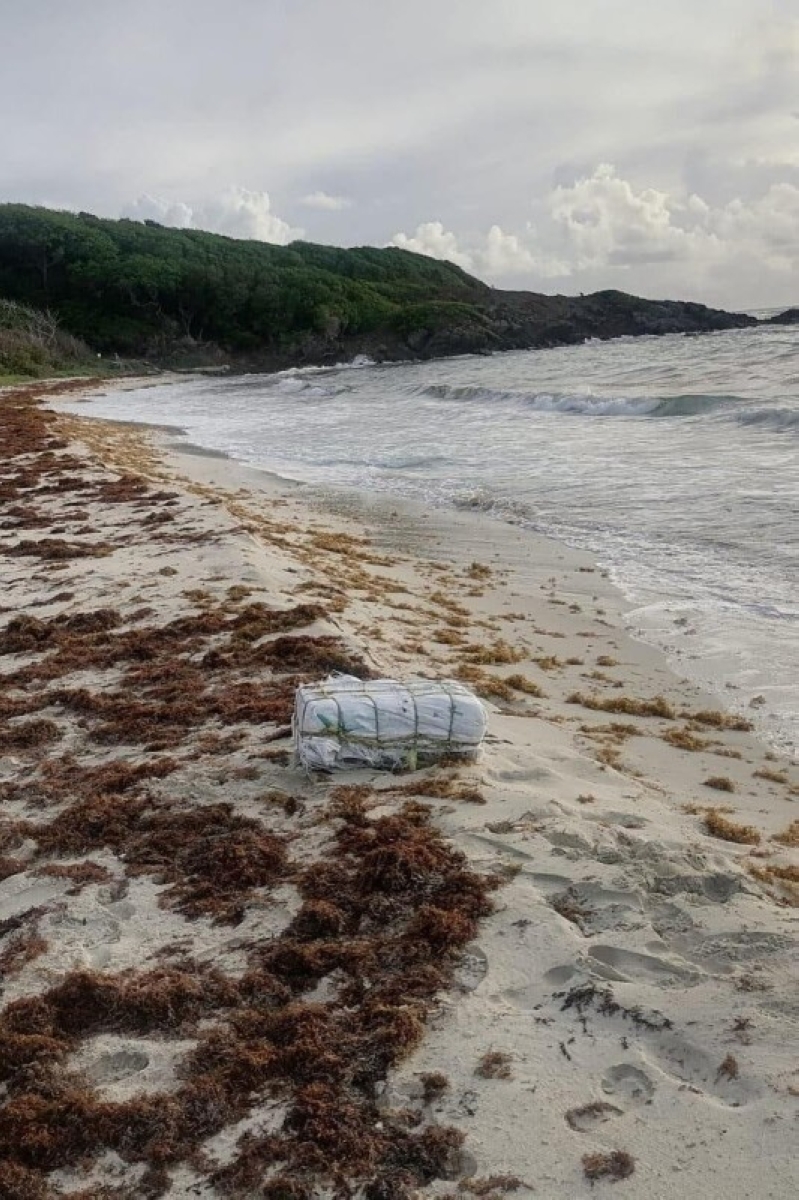
في عملية عسكرية نوعية، قصفت طائرة حربية أمريكية قاربًا سريعًا قرب سواحل جمهورية الدومينيكان، ما أدى إلى مقتل ثلاثة أشخاص، وتناثر مئات الطرود من الكوكايين في البحر الكاريبي. وكانت الطرود التي جرفتها الأمواج مغلفة بعناية وتحمل علامة تجارية ملفتة «MEN»، وكأنها منتج استهلاكي فاخر وليست سمًا قاتلاً.
الكوكايين يطفو على الشواطئ
في سانت فينسنت وجزر غرينادين، صُدم السكان حين عثرت الشرطة على طرود ملفوفة بالحبال، بعضها موضوع داخل أكياس تحمل ملصقات فيتامينات مزيفة من «الصناعة الكولومبية». في مشهد لم تعتده هذه الشواطئ السياحية من قبل، لكنه أصبح متكرراً مع تصاعد الحملات العسكرية في المنطقة.من البحر إلى الجو!
مع انتشار السفن الحربية في البحر الكاريبي، غيّرت عصابات التهريب إستراتيجياتها. وسجلت السلطات في ترينيداد وتوباغو ارتفاعًا ملحوظًا في عدد الرحلات الجوية غير القانونية القادمة من كولومبيا، والتي تقوم بإسقاط المخدرات في عرض البحر لالتقاطها لاحقًا من قبل يخوت وسفن تجارية ضخمة، يصعب على الرادارات تعقبها.تهريب في الخضار والفواكه
وفي جامايكا، بدأت العصابات بتهريب كميات أقل وأكثر تفرّقًا، وتكون غالبًا داخل شحنات طعام، لتقليل الخسائر عند المصادرة. وكشف ضابط في وحدة مكافحة المخدرات لصحيفة التلغفراف أن «الأساليب أصبحت أكثر خبثًا.. لم نعد نتحدث عن قوارب فقط، بل عن عمليات تنكر ذكية في شحنات تجارية».175 ألف كيلوغرام في عام
بحسب بيانات خفر السواحل الأمريكي، جرى ضبط نحو 193 طنًا من الكوكايين في عرض البحر خلال عام مالي واحد، ثلثها في الكاريبي. ومع تزايد الإنتاج الكولومبي يبدو أن «الكارتلات» تبحث عن طرق بديلة لتهريب هذه الكمية الضخمة إلى أسواق عالمية مثل أوروبا وأستراليا وجنوب إفريقيا.هل الضربات فعالة؟
منذ سبتمبر، أعلنت إدارة ترمب تدمير أربعة قوارب سريعة وقتل 21 شخصًا في عمليات جوية، ورغم تبرير ذلك بربط العصابات بـ«الإرهاب»، يحذر خبراء من انتهاك واضح للقانون الدولي. والأسوأ... أن غالبية الوفيات الناتجة عن تعاطي المخدرات في الولايات المتحدة تعود إلى الفنتانيل، وليس الكوكايين الذي يُهرّب عبر الكاريبي.نهاية سيطرة العصابات
لم تعد «كارتلات» المخدرات كيانات مركزية كما في عهد بابلو إسكوبار. فهي تقوم اليوم بتوزع المهمات بين جماعات متفرقة: من الزراعة، مرورا بالتخزين، وصولا إلى النقل، وحتى اللوجستيات. ويزيد هذا التفكك من صعوبة تفكيك الشبكات الإجرامية، ويمنحها مرونة تكتيكية أمام الضغوط العسكرية الأمريكية.المشهد الآن
عاد الكاريبي بقوة إلى خارطة التهريب العالمية، مدفوعًا بالإنتاج الزائد للكوكايين والطلب المرتفع في الأسواق الغربية، وبينما تتباهى واشنطن بالضربات الجوية، تتكيف العصابات وتواصل التهريب بطرق أذكى وأكثر مراوغة.
In a qualitative military operation, a U.S. warplane bombed a speedboat near the shores of the Dominican Republic, resulting in the deaths of three people and scattering hundreds of packages of cocaine in the Caribbean Sea. The packages, washed ashore, were carefully wrapped and bore a striking brand label "MEN," as if they were a luxury consumer product rather than a deadly poison.
Cocaine Washes Ashore
In Saint Vincent and the Grenadines, residents were shocked when police found packages wrapped in ropes, some placed inside bags bearing fake vitamin labels from "Colombian manufacturing." It was a scene that these tourist beaches had never witnessed before, but it has become more frequent with the escalation of military campaigns in the region.From Sea to Air!
With warships spreading across the Caribbean, smuggling gangs have changed their strategies. Authorities in Trinidad and Tobago have recorded a significant increase in the number of illegal flights coming from Colombia, which drop drugs in open waters to be later picked up by yachts and large commercial ships that are difficult for radars to track.Smuggling in Vegetables and Fruits
In Jamaica, gangs have started smuggling smaller and more dispersed quantities, often within food shipments, to minimize losses when seized. An officer in the anti-drug unit revealed to The Telegraph that "the methods have become more cunning... we are no longer just talking about boats, but about clever disguises in commercial shipments."175,000 Kilograms in a Year
According to data from the U.S. Coast Guard, approximately 193 tons of cocaine were seized at sea during a single fiscal year, a third of which was in the Caribbean. With Colombian production on the rise, it seems that the "cartels" are seeking alternative ways to smuggle this massive quantity into global markets such as Europe, Australia, and South Africa.Are the Strikes Effective?
Since September, the Trump administration has announced the destruction of four speedboats and the killing of 21 people in air operations, and despite justifying this by linking the gangs to "terrorism," experts warn of a clear violation of international law. Worse still... the majority of drug-related deaths in the United States are due to fentanyl, not the cocaine being smuggled through the Caribbean.The End of Gang Control
The drug "cartels" are no longer centralized entities as they were during Pablo Escobar's time. They now distribute tasks among scattered groups: from farming, through storage, to transportation, and even logistics. This fragmentation increases the difficulty of dismantling criminal networks and provides them with tactical flexibility against U.S. military pressures.The Scene Now
The Caribbean has powerfully returned to the global smuggling map, driven by excess cocaine production and high demand in Western markets. While Washington boasts about airstrikes, the gangs adapt and continue smuggling in smarter and more evasive ways.