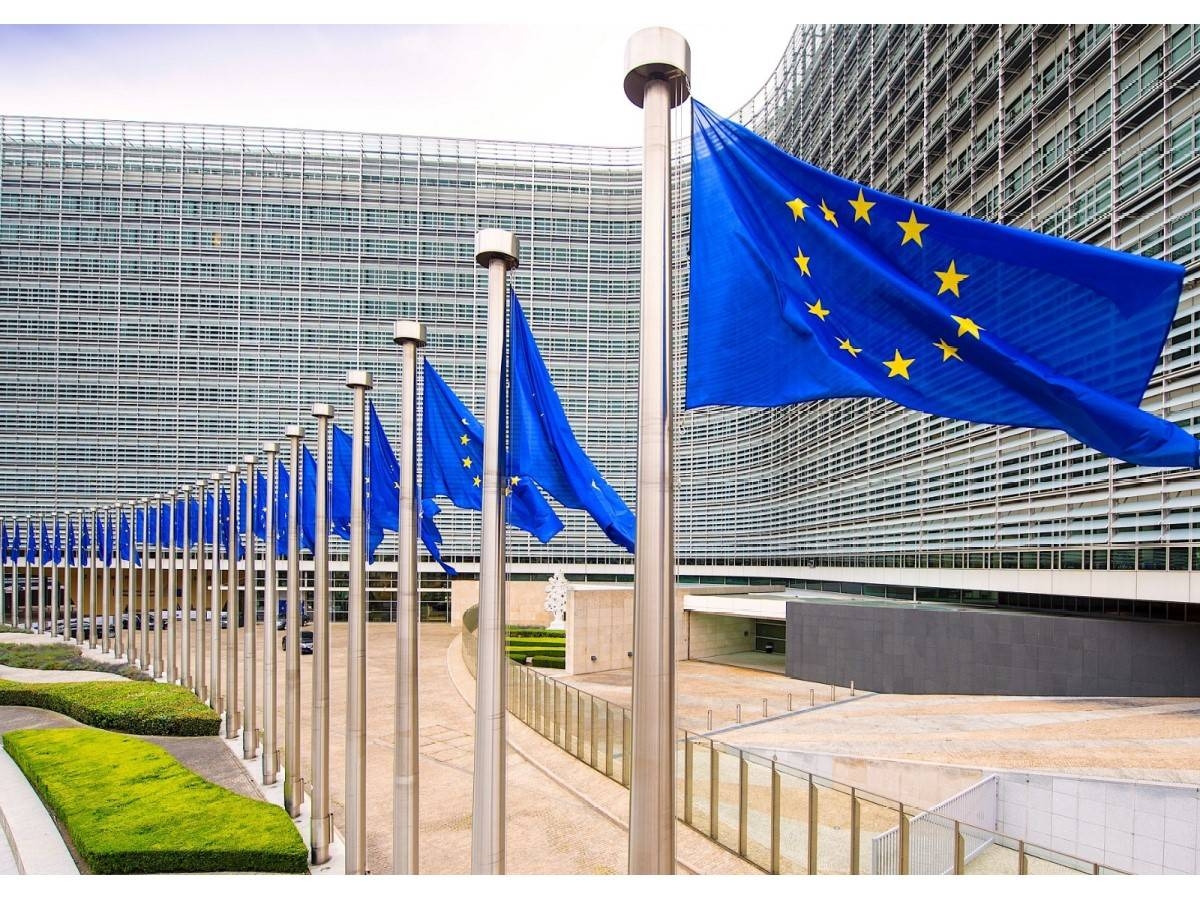
بدأت المفوضية الأوروبية، تحقيقا موسعا في مدى فعالية إجراءات حماية القُصّر على عدد من المنصات الرقمية الكبرى، من بينها «سناب شات» و«يوتيوب» ومتجرا تطبيقات «أبل» و«قوقل بلاي»، في إطار تطبيق قانون الخدمات الرقمية الأوروبي.
وطلبت المفوضية من تلك الشركات تقديم معلومات تفصيلية حول أنظمة التحقق من أعمار المستخدمين، والآليات التي تعتمدها لمنع القاصرين من الوصول إلى منتجات غير قانونية، مثل المخدرات والسجائر الإلكترونية، أو إلى محتويات قد تُعتبر ضارة نفسيا مثل المواد التي تروّج لاضطرابات الأكل.
وقالت النائبة التنفيذية لرئيسة المفوضية الأوروبية لشؤون السيادة التكنولوجية هينا فيركونين، إن المفوضية تعمل مع السلطات المحلية في الدول الأعضاء لتقييم مدى كفاية الإجراءات الحالية، مؤكدة أن الهدف هو ضمان بيئة رقمية أكثر أمانا للأطفال والمراهقين.
من جانبها، أوضحت شركة «قوقل» أنها تطبّق بالفعل ضوابط صارمة تضمن تقديم تجارب تناسب الفئات العمرية المختلفة، مشيرة إلى أنها توفر أدوات رقابة قوية للآباء، وتواصل التعاون مع المفوضية لتعزيز حماية المستخدمين الصغار.
ويُلزم قانون الخدمات الرقمية شركات الإنترنت الكبرى ببذل مزيد من الجهود للحد من المحتوى غير القانوني والضار، وضمان شفافية الخوارزميات وحماية المستخدمين، ولا سيما الأطفال، من المخاطر المرتبطة باستخدام المنصات الرقمية.
The European Commission has launched a wide-ranging investigation into the effectiveness of child protection measures on several major digital platforms, including "Snapchat," "YouTube," and the "Apple" and "Google Play" app stores, as part of the implementation of the European Digital Services Act.
The Commission has requested these companies to provide detailed information about their age verification systems and the mechanisms they employ to prevent minors from accessing illegal products, such as drugs and e-cigarettes, or content that may be considered psychologically harmful, such as material promoting eating disorders.
The Executive Vice-President of the European Commission for Technological Sovereignty, Vera Jourová, stated that the Commission is working with local authorities in member states to assess the adequacy of current measures, emphasizing that the goal is to ensure a safer digital environment for children and adolescents.
For its part, "Google" has clarified that it already implements strict controls to ensure age-appropriate experiences, noting that it provides robust parental control tools and continues to collaborate with the Commission to enhance the protection of young users.
The Digital Services Act requires major internet companies to make greater efforts to reduce illegal and harmful content, ensure algorithm transparency, and protect users, particularly children, from risks associated with using digital platforms.