في ربيع 2023، وبين كثبان صحراء النفود شمال السعودية، صُدم العامل صالح إدريس حين لمح رسومات باهتة على منحدر صخري. ولم يكن يدري حينها أنه أمام أقدم فن صخري لحيوانات بحجمها الطبيعي في الشرق الأوسط، وربما في العالم.
نقوش عصر ما بعد الجليد
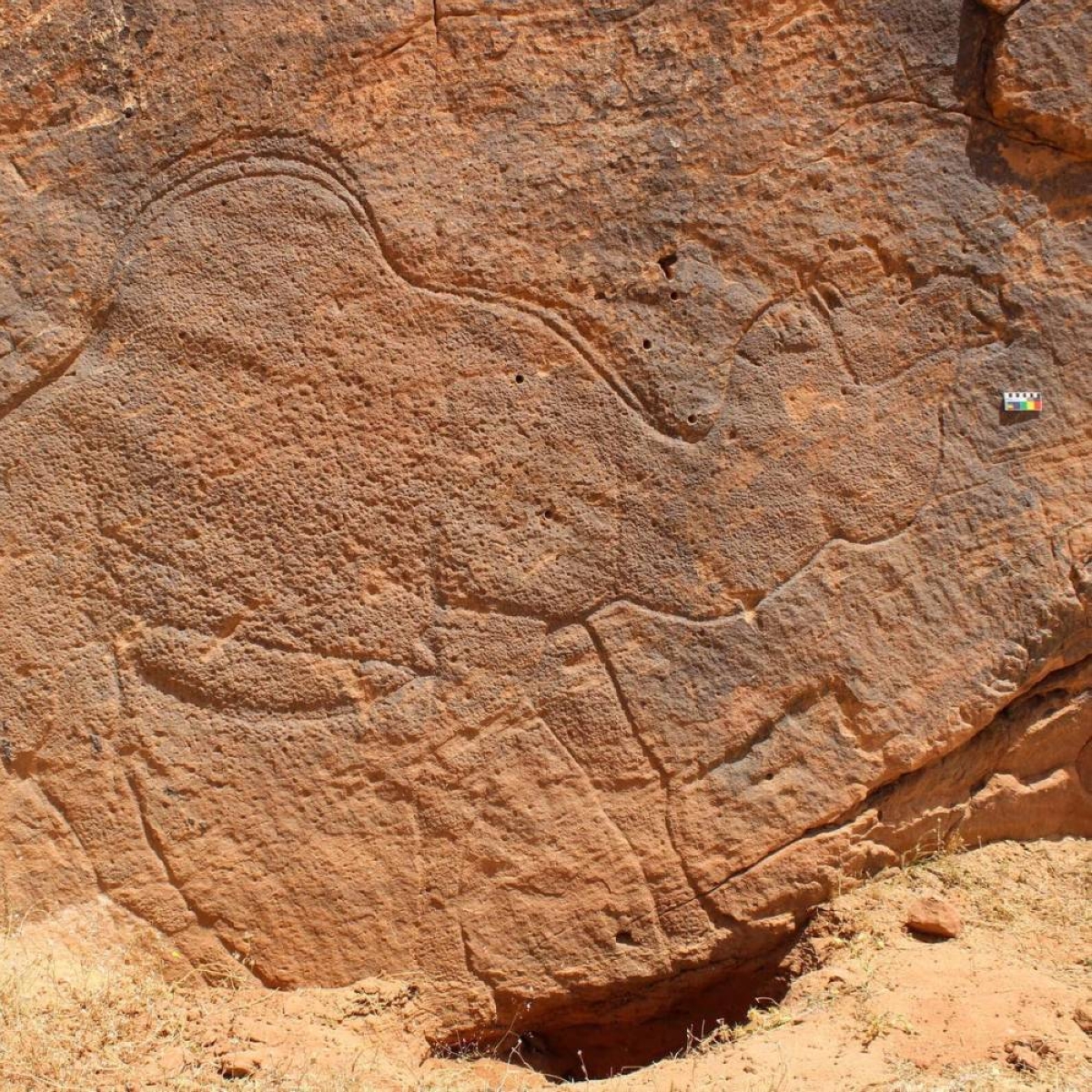
على ارتفاع 40 متراً بجبل «مِصْمَع»، وُجدت نقوش لـ19 جملاً وثلاثة حمير، تعود لأكثر من 12 ألف عام. وأعادت هذه النقوش الواقعية الضخمة تشكيل فهمنا لتاريخ الفن البشري في المنطقة، لتُصنّف بين أقدم وأندر الأعمال الفنية المعروفة حتى الآن.
ضوء الشمس يكشف السر
وبحسب الباحثة «ماريا غوانين» من معهد ماكس بلانك الألماني، لا تظهر هذه النقوش بوضوح إلا لمدة 90 دقيقة فقط في الصباح الباكر، حين تشرق الشمس بزوايا محددة وتُبرز ملامحها المخفية.
أدوات الإنسان القديم
إلى جانب النقوش، عُثر على أدوات نحت حجرية استخدمها الفنانون الأوائل في مواقع مجاورة مثل جبل «عرنان» وجبل «مليحة»، ضمن دائرة قطرها 30 كلم. وشمل الاكتشاف أيضاً رواسب تُشير إلى وجود مصادر مياه عذبة كانت تجذب السكان بعد العصر الجليدي.
أهمية عالمية استثنائية
وفقًا للدراسة المنشورة في مجلة Nature Communications، فإن هذا الموقع الأثري يمثل حلقة مفقودة في تاريخ الاستيطان البشري القديم، ويُظهر أن سكان المنطقة كانوا يمتلكون مهارات فنية وتنظيمية متقدمة جداً.
حضارة منسية
ويعتقد الباحثون أن هذه الرسومات الضخمة لم تكن مجرد زينة، بل كانت مرتبطة بمعتقدات أو طقوس جماعية، ما يعزز فرضية وجود مجتمعات متطورة فكرياً وفنياً في عمق الجزيرة العربية قبل آلاف السنين.
In the spring of 2023, amidst the dunes of the Nafud Desert in northern Saudi Arabia, worker Saleh Idris was shocked when he spotted faded drawings on a rocky slope. Little did he know at that moment that he was facing the oldest rock art of life-sized animals in the Middle East, and perhaps in the world.
Post-Ice Age Inscriptions
At an elevation of 40 meters on Mount "Misma," inscriptions of 19 camels and three donkeys were found, dating back more than 12,000 years. These massive realistic inscriptions have reshaped our understanding of the history of human art in the region, classifying them among the oldest and rarest known artworks to date.
Sunlight Reveals the Secret
According to researcher Maria Guanine from the Max Planck Institute in Germany, these inscriptions only appear clearly for 90 minutes in the early morning, when the sun rises at specific angles and highlights their hidden features.
Tools of Ancient Humans
Alongside the inscriptions, stone carving tools used by early artists were found at nearby sites such as Mount "Arnain" and Mount "Mleiha," within a 30 km radius. The discovery also included deposits indicating the presence of freshwater sources that attracted inhabitants after the Ice Age.
Exceptional Global Importance
According to the study published in the journal Nature Communications, this archaeological site represents a missing link in the history of ancient human settlement, demonstrating that the region's inhabitants possessed very advanced artistic and organizational skills.
A Forgotten Civilization
Researchers believe that these massive drawings were not merely decorative but were linked to beliefs or collective rituals, reinforcing the hypothesis of the existence of intellectually and artistically advanced communities deep in the Arabian Peninsula thousands of years ago.