


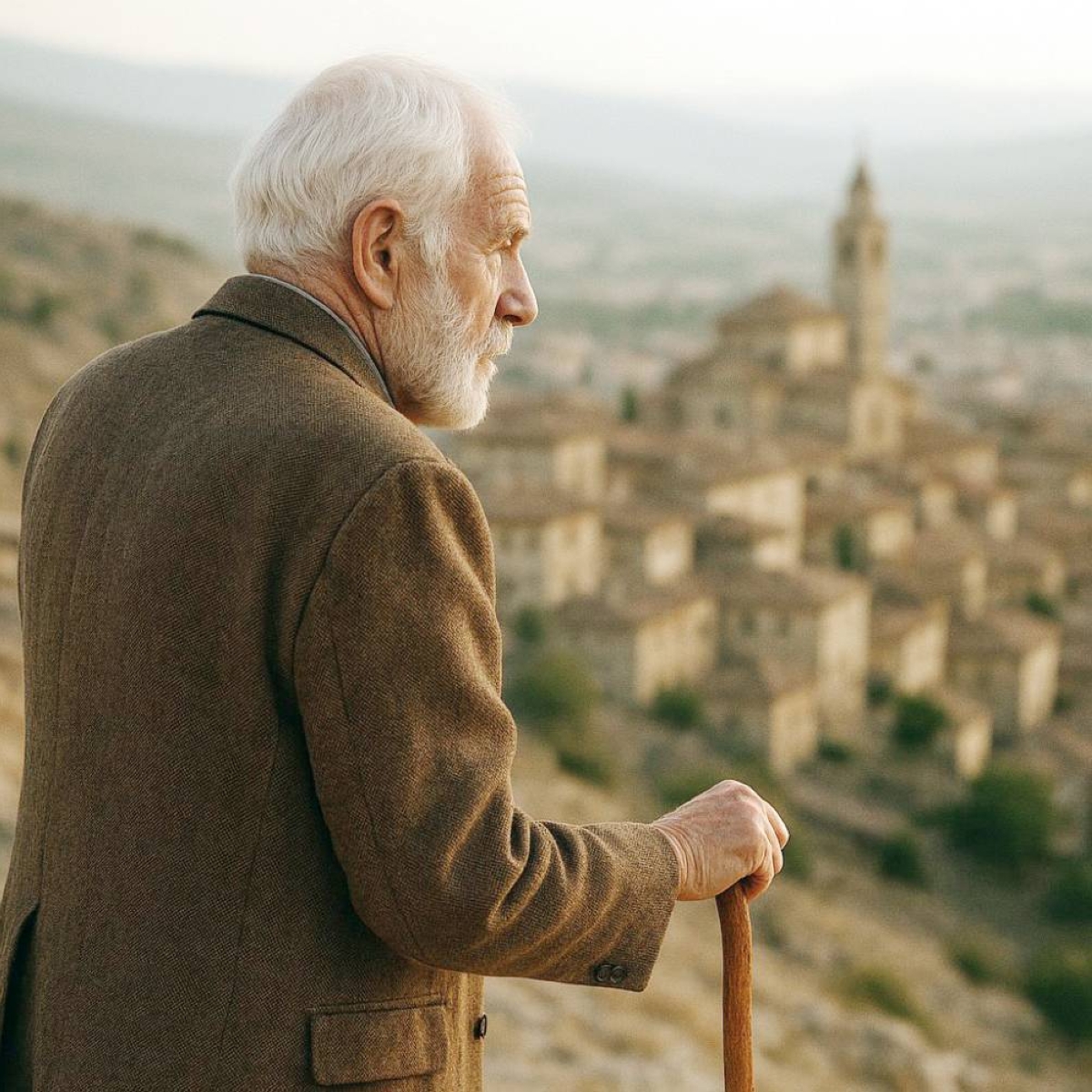
في اليوم العالمي للمُسنين، تتجسد إنسانية العالم في ملامحهم المشرقة كأنها قصائد تمشي على الأرض. وجوههم تشبه صفحات كتاب عتيق، نقرأ فيه ببطءٍ ونبجل كل سطر فيه.
ذلك البياض الذي يكسو الرؤوس ليس علامة شيخوخة وحسب، بل راية سلام رفعتها الأيام فوق جباههم، إعلاناً عن مسيرة طويلة انتصروا فيها على الخيبات والرحيل والفقد.
كبار السن هم ذاكرة إنسانيتنا الجماعية، المرايا التي تعكس ما كنّا عليه قبل أن نضيع في سرعة العصر. في عيونهم شيء من الطفولة التي لا تموت، يضحكون برفق، ويصمتون بحكمة، صاروا أحنّ من الأطفال، ويحتاجون إلى دفء يوازي برودة عزلتهم، وإلى صوت يسمعهم كما كانوا يسمعوننا ونحن نخطو أول الطريق.
رعايتهم ليست واجباً اجتماعياً فحسب، بل امتحان لضميرنا الإنساني.
فيديو: المسنون.. ذاكرة ممتلئة بالحنين والتأمل والألم
1 أكتوبر 2025 - 02:44
|
آخر تحديث 1 أكتوبر 2025 - 16:35


تابع قناة عكاظ على الواتساب
«عكاظ» (جدة) OKAZ_online@
On the International Day of Older Persons, the humanity of the world is embodied in their bright features as if they are poems walking on the earth. Their faces resemble the pages of an ancient book, which we read slowly and revere every line within it.
The whiteness that covers their heads is not just a sign of aging, but a flag of peace raised by the days above their foreheads, proclaiming a long journey in which they triumphed over disappointments, departures, and loss.
Older adults are the memory of our collective humanity, the mirrors that reflect what we were before we got lost in the speed of the era. In their eyes, there is something of the childhood that never dies; they laugh gently and remain silent with wisdom. They have become more tender than children and need warmth that matches the coldness of their isolation, and a voice that listens to them as they listened to us when we took our first steps.
Caring for them is not just a social duty, but a test of our human conscience.
The whiteness that covers their heads is not just a sign of aging, but a flag of peace raised by the days above their foreheads, proclaiming a long journey in which they triumphed over disappointments, departures, and loss.
Older adults are the memory of our collective humanity, the mirrors that reflect what we were before we got lost in the speed of the era. In their eyes, there is something of the childhood that never dies; they laugh gently and remain silent with wisdom. They have become more tender than children and need warmth that matches the coldness of their isolation, and a voice that listens to them as they listened to us when we took our first steps.
Caring for them is not just a social duty, but a test of our human conscience.


