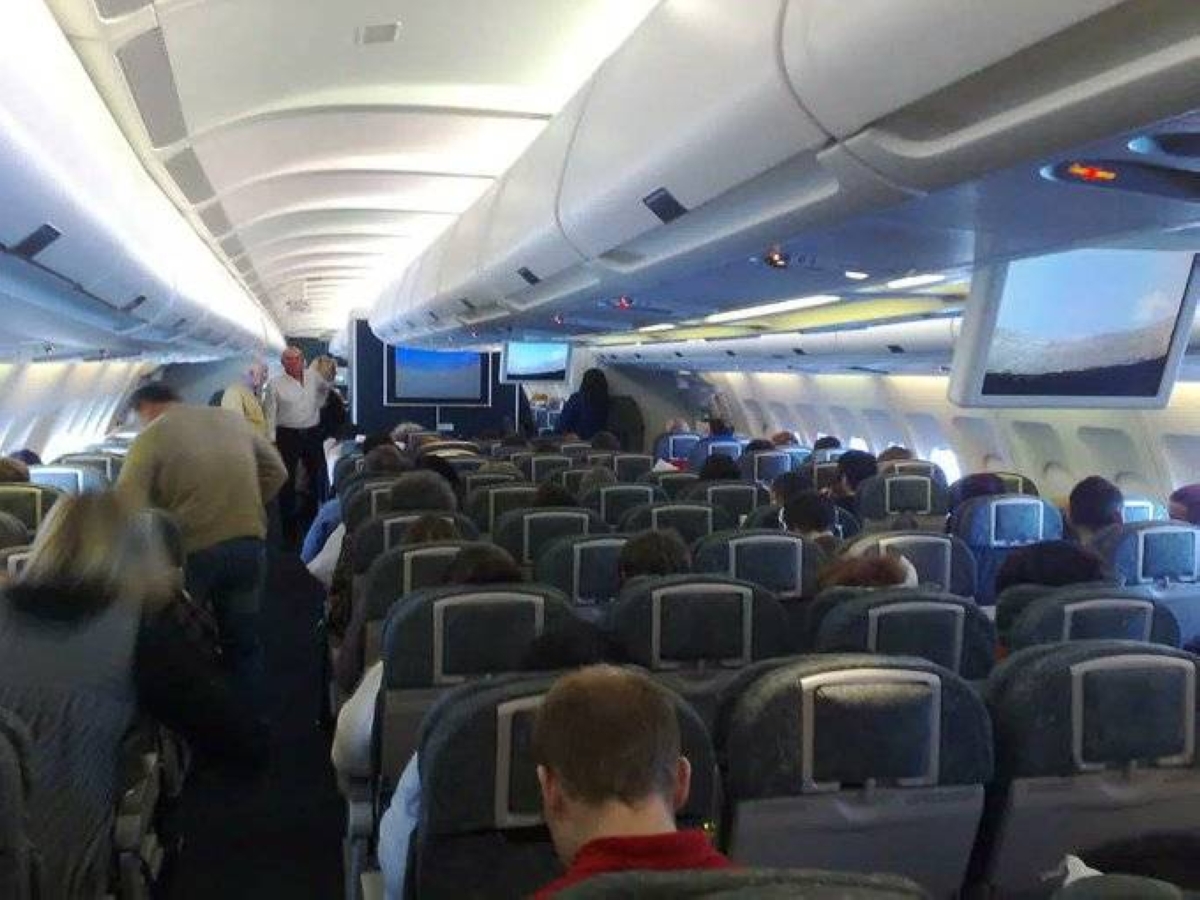
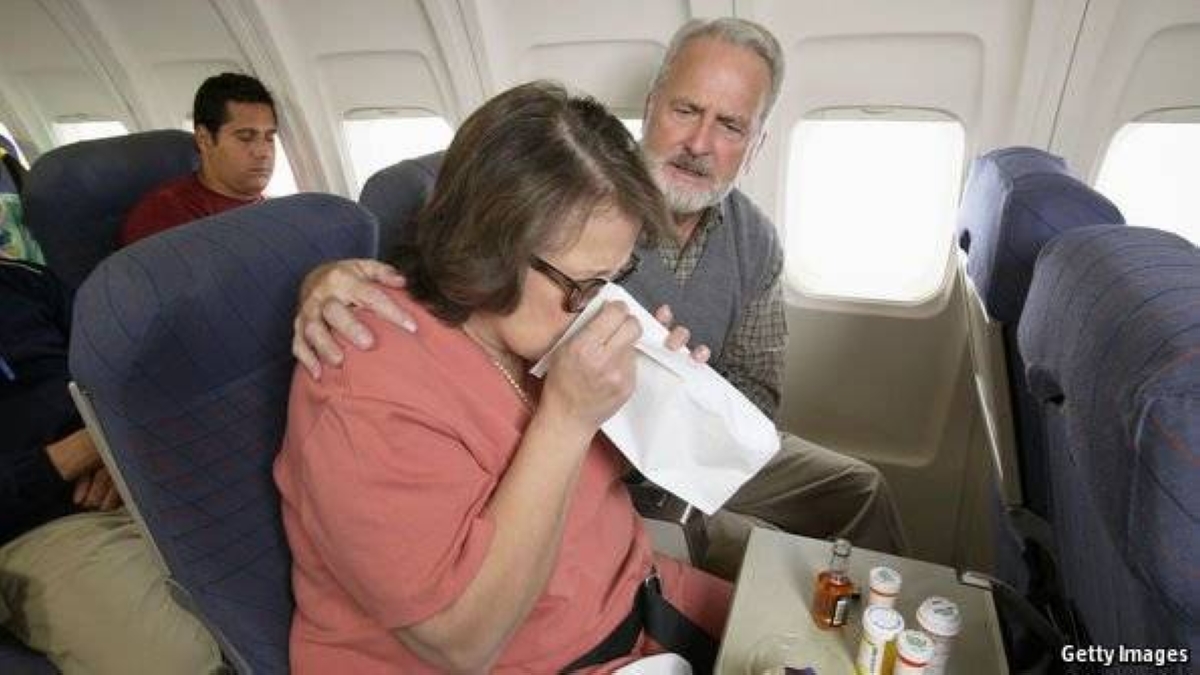
في زمن يتنقل فيه أكثر من 4.5 مليار مسافر جواً سنوياً، أصبحت الطوارئ الطبية على الرحلات أمراً لا مفر منه، لكن شركات الطيران الكبرى وجدت طريقة للتعامل معها بهدوء وكفاءة، بعيداً عن الإعلان التقليدي المربك: «هل هناك طبيب على متن الطائرة؟».
برامج طبية مبتكرة
أعلنت شركات لوفتهانزا، سويس إنترناشيونال، وأوستريان إيرلاينز عن توسيع برامجها للتطوع الطبي، التي تتيح تسجيل الأطباء والممرضين والمسعفين مسبقاً، إما عبر تطبيقات إلكترونية أو عبر علامات خاصة على الأمتعة لا تُكشف إلا للطاقم عند الحاجة.
الهدف هو استجابة أسرع وأكثر هدوءاً، إذ تشير بيانات لوفتهانزا إلى أن برنامجها «Doctor on Board»، الذي يضم أكثر من 100 ألف طبيب مسجل، قلل زمن التدخل في الطوارئ بنسبة 40%، مع تقديم حوافز للمشاركين مثل نقاط تدريبية ودورات في الطب الجوي.
أرقام تكشف حجم المشكلة
بحسب دراسة في مجلة نيو إنجلاند الطبية، يحدث طارئ طبي واحد كل 604 رحلات جوية، وتشمل أبرز الحالات: مشكلات القلب (40%)، الغثيان (25%)، والإغماء (15%). وعلى الرغم من أن طاقم الطائرة يتعامل مع 70% من هذه الحالات، فإن تدخل المتطوعين الطبيين غالباً ما يصنع الفرق بين الهبوط الاضطراري وإنقاذ الرحلة.
من الهلع إلى الطمأنينة
على مدى عقود، اعتمدت شركات الطيران على النداء العام لاستدعاء طبيب، وهو أسلوب غالباً ما يثير الذعر الجماعي ويضاعف الضغط على المريض والطاقم. لكن البرامج الحديثة قلبت المعادلة: الأطباء الآن موجودون مسبقاً ومجهزون، ما يحوّل الطائرة عملياً إلى غرفة إسعاف طائرة مجهزة بأجهزة الإنعاش القلبي وصناديق الأدوية الأساسية.
حماية قانونية وتشريعية
في الولايات المتحدة، يوفر قانون المساعدة الطبية الجوية لعام 1998 حماية للمتطوعين من المسؤولية القانونية، فيما طورت شركات مثل دلتا ويونايتد أنظمة تربط الطاقم بأطباء أرضيين عبر قنوات اتصال فورية. أما في كندا وأستراليا، فالمشاركة الطبية الطوعية تعتبر التزاماً أخلاقياً مع ضمان حماية قانونية موسعة.
In an era where more than 4.5 billion passengers travel by air annually, medical emergencies on flights have become inevitable. However, major airlines have found a way to handle them calmly and efficiently, away from the confusing traditional announcement: “Is there a doctor on board?”
Innovative Medical Programs
Lufthansa, Swiss International, and Austrian Airlines have announced the expansion of their medical volunteer programs, which allow doctors, nurses, and paramedics to register in advance, either through electronic applications or through special tags on luggage that are only revealed to the crew when needed.
The goal is a faster and calmer response, as Lufthansa's data indicates that its “Doctor on Board” program, which includes more than 100,000 registered doctors, has reduced emergency intervention time by 40%, while offering incentives for participants such as training points and courses in aeromedical training.
Numbers Reveal the Size of the Problem
According to a study in the New England Journal of Medicine, a medical emergency occurs once every 604 flights, with the most common cases being: heart problems (40%), nausea (25%), and fainting (15%). Although the flight crew handles 70% of these cases, the intervention of medical volunteers often makes the difference between an emergency landing and saving the flight.
From Panic to Assurance
For decades, airlines relied on public announcements to call for a doctor, a method that often incites mass panic and increases pressure on the patient and crew. However, modern programs have changed the equation: doctors are now pre-identified and equipped, effectively turning the aircraft into a flying ambulance equipped with resuscitation devices and essential medicine kits.
Legal and Legislative Protection
In the United States, the Air Medical Assistance Act of 1998 provides legal protection for volunteers from liability, while companies like Delta and United have developed systems that connect the crew with ground doctors through instant communication channels. In Canada and Australia, voluntary medical participation is considered a moral obligation with guaranteed extended legal protection.