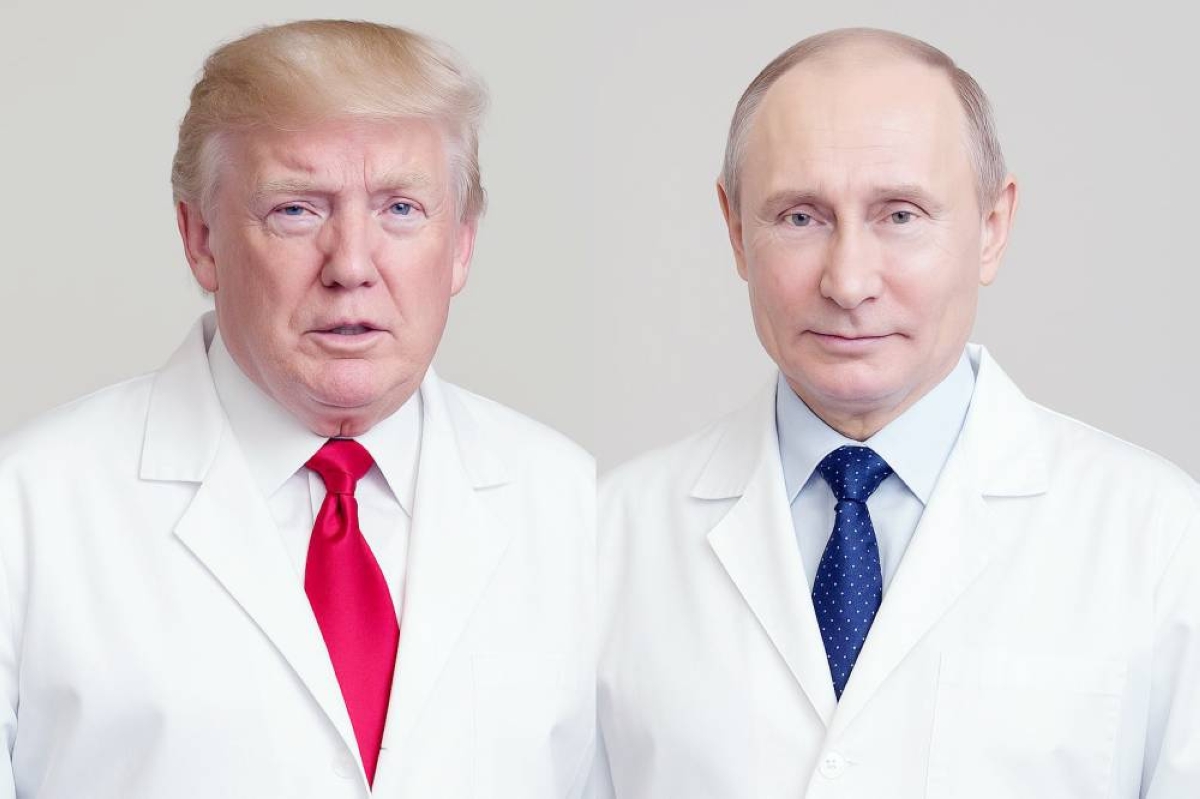
لم يعد الإعلان عن اكتشاف دواء جديد أو لقاح مبتكر محصوراً في المختبرات أو المجلات العلمية، بل أصبح مشهداً إعلامياً وسياسياً عالمياً تتسابق فيه الدول الكبرى لفرض حضورها واستعراض قدراتها العلمية. أحدث مثالين على ذلك ما جاء من موسكو وواشنطن أخيراً، إذ أعلنت روسيا عن لقاح جديد للسرطان، فيما بشّر الرئيس الأمريكي دونالد ترمب بعلاج للتوحد، لتشتعل سجالات علمية وصحية تكشف عن الوجه الآخر لتسييس الأدوية.
ففي موسكو، أعلن معهد «غماليا» عن لقاح يعتمد على تقنية MRNA أُطلق عليه اسم «Enteromix»، مؤكداً أنه حقق نتائج ما قبل سريرية مبشرة بنسبة فعالية عالية ضد بعض الأورام الصلبة. ورغم الضجة الإعلامية، حذّر علماء بارزون من التسرع في الاحتفاء بهذا الإنجاز قبل نشر نتائج المراحل السريرية في مجلات علمية محكمة، مشدّدين على أن فعالية اللقاح على البشر لم تثبت بعد، وأن البيانات المتاحة حتى الآن محدودة للغاية.
أما في واشنطن، فقد أثار ترمب جدلاً واسعاً حين ربط بين استخدام «الباراسيتامول» أثناء الحمل وزيادة خطر الإصابة بالتوحد، داعياً إلى تحديث التحذيرات على عبوات الدواء، وملوّحاً بعلاج جديد يدعى «ليوكوفورين» لعلاج حالات التوحد. هذه التصريحات قوبلت بتحفّظ شديد من الأوساط الطبية، إذ أكدت دراسات صادرة عن جامعات مثل ييل وهارفارد أن العلاقة بين «الباراسيتامول» والتوحد لا تزال ارتباطية وليست سببية، وأن تغيير التوصيات العلاجية بناء على بيانات غير حاسمة قد يضر بصحة الحوامل والمواليد.
المنظمات الصحية العالمية لم تتأخر في التعليق، فقد أوضحت منظمة الصحة العالمية، أن الأدلة الحالية «غير حاسمة» بشأن أي علاقة سببية بين «الباراسيتامول» والتوحد، بينما أكدت وكالة الأدوية الأوروبية أن الدواء ما زال آمناً للاستخدام عند الحاجة أثناء الحمل. هذه المواقف تعكس حرص الهيئات الدولية على منع تسييس القضايا الصحية وتأكيد أهمية الشفافية والاعتماد على الأدلة العلمية قبل اتخاذ قرارات قد تؤثر على الصحة العامة.
إن تصاعد هذه الإعلانات يطرح تساؤلات جوهرية: هل أصبحت الأدوية ساحة لتصفية الحسابات واستعراض القوة؟ ما نشهده اليوم يشي بأن العلم بات جزءاً من القوة الناعمة التي تستخدمها الدول الكبرى في سباق النفوذ، غير أن المعضلة الأخطر تكمن في أثر هذه السجالات على ثقة الناس بالعلم وعلى قراراتهم العلاجية. فكلما تحولت المختبرات إلى منصات دعائية، زاد خطر الإرباك وفقدان الثقة، وهو ما يستدعي دوراً فاعلاً للمنظمات الصحية الدولية لتثبيت الحقائق وحماية المعرفة العلمية من التسييس.
#بروفايل
هل تحولت الأدوية إلى سلاح للتراشق السياسي بين الدول الكبرى؟
25 سبتمبر 2025 - 01:28
|
آخر تحديث 25 سبتمبر 2025 - 01:28


تابع قناة عكاظ على الواتساب
«عكاظ» (جدة) OKAZ_online@
The announcement of a new drug or innovative vaccine is no longer confined to laboratories or scientific journals; it has become a global media and political spectacle in which major countries compete to assert their presence and showcase their scientific capabilities. The latest examples of this are what has come from Moscow and Washington recently, as Russia announced a new cancer vaccine, while U.S. President Donald Trump heralded a treatment for autism, igniting scientific and health debates that reveal the other side of the politicization of drugs.
In Moscow, the "Gamaliya" Institute announced a vaccine based on MRNA technology called "Enteromix," confirming that it achieved promising preclinical results with a high efficacy rate against certain solid tumors. Despite the media hype, prominent scientists warned against rushing to celebrate this achievement before the clinical trial results are published in peer-reviewed scientific journals, emphasizing that the vaccine's efficacy in humans has not yet been proven, and that the available data so far is extremely limited.
In Washington, Trump sparked widespread controversy when he linked the use of "paracetamol" during pregnancy to an increased risk of autism, calling for updates to the warnings on drug packaging, and hinting at a new treatment called "Leucovorin" for autism cases. These statements were met with significant caution from medical circles, as studies from universities such as Yale and Harvard confirmed that the relationship between "paracetamol" and autism remains correlational rather than causal, and that changing treatment recommendations based on inconclusive data could harm the health of pregnant women and newborns.
Global health organizations did not delay in commenting, as the World Health Organization clarified that current evidence is "inconclusive" regarding any causal relationship between "paracetamol" and autism, while the European Medicines Agency confirmed that the drug remains safe for use when necessary during pregnancy. These positions reflect the international bodies' commitment to preventing the politicization of health issues and emphasizing the importance of transparency and reliance on scientific evidence before making decisions that could affect public health.
The rise of these announcements raises fundamental questions: Have drugs become a battleground for settling scores and showcasing power? What we are witnessing today suggests that science has become part of the soft power that major countries use in the race for influence; however, the more dangerous dilemma lies in the impact of these debates on public trust in science and their treatment decisions. As laboratories turn into promotional platforms, the risk of confusion and loss of trust increases, which calls for an active role for international health organizations to establish facts and protect scientific knowledge from politicization.
In Moscow, the "Gamaliya" Institute announced a vaccine based on MRNA technology called "Enteromix," confirming that it achieved promising preclinical results with a high efficacy rate against certain solid tumors. Despite the media hype, prominent scientists warned against rushing to celebrate this achievement before the clinical trial results are published in peer-reviewed scientific journals, emphasizing that the vaccine's efficacy in humans has not yet been proven, and that the available data so far is extremely limited.
In Washington, Trump sparked widespread controversy when he linked the use of "paracetamol" during pregnancy to an increased risk of autism, calling for updates to the warnings on drug packaging, and hinting at a new treatment called "Leucovorin" for autism cases. These statements were met with significant caution from medical circles, as studies from universities such as Yale and Harvard confirmed that the relationship between "paracetamol" and autism remains correlational rather than causal, and that changing treatment recommendations based on inconclusive data could harm the health of pregnant women and newborns.
Global health organizations did not delay in commenting, as the World Health Organization clarified that current evidence is "inconclusive" regarding any causal relationship between "paracetamol" and autism, while the European Medicines Agency confirmed that the drug remains safe for use when necessary during pregnancy. These positions reflect the international bodies' commitment to preventing the politicization of health issues and emphasizing the importance of transparency and reliance on scientific evidence before making decisions that could affect public health.
The rise of these announcements raises fundamental questions: Have drugs become a battleground for settling scores and showcasing power? What we are witnessing today suggests that science has become part of the soft power that major countries use in the race for influence; however, the more dangerous dilemma lies in the impact of these debates on public trust in science and their treatment decisions. As laboratories turn into promotional platforms, the risk of confusion and loss of trust increases, which calls for an active role for international health organizations to establish facts and protect scientific knowledge from politicization.