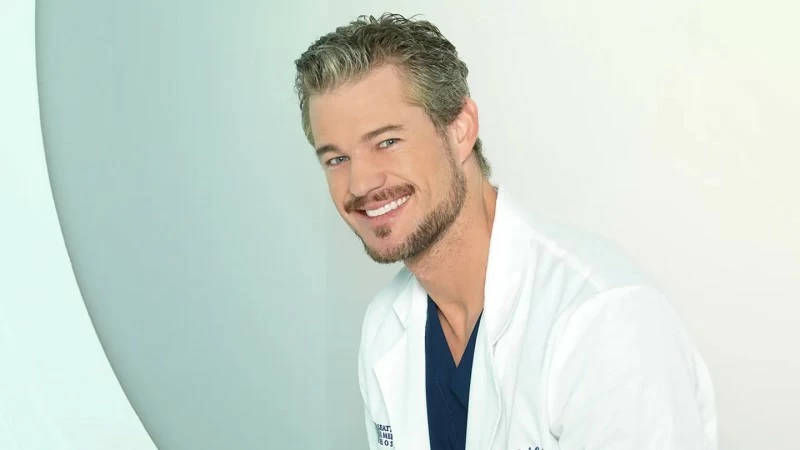
أثارت وفاة الممثل الأمريكي إريك داين، نجم مسلسل Grey's Anatomy، موجة من التساؤلات حول سرعة تطور مرض التصلب الجانبي الضموري (ALS) وحدّته.
وفاة إريك داين
وكان داين قد أعلن إصابته بالمرض في أبريل 2025، كاشفًا لاحقًا أن أولى الأعراض بدأت بضعف بسيط في يده اليمنى، قبل أن تتفاقم تدريجيًا خلال أسابيع.
المرض، المعروف أيضًا باسم «مرض لو غيريغ»، يُعد من الأمراض العصبية التنكسية النادرة والخطيرة، إذ يُشخَّص سنويًا لدى نحو 5 آلاف شخص في الولايات المتحدة، فيما يتراوح متوسط العمر المتوقع للمصابين بين عامين و5 أعوام، وفق بيانات جمعية التصلب الجانبي الضموري (ALS).
ما هو مرض التصلب الجانبي الضموري؟
التصلب الجانبي الضموري، أو Amyotrophic Lateral Sclerosis، هو مرض تدريجي يؤدي إلى فقدان الدماغ قدرته على التواصل مع العضلات، ما يسلب المريض تدريجيًا القدرة على الحركة والكلام والبلع والتنفس.
أبرز الأعراض
تشتمل أعراض مرض التصلب الجانبي الضموري على ضعف وتيبّس وتشنجات عضلية، غالبًا تبدأ في أحد الأطراف، إرهاق عام، رعشة عضلية، صعوبة في الكلام والبلع مع تقدم الحالة، تدهور القدرة على التنفس في المراحل المتقدمة.
وورغم تأثيره المدمر على الحركة، فإن المرض لا يؤثر على الحواس الخمس أو عضلات العين أو السيطرة على المثانة، كما يبقى كثير من المرضى في كامل وعيهم وإدراكهم الذهني طوال فترة المرض.
وعادة ما يتم تشخيص المرض بين سن 40 و70 عامًا، ويعيش نحو 20% من المرضى أكثر من 5 سنوات، بينما لا تتجاوز نسبة من يعيشون أكثر من 20 عامًا 5%.
كيف يتم التشخيص والعلاج؟
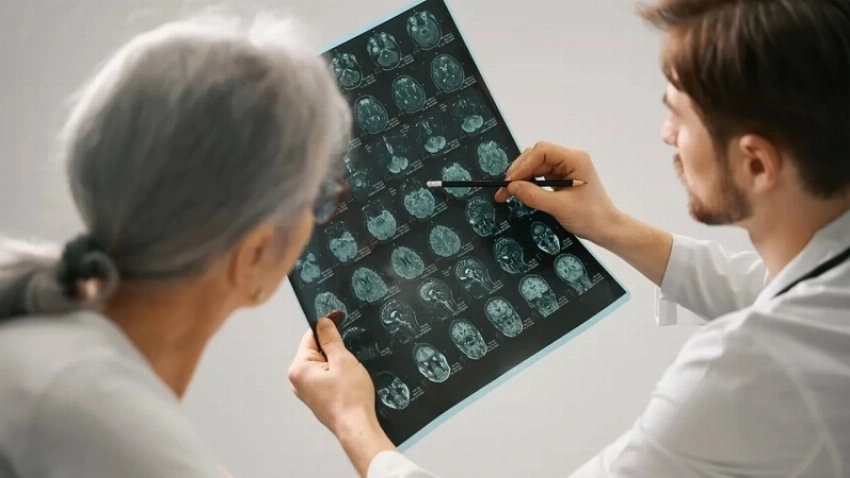
يُشخَّص المرض غالبًا عبر طبيب أعصاب باستخدام تخطيط كهربية العضلات (EMG)، إلى جانب فحوصات الدم والبول، والتصوير بالرنين المغناطيسي، والبزل القطني، وخزعات العضلات والأعصاب.
ولا يوجد حتى الآن علاج شافٍ يوقف تطور المرض، غير أن بعض العلاجات تساعد على إبطاء تقدمه وتخفيف الأعراض.
أسباب المرض
بحسب خبراء، فإن نحو 10% من الحالات تعود إلى عوامل وراثية، بينما تبقى 90% من الإصابات دون سبب جيني واضح، ما يفتح الباب أمام فرضيات تتعلق بعوامل بيئية أو سموم محتملة.
ويشير مختصون إلى أن المرض يبدأ غالبًا في جانب واحد من الجسم قبل أن ينتشر تدريجيًا، مؤثرًا على الأطراف ثم الكلام والبلع وأخيرًا عضلة الحجاب الحاجز المسؤولة عن التنفس.
جهود بحثية متصاعدة
ورغم الطابع السريع لتطور المرض في معظم الحالات، فإن الأبحاث تتقدم نحو تطوير علاجات أكثر تخصيصًا لكل مريض، وتُقدَّر كلفة تطوير دواء قادر على إبطاء أو وقف تقدم المرض بنحو ملياري دولار، فيما تبلغ التكلفة السنوية التقديرية للرعاية نحو 250 ألف دولار للمريض الواحد.
وشهد تمويل أبحاث «ALS» دفعة قوية منذ تحدي «دلو الثلج» الشهير عام 2014، الذي دعمته جمعية التصلب الجانبي الضموري، ونجح في جمع 115 مليون دولار خُصصت للأبحاث ورعاية المرضى.
وقد أُشيد بشجاعة إريك داين في مواجهة المرض، حيث شارك في دعم مبادرات بحثية جديدة، مطالبًا بتخصيص تمويل حكومي كبير لدعم الجهود الرامية لإيجاد علاج فعال.
برحيله، يعود مرض التصلب الجانبي الضموري إلى دائرة الضوء، مذكّرًا العالم بضرورة تكثيف الجهود العلمية والإنسانية لمواجهة أحد أكثر الأمراض العصبية قسوة.
The death of American actor Eric Dane, star of the series Grey's Anatomy, has raised a wave of questions about the rapid progression and severity of amyotrophic lateral sclerosis (ALS).
Eric Dane's Death
Dane announced his diagnosis with the disease in April 2025, later revealing that the first symptoms began with slight weakness in his right hand, which gradually worsened over the weeks.
The disease, also known as "Lou Gehrig's disease," is considered one of the rare and severe neurodegenerative disorders, with approximately 5,000 people diagnosed annually in the United States. The average life expectancy for those affected ranges from two to five years, according to data from the ALS Association.
What is Amyotrophic Lateral Sclerosis?
Amyotrophic lateral sclerosis, or ALS, is a progressive disease that leads to the brain's loss of ability to communicate with the muscles, gradually robbing the patient of the ability to move, speak, swallow, and breathe.
Key Symptoms
Symptoms of amyotrophic lateral sclerosis include weakness, stiffness, and muscle spasms, often starting in one limb, general fatigue, muscle twitching, and difficulty speaking and swallowing as the condition progresses, along with a decline in breathing ability in the advanced stages.
Despite its devastating impact on movement, the disease does not affect the five senses, eye muscles, or bladder control, and many patients remain fully aware and mentally alert throughout the course of the illness.
The disease is typically diagnosed between the ages of 40 and 70, with about 20% of patients living more than five years, while only about 5% live more than 20 years.
How is it Diagnosed and Treated?
The disease is often diagnosed by a neurologist using electromyography (EMG), along with blood and urine tests, magnetic resonance imaging (MRI), lumbar puncture, and muscle and nerve biopsies.
Currently, there is no curative treatment that halts the disease's progression, although some treatments help slow its advancement and alleviate symptoms.
Causes of the Disease
According to experts, about 10% of cases are attributed to genetic factors, while 90% of cases have no clear genetic cause, opening the door to hypotheses related to environmental factors or potential toxins.
Specialists indicate that the disease often begins on one side of the body before gradually spreading, affecting the limbs, then speech and swallowing, and finally the diaphragm muscle responsible for breathing.
Increasing Research Efforts
Despite the rapid progression of the disease in most cases, research is advancing towards developing more personalized treatments for each patient, with the estimated cost of developing a drug capable of slowing or halting the disease's progression around two billion dollars, while the estimated annual cost of care is about $250,000 per patient.
Funding for ALS research received a significant boost since the famous "Ice Bucket Challenge" in 2014, supported by the ALS Association, which successfully raised $115 million dedicated to research and patient care.
Eric Dane's courage in facing the disease has been praised, as he participated in supporting new research initiatives, calling for significant government funding to support efforts aimed at finding an effective treatment.
With his passing, amyotrophic lateral sclerosis returns to the spotlight, reminding the world of the need to intensify scientific and humanitarian efforts to confront one of the most brutal neurological diseases.