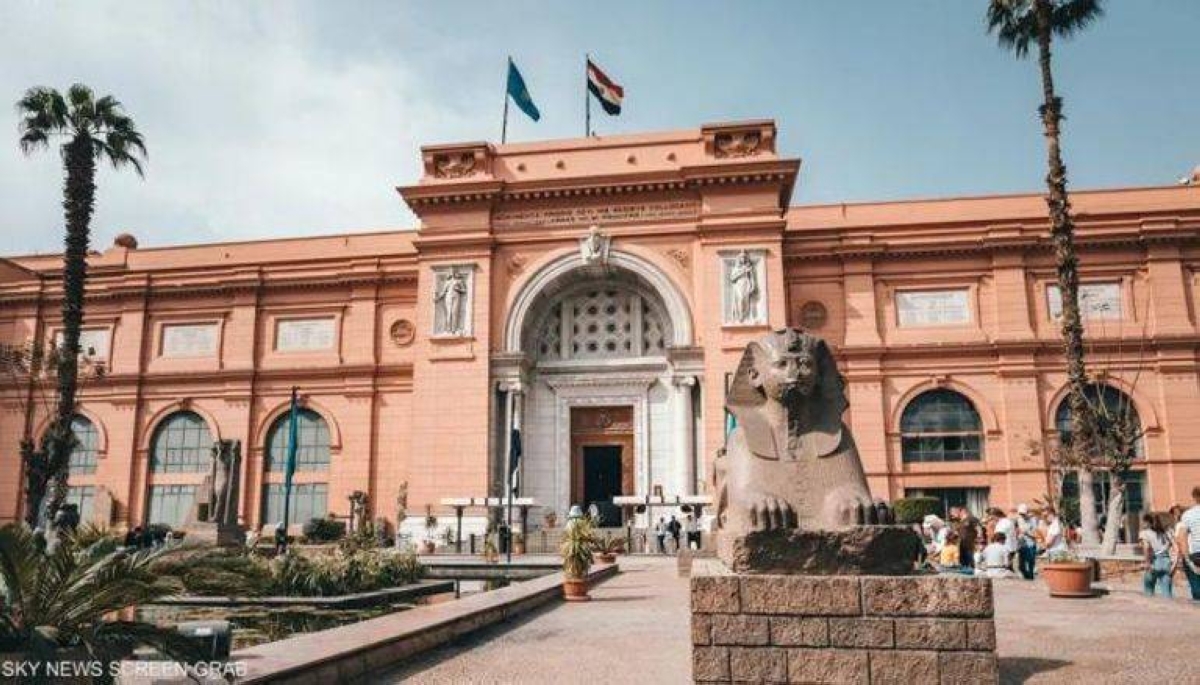
أثار اختفاء سوار ذهبي نادرة يعود للملك بسوسنس الأول، أحد ملوك الأسرة الـ21، من مخازن قسم الترميم بالمتحف المصري بالتحرير حالة من القلق الشديد في الأوساط الأثرية المصرية.
وكشفت تقارير إعلامية محلية أن الجهات المختصة بدأت تحقيقات موسعة لكشف ملابسات الواقعة التي وصفت بـ«الكارثة الأثرية»، وسط تساؤلات حول إجراءات الحفاظ على الكنوز الأثرية.
ووفقا لتقارير محلية تم اكتشاف اختفاء السوار، الذي يبلغ وزنه 600 غرام ويُعد من التحف النادرة المكتشفة في مقبرة بسوسنس الأول بمنطقة تانيس عام 1940، خلال جرد روتيني أجري الأربعاء الماضي.
وكانت القطعة مُعدة لنقلها إلى إيطاليا ضمن معرض أثري دولي، كما أن السوار كان تحت عهدة مسؤولي قسم الترميم، لكن معامل الترميم تفتقر إلى كاميرات مراقبة، ما أثار جدلا حول إجراءات الأمان.
تحقيقات مكثفة وإجراءات أمنية مشددة
أكدت الجهات المختصة أن التحقيقات جارية على قدم وساق، وتم التحفظ على جميع الأشخاص الذين لهم صلة مباشرة بالقطعة، بمن في ذلك موظفو الترميم، مع مصادرة هواتفهم المحمولة لفحصها.
كما تشمل التحقيقات مراجعة كاميرات المراقبة في محيط قسم الترميم للبحث عن أي دليل قد يكشف مصير السوار، وأوضح مسؤول بالمتحف أن السوار مسجل رسميا، ما يجعل استرجاعه مسألة وقت، سواء عاجلا أو آجلا.
قيمة أثرية لا تُقدر بثمن
وصف خبير آثار، رفض الكشف عن هويته، السوار بأنه تحفة فنية لا تقل قيمة عن قناع توت عنخ آمون، مشيرا إلى أن اختفاءه يُعد كارثة وطنية تستدعي مساءلة جميع المسؤولين.
ويُعد السوار جزءا من كنوز مقبرة بسوسنس الأول، التي اكتشفها عالم المصريات الفرنسي بيير مونتيه، وهي إحدى المقابر القليلة التي وصلت سليمة نسبيا، على غرار مقبرة توت عنخ آمون.
وأشار المستشار الإعلامي باتحاد الأثريين المصريين محمد طاهر، إلى أن السوار كان معروضا سابقا في قاعة ذهب 3 بالمتحف، ويمثل قيمة تاريخية وفنية استثنائية كونه يعود إلى الملك الفضي بسوسنس الأول، الذي حكم مصر في فترة الانقسام السياسي بين الشمال والجنوب.
بسوسنس الأول.. ملك الكنوز والغموض
يُعد بسوسنس الأول (1047-1001 ق.م) أحد أبرز ملوك الأسرة الـ21، وقد حكم من مدينة تانيس (صان الحجر) في الدلتا.
عُرف بلقب النجم الذي يظهر في طيبة، واستطاع تعزيز سلطته عبر تحالفات سياسية، منها زواجه من ابنة الكاهن الأكبر لآمون.
وتُظهر مقبرته، التي تضم كنوزا مثل القناع الجنائزي الذهبي والفضي، براعة الحرفيين في تلك الفترة التي كانت تُوصف بـ«العصر المظلم».
The disappearance of a rare golden bracelet belonging to King Bsusnes I, one of the rulers of the 21st dynasty, from the storage of the restoration department at the Egyptian Museum in Tahrir has caused significant concern within Egyptian archaeological circles.
Local media reports revealed that the relevant authorities have begun extensive investigations to uncover the circumstances of the incident, which has been described as an "archaeological disaster," amid questions about the procedures for preserving archaeological treasures.
According to local reports, the disappearance of the bracelet, which weighs 600 grams and is considered one of the rare artifacts discovered in the tomb of Bsusnes I in the Tanis area in 1940, was discovered during a routine inventory conducted last Wednesday.
The piece was prepared for transport to Italy as part of an international archaeological exhibition, and the bracelet was under the custody of the restoration department officials. However, the restoration labs lack surveillance cameras, raising concerns about security measures.
Intensive Investigations and Tight Security Measures
The relevant authorities confirmed that investigations are ongoing, and all individuals with direct connections to the piece, including restoration staff, have been detained, with their mobile phones confiscated for examination.
The investigations also include reviewing surveillance cameras in the vicinity of the restoration department to search for any evidence that may reveal the fate of the bracelet. A museum official stated that the bracelet is officially registered, making its recovery a matter of time, whether sooner or later.
Invaluable Archaeological Value
An archaeologist, who requested to remain anonymous, described the bracelet as a work of art that is no less valuable than the mask of Tutankhamun, noting that its disappearance constitutes a national disaster that warrants accountability for all responsible parties.
The bracelet is part of the treasures of the tomb of Bsusnes I, which was discovered by the French Egyptologist Pierre Montet, and it is one of the few tombs that remained relatively intact, similar to the tomb of Tutankhamun.
Mohamed Taher, the media advisor for the Egyptian Antiquities Union, pointed out that the bracelet was previously displayed in the Gold Hall 3 of the museum and represents exceptional historical and artistic value as it belongs to the silver king Bsusnes I, who ruled Egypt during a period of political division between the north and south.
Bsusnes I.. The King of Treasures and Mystery
Bsusnes I (1047-1001 BC) is considered one of the most prominent kings of the 21st dynasty, having ruled from the city of Tanis (San al-Hajar) in the Delta.
He was known by the title "the star that appears in Thebes," and he managed to strengthen his authority through political alliances, including his marriage to the daughter of the high priest of Amun.
His tomb, which contains treasures such as the golden and silver funerary mask, showcases the craftsmanship of that period, which was described as the "dark age."