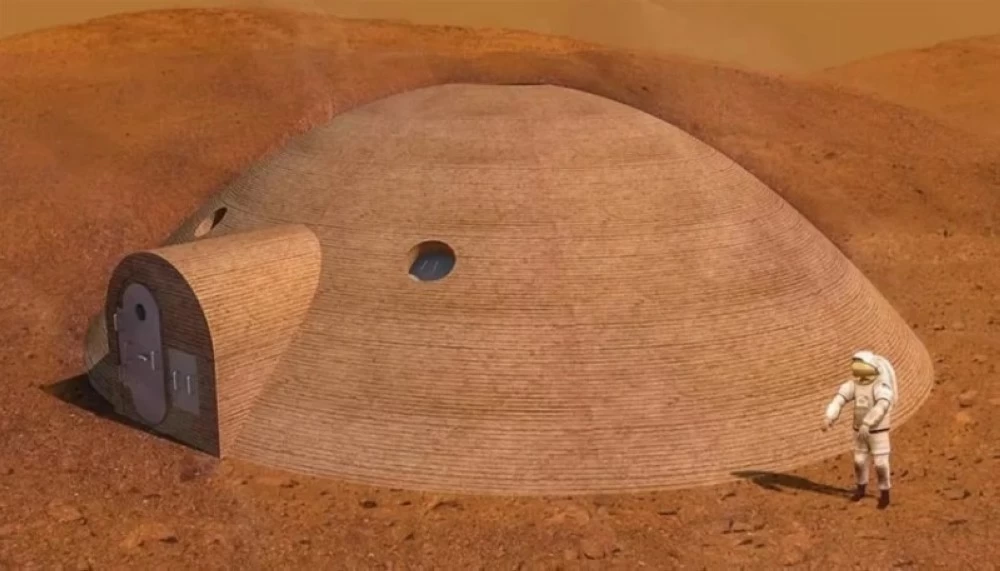
يقترب علماء الفضاء خطوة جديدة نحو جعل المريخ موطناً للبشر، لكن هذه المرة ليست الصواريخ أو الروبوتات هي البطلة، بل كائنات دقيقة من البكتيريا. باحثون من جامعة البوليتكنيك في ميلانو بإيطاليا ابتكروا تقنية تعتمد على تحويل تربة المريخ إلى مادة بناء صلبة باستخدام نظام ميكروبي ثنائي، يحقق الاكتفاء الذاتي للبنية التحتية على الكوكب الأحمر.
وأكد الفريق العلمي أن نقل مواد البناء من الأرض يكلف ملايين الدولارات، ويعد غير عملي في ظل الظروف القاسية للمريخ، مثل الغلاف الجوي الرقيق والإشعاع الكوني المستمر. لكن الحل وفقاً للباحثين يكمن في ما يعرف بالتمعدن الحيوي، وهي عملية طبيعية تقوم فيها البكتيريا والفطريات بتحويل المعادن إلى مواد متينة، تماماً كما شكلت هذه الكائنات تضاريس الأرض على مدى مليارات السنين.
يتمحور هذا النظام حول بكتيريا Chroococcidiopsis التي تتحمل درجات الحرارة المنخفضة والإشعاع الشديد، وتنتج الأكسجين وتحمي شريكتها بمادة لزجة، بينما تتولى Sporosarcina pasteurii إنتاج كربونات الكالسيوم التي تربط جزيئات التربة ببعضها لتكوين كتلة صلبة تشبه الخرسانة.
ويتيح هذا التعاون البيولوجي نظاماً مستداماً، إذ يمكن استغلال الأكسجين الناتج لدعم حياة رواد الفضاء وإعادة توجيه المواد الثانوية مثل الأمونيا للزراعة المريخية. ورغم تأجيل إعادة عينات حقيقية من تربة المريخ لإجراء التجارب النهائية، يرى العلماء أن هذه الخطوة تمثل بداية حقيقية لاستيطان الإنسان على الكوكب الأحمر، مستفيدين من أقدم أشكال الحياة على الأرض.
Space scientists are taking a new step towards making Mars a home for humans, but this time it is not rockets or robots that are the heroes, but microscopic organisms from bacteria. Researchers from the Polytechnic University of Milan in Italy have developed a technique that relies on transforming Martian soil into solid building material using a dual microbial system, achieving self-sufficiency for infrastructure on the red planet.
The scientific team confirmed that transporting building materials from Earth costs millions of dollars and is impractical given the harsh conditions on Mars, such as the thin atmosphere and continuous cosmic radiation. However, the solution, according to the researchers, lies in what is known as biomineralization, a natural process where bacteria and fungi convert minerals into durable materials, just as these organisms have shaped the Earth's landscapes over billions of years.
This system revolves around the bacteria Chroococcidiopsis, which can withstand low temperatures and high radiation, producing oxygen and protecting its partner with a sticky substance, while Sporosarcina pasteurii produces calcium carbonate that binds soil particles together to form a solid mass resembling concrete.
This biological collaboration allows for a sustainable system, as the oxygen produced can be utilized to support the lives of astronauts and redirect by-products like ammonia for Martian agriculture. Although the return of actual Martian soil samples for final experiments has been delayed, scientists believe that this step represents a real beginning for human settlement on the red planet, benefiting from the oldest forms of life on Earth.