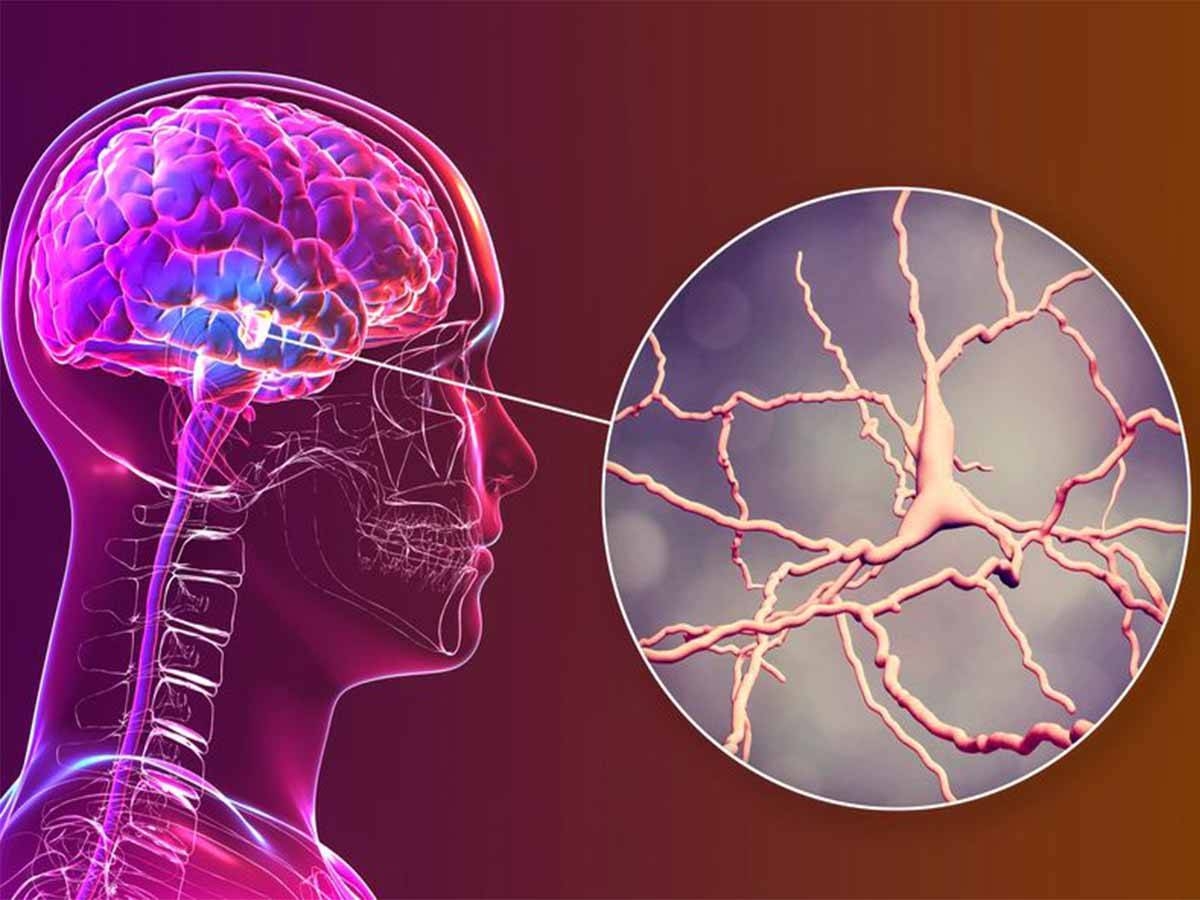
طور علماء أمريكيون من جامعة «كاليفورنيا» بولاية سان فرانسيسكو، غرسة دماغية قادرة على التعرف على لحظات الألم المزمن ومكافحتها فورا عبر التحفيز العميق للدماغ وإعادة النشاط للمرضى المصابين.
ويصيب الألم المزمن نحو 20 % من الأمريكيين، وغالبا ما يقاوم العلاج التقليدي بسبب تغيرات معقدة في الشبكات العصبية الدماغية، وذلك عكس التحفيز العميق التقليدي الذي يستهدف منطقة دماغية واحدة لجميع المرضى.
ووجد العلماء أن الأقطاب الكهربائية قامت بتحفيز 14 منطقة دماغية على مدى 10 أيام، وأن التكنولوجيا الجديدة تختار نقاط التأثير وتردد النبضات بشكل فردي استنادا إلى مراقبة النشاط الدماغي لكل مريض، وقد خضعت الغرسة لاختبارات متعددة المراحل: في البداية، سجلت الأقطاب الكهربائية النشاط على مدى 10 أيام وجربت أنماط مختلفة من التحفيز، ثم تم تركيب غرسات دائمة تشتغل عند اكتشاف الألم وتتوقف أثناء النوم.
وتوصل الباحثون إلى أن الغرسة الدماغية المطورة من خلالها تم تحديد المناطق الأمثل وتردد التحفيز الأنسب لتوفير أكبر قدر من الراحة للمشاركين، وخفض التحفيز الحقيقي لشدة الألم بنسبة 50 % في المتوسط، بينما زاد التحفيز الوهمي الألم بنسبة 11 %.
وتعد هذه الطريقة الحديثة طفرة حقيقية لملايين الأشخاص الذين يعانون من آلام مزمنة، وفتحا لآفاق جديدة في مجال التحفيز العصبي ومكافحة آثار الألم.
American scientists from the University of California, San Francisco, have developed a brain implant capable of recognizing moments of chronic pain and combating them immediately through deep brain stimulation and restoring activity for affected patients.
Chronic pain affects about 20% of Americans and often resists traditional treatment due to complex changes in brain neural networks, unlike traditional deep stimulation that targets a single brain area for all patients.
The scientists found that the electrodes stimulated 14 brain areas over 10 days, and the new technology selects impact points and pulse frequencies individually based on monitoring each patient's brain activity. The implant underwent multiple stages of testing: initially, the electrodes recorded activity over 10 days and tested different stimulation patterns, then permanent implants were installed that activate upon detecting pain and stop during sleep.
The researchers concluded that the developed brain implant identified the optimal areas and the most suitable stimulation frequency to provide the greatest comfort to participants, reducing actual pain intensity by an average of 50%, while sham stimulation increased pain by 11%.
This modern method represents a real breakthrough for millions of people suffering from chronic pain and opens new horizons in the field of neural stimulation and combating the effects of pain.