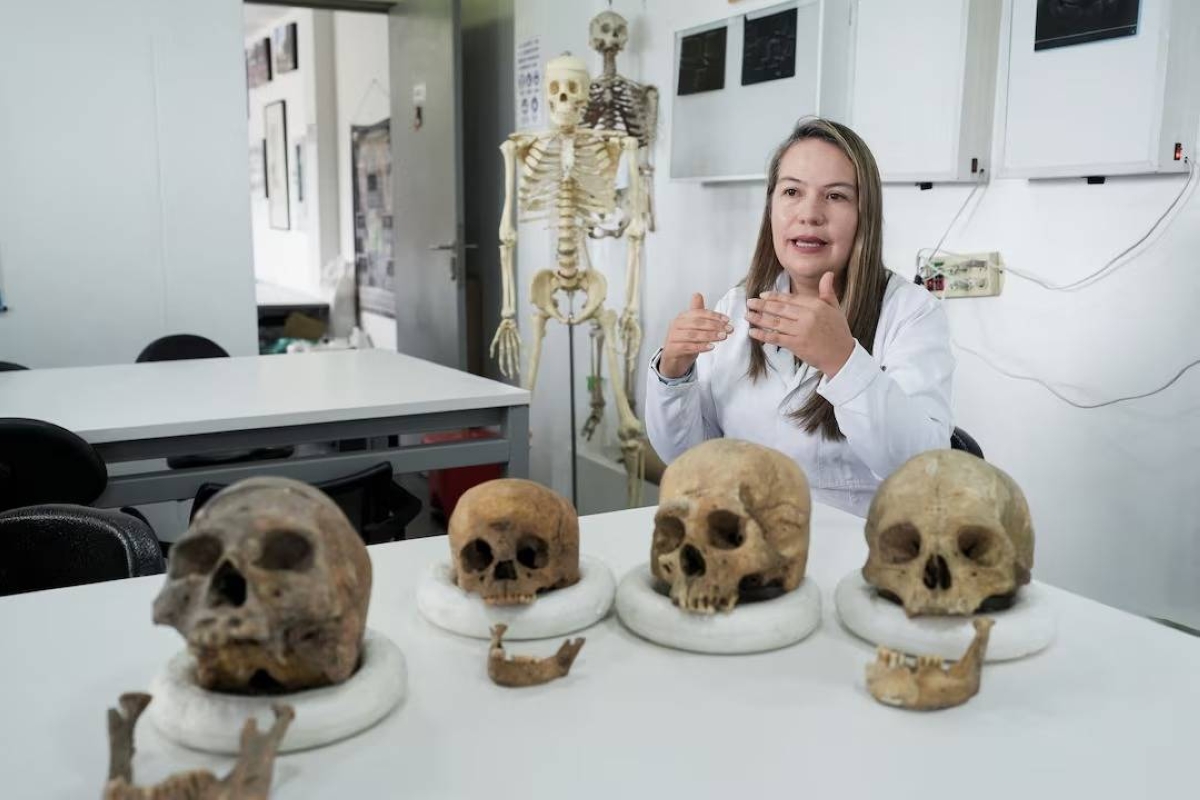
أعلن فريق من العلماء في جامعة كولومبيا الوطنية عن اكتشاف مذهل لسلالة بشرية غير معروفة سابقا بعد تسلسل الحمض النووي لرفات أثرية تم استخراجها بالقرب من العاصمة بوغوتا.
المجموعة، التي أُطلق عليها اسم «تشيكوا» نسبة إلى منطقة في بلدية نيموكون حيث تم استخراج الرفات في 1992، يبلغ عمرها حوالى 6000 عام ولم يتم تسلسل جينومها بالكامل من قبل.
وقالت الدكتورة أندريا كاساس، الباحثة في معهد الجينات بجامعة كولومبيا الوطنية: «عندما بدأنا بمقارنة هذه الرفات مع أفراد آخرين من أجزاء مختلفة من الأمريكتين، وجدنا أن الأفراد من فترة ما قبل السيراميك الموجودين هنا في هضبة كونديبوياكينسي لديهم سلالة لم يتم الإبلاغ عنها من قبل. إنها سلالة جديدة».
وتشمل اكتشافات «تشيكوا» بقايا جزئية لحوالى 30 فردا وجمجمة واحدة شبه سليمة.
وبحسب وكالة «رويترز» تم تسلسل الحمض النووي لستة أفراد من المجموعة بشكل كامل بما يكفي لإضافتهم إلى المشروع، الذي يشمل رفاتاً أخرى تم استخراجها في مشاريع مختلفة بين 1987 و2003.
وعلى عكس «تشيكوا»، شاركت الرفات الأخرى في أوجه جينية مشتركة مع رفات تم العثور عليها في بنما، ما يشير إلى أنها جزء من مجموعات هاجرت عبر أمريكا الوسطى وكولومبيا أثناء انتشار السكان البشريين جنوبا من مضيق بيرينغ قبل 20000 عام.
فمن أين أتت مجموعة «تشيكوا»؟ وماذا حدث لهم؟ لم يتأكد العلماء بعد، لكن من المحتمل أن تكون المجموعة تمثل مجتمعا بدويا من الصيادين والجامعين.
وأضافت كاساس، أن المجموعة ربما انقرضت بسبب الظروف المناخية أو الأمراض أو نقص الغذاء، ولا يُعرف لهم أي نسل.
وأشار الدكتور خوسيه فيسينتي رودريغيز، أستاذ الأنثروبولوجيا الفيزيائية في الجامعة، إلى أن جمجمة «تشيكوا» أكثر استطالة بشكل ملحوظ مقارنة بجماجم السكان الآخرين الموجودين في هضبة بوغوتا.
وأظهرت الجمجمة دلائل على وجود خراجات في الجزء العلوي الأمامي من الفك، ما يشير إلى أن صاحبها ربما فقد أسنانه بسبب العدوى.
وأضاف أن الانفجارات البركانية ربما أثرت على وجبات السكان الأوائل، ما دفع الناس إلى تناول الخضروات الجذرية مثل البطاطس والدرنات.
A team of scientists at the National University of Colombia has announced an astonishing discovery of a previously unknown human lineage after sequencing the DNA of archaeological remains extracted near the capital, Bogotá.
The group, named "Chicua" after the area in the municipality of Nemocón where the remains were extracted in 1992, is approximately 6,000 years old and its genome has not been fully sequenced before.
Dr. Andrea Casas, a researcher at the Genetics Institute of the National University of Colombia, said: "When we started comparing these remains with individuals from different parts of the Americas, we found that individuals from the pre-ceramic period here in the Condiboyacense Plateau have a lineage that has not been reported before. It is a new lineage."
The "Chicua" discoveries include partial remains of about 30 individuals and one nearly intact skull.
According to Reuters, the DNA of six individuals from the group has been sequenced completely enough to include them in the project, which involves other remains extracted in various projects between 1987 and 2003.
Unlike "Chicua," the other remains shared genetic similarities with remains found in Panama, suggesting that they are part of groups that migrated through Central America and Colombia as human populations spread south from the Bering Strait 20,000 years ago.
So where did the "Chicua" group come from? And what happened to them? Scientists have not confirmed yet, but it is likely that the group represents a nomadic community of hunters and gatherers.
Casas added that the group may have gone extinct due to climatic conditions, diseases, or food shortages, and no descendants are known.
Dr. José Vicente Rodríguez, a professor of physical anthropology at the university, noted that the "Chicua" skull is significantly more elongated compared to the skulls of other populations found in the Bogotá Plateau.
The skull showed signs of having abscesses in the upper front part of the jaw, indicating that its owner may have lost teeth due to infection.
He added that volcanic eruptions may have affected the diets of early populations, prompting people to consume root vegetables like potatoes and tubers.