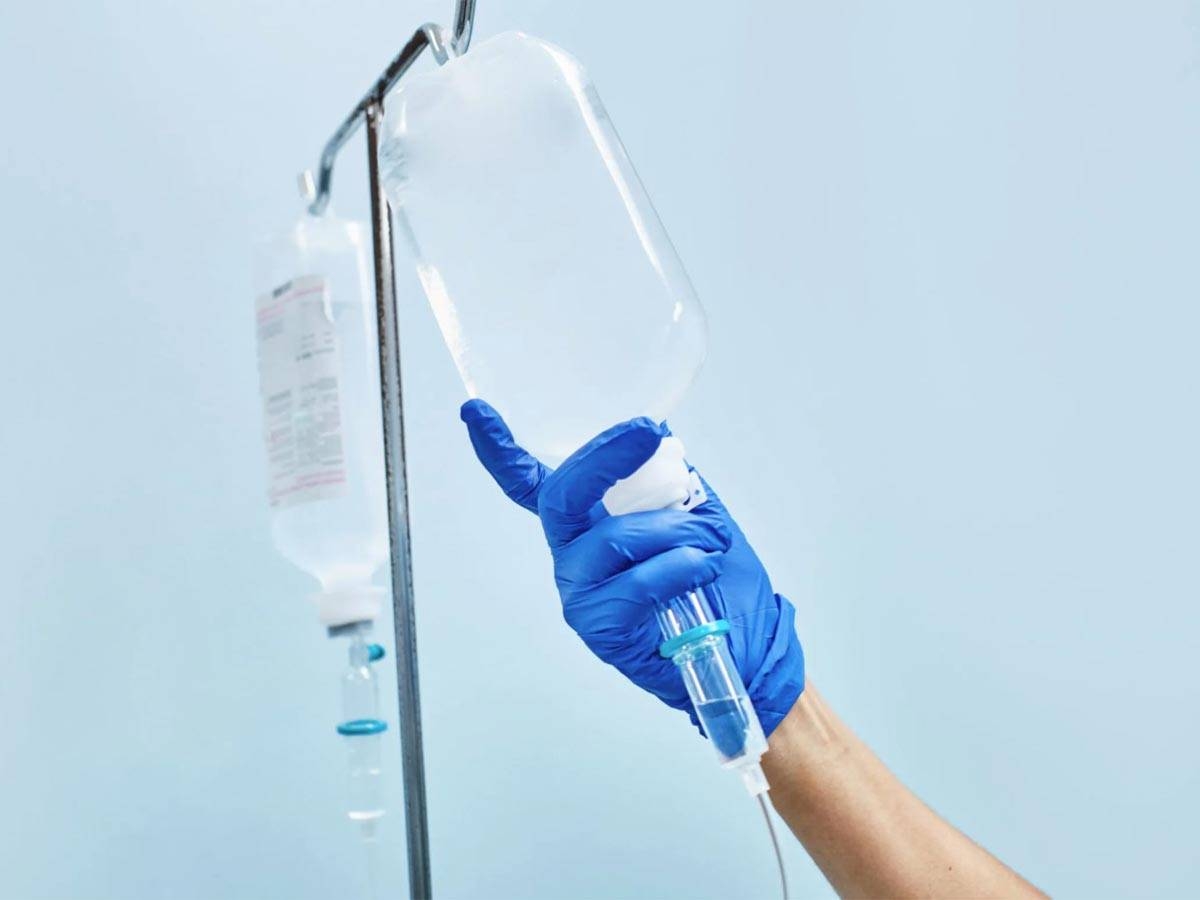
توصل باحثون في جامعة ستانفورد الأمريكية، إلى تقنية جديدة تسمح بالحقن السريع للأدوية التي تتطلب حالياً حقناً وريدياً بطيئاً.
وأكدت الدراسة التي نشرتها دورية علوم الطب الانتقالي أن هناك طريقة جديدة لتغليف البروتينات تسمح بتخزينها بتركيزات عالية لتقديمها للمرضى باستخدام المحاقن العادية أو جهاز حقن ذاتي.
وغلف الباحثون الجسيمات الصغيرة بمادة تم تطويرها تسمى «موني»، بما يمكنهم من وضع البروتينات في سائل بتركيزات عالية، مع الحفاظ على ثباتها وفاعليتها.
وأكدوا أن الطبقة المغلفة تمنع الجسيمات من الذوبان أو الالتصاق ببعضها البعض في السائل وتحافظ عليها جافة ومستقرة.
وقال إريك أبيل، قائد فريق الدراسة في جامعة ستانفورد، إننا «وصلنا إلى شيء يشبه الشوكولاتة المغلفة بالحلوى، حيث يكون البروتين في الداخل ويشكل البوليمر الخاص بنا طبقة زجاجية صلبة من الخارج».
ووصف الطريقة الجديدة بأنها يمكن أن تعمل مع أي دواء بيولوجي، ما يعد نقله في تلك العلاجات، يمكن القيام بها في ثوان باستخدام حاقن ذاتي في المنزل، بعدما كان يستغرق الأمر عدة ساعات.
وأجريت الاختبارات باستخدام ثلاثة بروتينات مختلفة، هي الألبومين والجلوبولين المناعي البشري وجسم مضاد أحادي النسيلة لعلاج كوفيد، وتمكن الباحثون من حقن محلول بأكثر من ضعفي تركيز سوائل الحقن المعتادة.
يذكر أن حقن المرضى بما يعرف بأدوية الأجسام المضادة، المستخدمة لعلاج السرطان وأمراض المناعة الذاتية واضطرابات التمثيل الغذائي، تحتاج إلى كمية كبيرة من السوائل ما يعني ضرورة خضوعهم لتقطير وريدي يستغرق وقتا طويلا، كون الأجسام المضادة، هي بروتينات، تظل مستقرة فقط في سوائل بتركيزات منخفضة.
Researchers at Stanford University in the United States have developed a new technique that allows for the rapid injection of medications that currently require slow intravenous injections.
The study published in the journal Translational Medicine Sciences confirmed that there is a new method for encapsulating proteins that allows them to be stored at high concentrations for delivery to patients using regular syringes or a self-injection device.
The researchers encapsulated the small particles with a developed material called "Muni," which enables them to place the proteins in a liquid at high concentrations while maintaining their stability and effectiveness.
They confirmed that the encapsulating layer prevents the particles from dissolving or sticking to each other in the liquid and keeps them dry and stable.
Eric Abel, the lead of the study team at Stanford University, stated that they have "reached something akin to chocolate coated with candy, where the protein is inside and our special polymer forms a hard glassy layer on the outside."
He described the new method as being able to work with any biological drug, marking a significant advancement in those treatments, which can now be done in seconds using a self-injection device at home, whereas it previously took several hours.
The tests were conducted using three different proteins: albumin, human immunoglobulin, and a monoclonal antibody for COVID treatment, and the researchers were able to inject a solution with more than double the concentration of standard injection fluids.
It is worth noting that injecting patients with what are known as antibody drugs, used to treat cancer, autoimmune diseases, and metabolic disorders, requires a large amount of fluids, which means they must undergo lengthy intravenous drip procedures, as antibodies, being proteins, remain stable only in fluids at low concentrations.