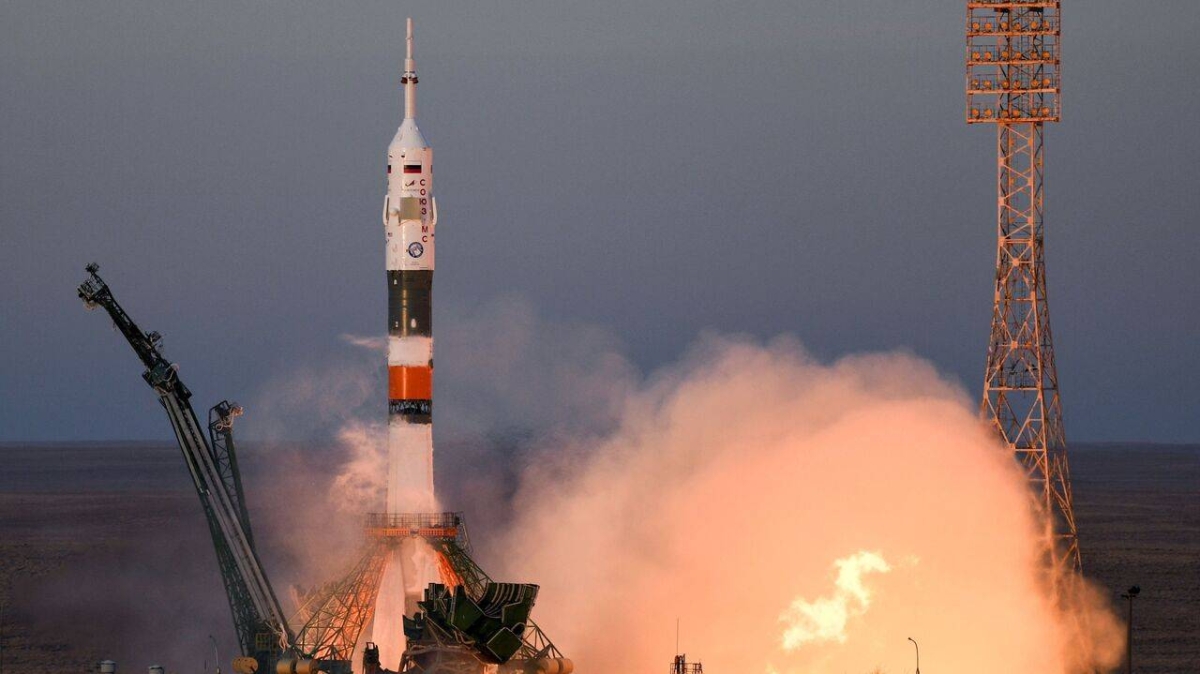
أطلقت روسيا من قاعدة بايكونور مهمة فضائية جديدة تحمل اسم بيون-M رقم 2، وذلك ضمن برنامجها المتخصص في دراسة تأثير الفضاء على الكائنات الحية.
وشملت الحمولة 75 فأراً، و1,500 ذبابة فاكهة، إضافةً إلى بذور نحو 20 نوعاً من النباتات، إلى جانب كائنات ميكروبية ومواد تحاكي غبار القمر.
وتهدف التجربة إلى رصد تأثير الإشعاعات الكونية والجاذبية الصغرى على هذه العينات، في بيئة يزداد فيها مستوى الإشعاع بنسبة تصل إلى 30% مقارنة بمدار محطة الفضاء الدولية.
كما يسعى العلماء إلى اختبار القدرات المعرفية للفئران بعد عودتها، ومتابعة ما إذا كانت ستحتفظ بالمهارات التي تعلمتها على الأرض أو تتمكن من اكتساب مهارات جديدة، إلى جانب تحليل البذور لمعرفة مدى تأثر نموها بظروف الرحلة.
وبحسب البرنامج، ستستمر المهمة لمدة 30 يوماً، على أن تعود الكبسولة إلى الأرض في 19 سبتمبر القادم، حيث ستخضع العينات مباشرة للفحوص العلمية.
وتأتي هذه التجربة امتداداً لسلسلة بعثات «بيون» التي تعود بدايتها إلى ستينات القرن الماضي، حين أرسلت موسكو حيوانات ونباتات إلى الفضاء لاختبار قدرتها على التكيف مع الظروف القاسية.
Russia launched a new space mission named Bion-M No. 2 from the Baikonur Cosmodrome, as part of its specialized program to study the effects of space on living organisms.
The payload included 75 mice, 1,500 fruit flies, as well as seeds from about 20 types of plants, along with microbial organisms and materials simulating lunar dust.
The experiment aims to observe the effects of cosmic radiation and microgravity on these samples, in an environment where the radiation level increases by up to 30% compared to the orbit of the International Space Station.
Scientists also seek to test the cognitive abilities of the mice after their return, and to monitor whether they will retain the skills they learned on Earth or be able to acquire new skills, in addition to analyzing the seeds to determine how their growth is affected by the conditions of the journey.
According to the program, the mission will last for 30 days, with the capsule scheduled to return to Earth on September 19, where the samples will undergo immediate scientific examinations.
This experiment is a continuation of the series of "Bion" missions that began in the 1960s, when Moscow sent animals and plants into space to test their ability to adapt to harsh conditions.