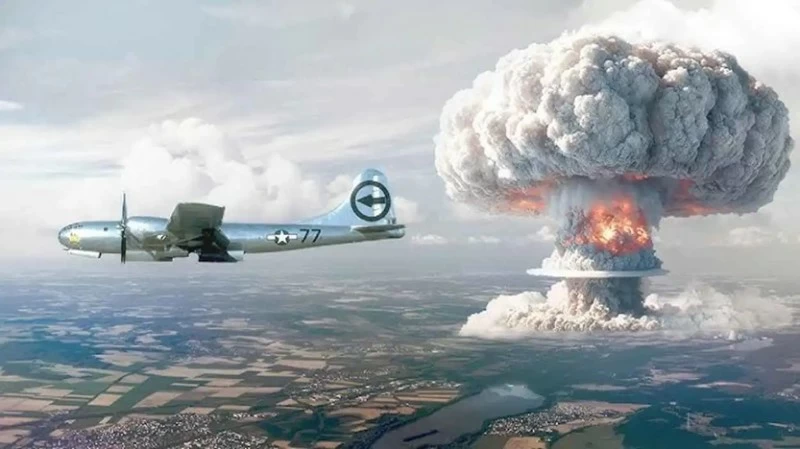
بعد أكثر من 80 عامًا على واحدة من أكثر اللحظات الصادمة في تاريخ البشرية، يظهر مجددًا دفتر يوميات نادر كان بداخل طائرة «Enola Gay» التي نفّذت أول هجوم نووي في العالم على هيروشيما. هذه المرة، الدفتر لا يُعرض في متحف، بل يُعرض للبيع في مزاد قد يصل سعره إلى 950 ألف دولار.
الدفتر يعود إلى الكابتن روبرت أ. لويس (مساعد قائد الطائرة)، والذي وثّق لحظات ما قبل وأثناء الانفجار مباشرةً، وصف فيها الرعب الذي اجتاح الطاقم، حتى صرخ في لحظة صادمة: «يا إلهي ماذا فعلنا؟»، لتصبح عبارته هذه شهادة صادمة على هول الكارثة.
وكتب لويس ملاحظاته داخل قمرة قيادة شبه مظلمة، واضطر أحيانًا لاستخدام قلم رصاص بعدما نفد الحبر، وهو يصف الانفجار الهائل من ارتفاع 9 آلاف متر، معلقًا أنه «أعظم انفجار شهدته البشرية على الإطلاق».
هذا الانفجار دمر المدينة وأودى بحياة ما بين 70 و80 ألف شخص فورًا، بينما توفي آلاف آخرون لاحقًا بسبب الإشعاع، ليصبح الدفتر شاهدًا على لحظة غيّرت مجرى التاريخ العالمي.
ويحتوي الدفتر على غلاف مكتوب عليه: «قصف هيروشيما – 6 أغسطس 1945»، مع رسم يدوي لسحابة الفطر النووية، ليصبح بمثابة قطعة فريدة توثق الهول البشري مباشرة من داخل الطائرة، بعيدًا عن أي سرد ثانوي أو كتب تاريخية.
More than 80 years after one of the most shocking moments in human history, a rare diary has resurfaced that was inside the "Enola Gay" aircraft, which carried out the world's first nuclear attack on Hiroshima. This time, the diary is not displayed in a museum, but is up for sale at an auction that could reach a price of $950,000.
The diary belongs to Captain Robert A. Lewis (the co-pilot), who documented the moments before and during the explosion, describing the horror that engulfed the crew, even shouting in a shocking moment: "Oh my God, what have we done?", making his statement a shocking testimony to the magnitude of the disaster.
Lewis wrote his notes inside a dimly lit cockpit, sometimes having to use a pencil after running out of ink, as he described the massive explosion from an altitude of 9,000 meters, commenting that it was "the greatest explosion ever witnessed by humanity."
This explosion destroyed the city and claimed the lives of between 70,000 and 80,000 people instantly, while thousands more later died due to radiation, making the diary a witness to a moment that changed the course of global history.
The diary has a cover inscribed with: "Bombing of Hiroshima – August 6, 1945," along with a hand-drawn depiction of the nuclear mushroom cloud, making it a unique piece documenting human horror directly from inside the aircraft, away from any secondary narrative or historical books.