في تطور علمي واعد يجمع بين إدارة النفايات ومكافحة التغير المناخي، يطور باحثون ألمان تقنية مبتكرة تحول رماد قاع محارق النفايات البلدية الناتج عن حرق القمامة المنزلية إلى مادة بناء صديقة للبيئة قادرة على امتصاص وتخزين ثاني أكسيد الكربون بشكل دائم، مما يحول نفايات خطرة سابقاً إلى مورد قيّم يساهم في تقليل الانبعاثات واستبدال المواد الخام الطبيعية.
ويقود المشروع جمعية إدارة النفايات في بيرغيش بالشراكة مع باحثين من جامعة كولونيا للعلوم التطبيقية، وجامعة RWTH آخن، ويتم تنفيذ التجارب حالياً في مركز إدارة النفايات ليبه قرب مدينة ليندلار.
وتعتمد آلية التقنية الجديدة على الكربنة المعجلة، وهي تفاعل كيميائي طبيعي يحدث بين المعادن القلوية في الرماد مثل الكالسيوم والمغنيسيوم وغاز ثاني أكسيد الكربون، لتكوين كربونات مستقرة تبقى محبوسة إلى الأبد داخل المادة.
ويُعرض الرماد لتيار من CO₂ الذي يمكن أن يكون من غازات العادم الصناعية، ويرتبط الغاز كيميائياً بالرماد، مما يقلل من محتواه الكربوني ويحسّن خصائصه الميكانيكية.
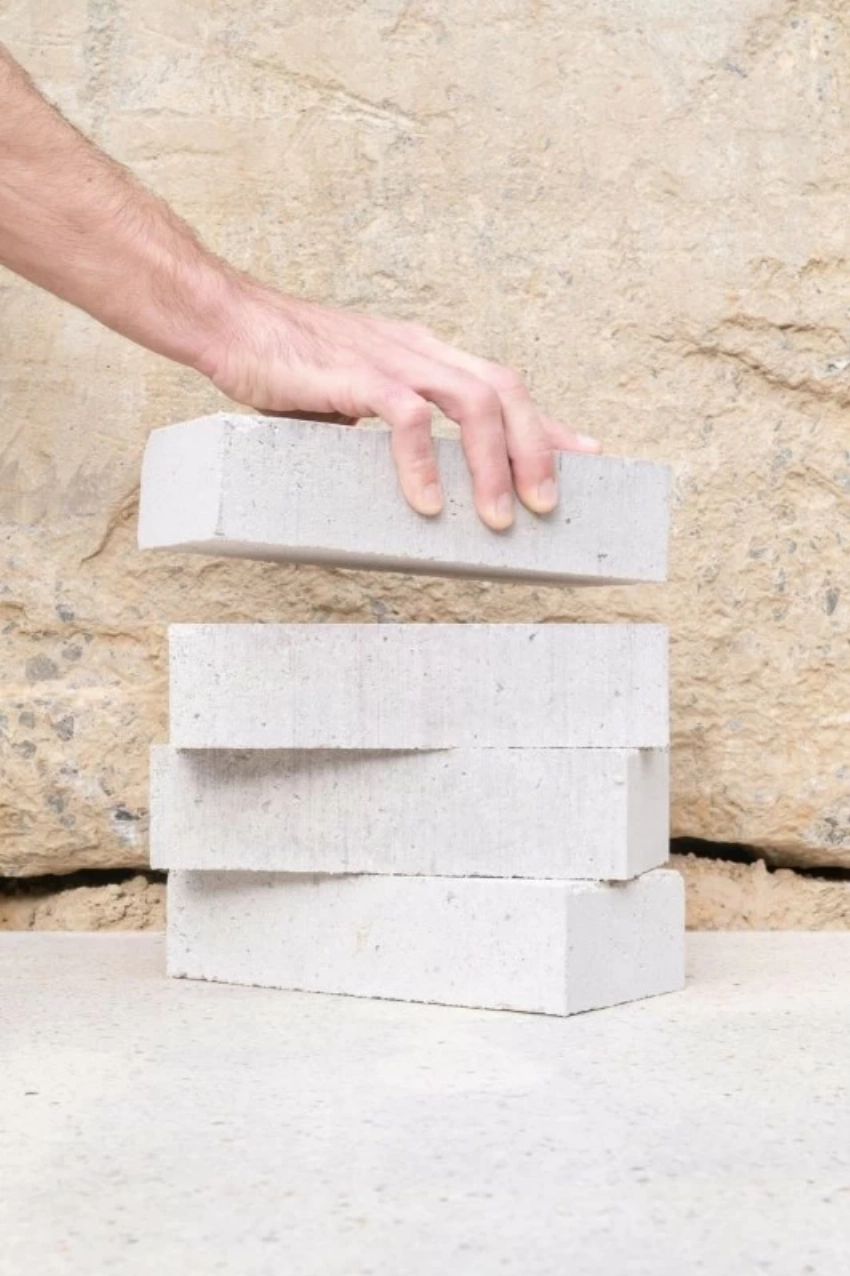
وينتج مادة آمنة ومستقرة يمكن استخدامها كبديل للرمل أو الحصى في الخرسانة، أو كمادة أساسية في بناء الطرق، أو حتى كمكون في إنتاج الخرسانة نفسها.
وأكد البروفيسور بيورن سيبرت، أستاذ الهندسة المدنية في جامعة كولونيا للعلوم التطبيقية أن «المركبات المعدنية في رماد قاع المحرقة قادرة على امتصاص CO₂ وربطه بشكل دائم عبر عملية الكربنة، والتي تهدف إلى تطوير طريقة عملية فعالة، ثم اختبار مدى صلاحية المنتج النهائي للاستخدام في بناء الطرق أو إنتاج الخرسانة».
الخلفية البيئية والاقتصادية تحرق ألمانيا سنوياً ملايين الأطنان من النفايات البلدية في محارق تحويل النفايات إلى طاقة، مما ينتج كميات كبيرة من الرماد – يُصنف جزء منه كمخلفات خطرة أو يُرسل إلى المكبات.
صناعة الخرسانة مسؤولة عن نحو 8% من الانبعاثات العالمية لثاني أكسيد الكربون، معظمها من إنتاج الكلنكر.
نجاح التقنية على نطاق واسع سيحقق فوائد مزدوجة تقليل حجم النفايات المودعة في المكبات وإعادة تدويرها.
تحويل مواد البناء من مصدر انبعاثات إلى «مصيدة كربون»، مما يجعل بعض التطبيقات كربون سالبة (Carbon-Negative).
يجري المشروع حالياً في مرحلة تجريبية، مع إنشاء محطة تجريبية فنية في مركز ليبه لاختبار طرق الكربنة المختلفة على رماد مقدم من شركاء صناعيين.
In a promising scientific development that combines waste management and climate change mitigation, German researchers are developing an innovative technology that transforms bottom ash from municipal waste incineration, resulting from the burning of household garbage, into an environmentally friendly building material capable of permanently absorbing and storing carbon dioxide, thus turning previously hazardous waste into a valuable resource that contributes to reducing emissions and replacing natural raw materials.
The project is led by the Waste Management Association of Bergisch in partnership with researchers from the Cologne University of Applied Sciences and RWTH Aachen University, and experiments are currently being conducted at the Leibniz Waste Management Center near the city of Lindlar.
The mechanism of the new technology relies on accelerated carbonization, which is a natural chemical reaction that occurs between alkaline metals in the ash, such as calcium and magnesium, and carbon dioxide gas, to form stable carbonates that remain trapped forever within the material.
The ash is exposed to a stream of CO₂ that can come from industrial exhaust gases, and the gas chemically binds to the ash, reducing its carbon content and improving its mechanical properties.
This produces a safe and stable material that can be used as a substitute for sand or gravel in concrete, or as a base material in road construction, or even as a component in the production of concrete itself.
Professor Björn Siebert, a civil engineering professor at the Cologne University of Applied Sciences, confirmed that “the mineral compounds in the bottom ash of the incinerator are capable of absorbing CO₂ and binding it permanently through the carbonization process, which aims to develop an effective practical method, and then test the suitability of the final product for use in road construction or concrete production.”
Environmental and economic background: Germany incinerates millions of tons of municipal waste annually in waste-to-energy incinerators, resulting in large quantities of ash—part of which is classified as hazardous waste or sent to landfills.
The concrete industry is responsible for about 8% of global carbon dioxide emissions, most of which comes from clinker production.
Successful large-scale implementation of the technology will achieve dual benefits: reducing the volume of waste deposited in landfills and recycling it.
Transforming building materials from a source of emissions into a “carbon trap,” making some applications carbon negative.
The project is currently in the experimental phase, with the establishment of a pilot technical station at the Leibniz Center to test different carbonization methods on ash provided by industrial partners.