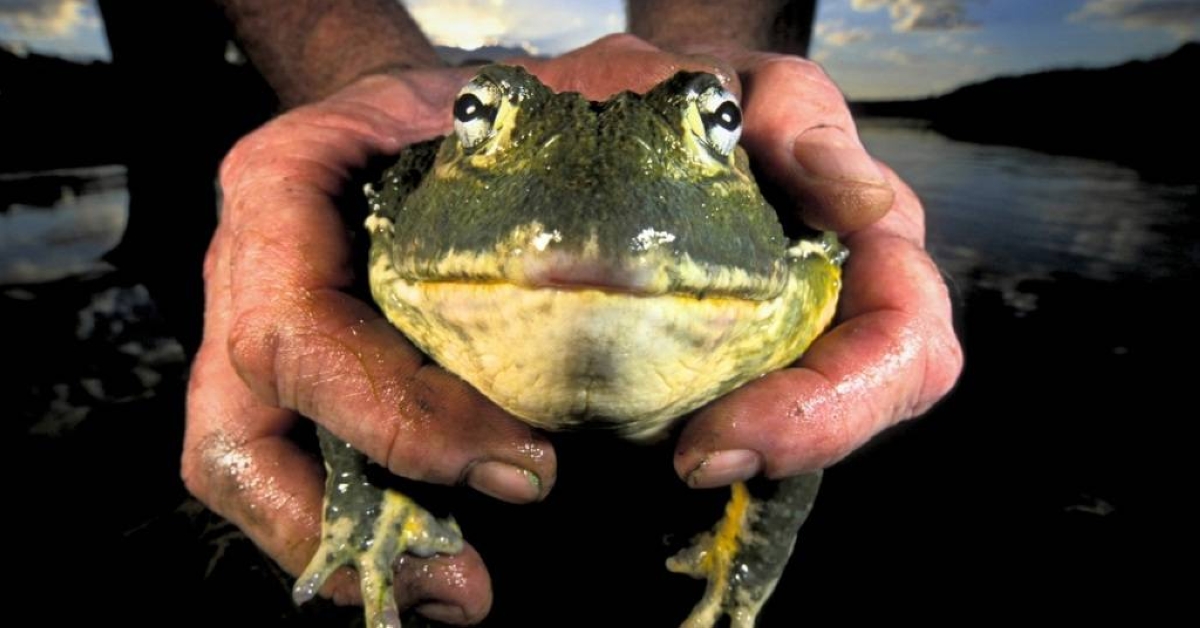
حذّرت تقارير أمريكية من الانتشار الواسع لضفادع الثور في ولايات الغرب الأمريكي، حيث تزايدت أعدادها بشكل غير مسبوق مهددةً التوازن البيئي هناك.
وتعود أصول الظاهرة إلى القرن التاسع عشر، عندما جُلبت هذه الضفادع خلال حمى الذهب في كاليفورنيا كمصدر غذائي، لكن محاولات استزراعها فشلت، بينما استمرت في التكاثر. واليوم، تنتشر في معظم الولايات الأمريكية الغربية، من كاليفورنيا إلى كولورادو، مع قدرة الأنثى الواحدة على وضع ما يصل إلى 25 ألف بيضة طوال حياتها.
وبفضل وفرة المسطحات المائية الدافئة والدائمة مثل قنوات الري، وجدت هذه الضفادع بيئة مثالية للنمو. وتمتاز بشراهتها إذ تلتهم كل ما تصادفه تقريبًا، بما في ذلك الثعابين الصغيرة والسلاحف والطيور وحتى الضفادع الأخرى.
ورغم محاولات متفرقة للسيطرة على أعدادها، مثل جهود القضاء على 16 ألف ضفدع في متنزه يوسمايت الوطني، فإن السيطرة عليها لا تزال صعبة، إذ تعاود الانتشار بسرعة في البيئات التي أُزيلت منها.
ويرى باحثون أن ضفادع الثور ليست «شريرة»، بل كائنات ذات قدرة فائقة على البقاء، استفادت من التغييرات البيئية التي أحدثها الإنسان، مما جعلها قوة مهيمنة تعيد تشكيل النظم البيئية في الغرب الأمريكي.
American reports have warned of the widespread proliferation of bullfrogs in the western United States, where their numbers have increased unprecedentedly, threatening the ecological balance there.
The origins of this phenomenon date back to the 19th century, when these frogs were brought during the California gold rush as a food source, but attempts to cultivate them failed, while they continued to reproduce. Today, they are found in most western U.S. states, from California to Colorado, with a single female capable of laying up to 25,000 eggs throughout her lifetime.
Thanks to the abundance of warm, permanent water bodies such as irrigation channels, these frogs have found an ideal environment for growth. They are characterized by their voracity, as they consume almost everything they encounter, including small snakes, turtles, birds, and even other frogs.
Despite sporadic attempts to control their numbers, such as efforts to eliminate 16,000 frogs in Yosemite National Park, managing them remains difficult, as they quickly re-establish themselves in the environments from which they have been removed.
Researchers believe that bullfrogs are not "evil," but rather creatures with exceptional survival abilities that have benefited from the environmental changes brought about by humans, making them a dominant force reshaping ecosystems in the western United States.