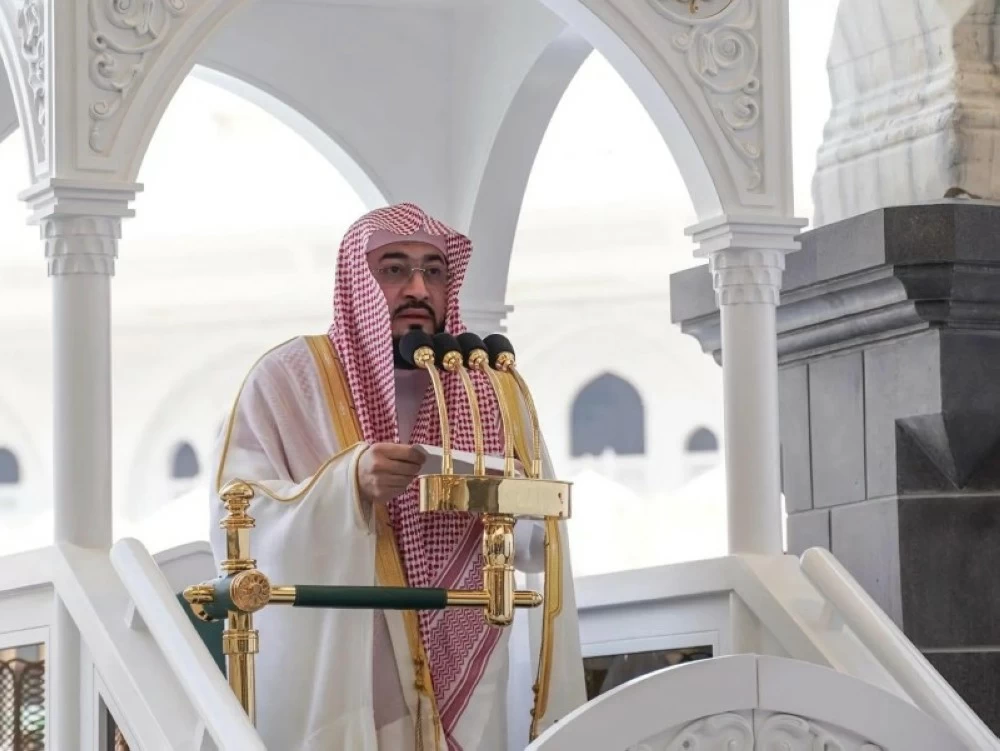
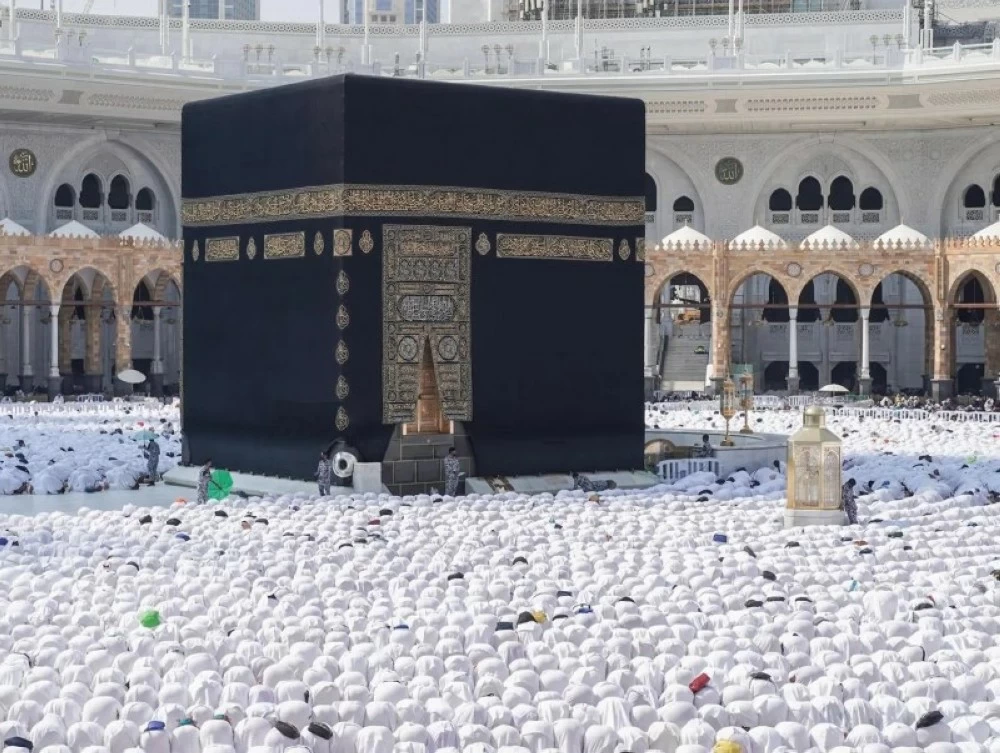
ألقى إمام وخطيب المسجد الحرام فضيلة الشيخ الدكتور بندر بن عبدالعزيز بليلة اليوم، خطبة الجمعة من المسجد الحرام.
وقال فضيلته: «إن الله عز وجل خلق النفس وجبلها على الميل للرغبات، والضعف عند الشهوات، وارتكاب السيئات، والوقوع في الخطيئات، والحكم بالغات، ومقاصد عظيمات، أجلها لتظهر صفات جلاله، ونعوت كماله، من عفوه ومغفرته، وحلمه ورحمته، فعن أبي هريرة قال: قال رسول الله: «والذي نفسي بيده، لو لم تذنبوا، لذهب الله بكم، ولجاء بقوم يذنبون فيستغفرون الله، فيغفر لهم»، وليعلم الله من يخافه بالغيب، وليتقرب إليه العباد بعبادة التوبة والاستغفار، وليحصل لهم التذكر والادكار، وليرجعوا إليه بالتضرع والانكسار، وكلها من أجلّ العبادات، وأعظم القربات المحببة لدى رب الأرض والسماوات، وجعل سبحانه وتعالى قربهم منه بقدر مغالبتهم لأهوائهم، وانتصارهم على شهواتهم، ولعلمه سبحانه وتعالى بطبيعة هذه النفس البشرية، وما أودعه فيها من رغبات، هيأ لها من الأعمال والأسباب، ما يجبر ما وقعت فيه من ذنوب وخطيئات.
وأضاف أن من أعظم تلك الأسباب وأسهلها وأيسرها على العباد، اتباع السيئات بالحسنات، قال سبحانه: {وأقم الصلاة طرفي النهار وزلفا من الليل إن الحسنات يذهبن السيئات ذلك ذكرى للذاكرين}، وجعل ذلك من صفات الناجين من هذه الأمة، والأعمال القربات متنوعة، وكلها تدخل تحت باب اتباع السيئات بالحسنات، ومن تلك الأعمال أيضًا حسنة التوحيد، عن أنس بن مالك قال: سمعت رسول الله -صلى الله عليه وسلم- يقول: «قال الله تعالى: يا ابن آدم، إنك ما دعوتني ورجوتني غفرت لك ما كان منك ولا أبالي، يا ابن آدم لو بلغت ذنوبك عنان السماء، ثم استغفرتني غفرت لك ولا أبالي، يا ابن آدم لو أتيتني بقراب الأرض خطايا، ثم أتيتني لا تشرك بي شيئًا، لأتيتك بقرابها مغفرة».
وأكد حاجة العباد إلى تكفير السيئات ومحو الخطيئات، خاصة في هذا العصر، الذي طغت فيه التقنية الحديثة، وصارت الفتن تعرض على قلب المؤمن عودًا عودًا، شبهات وشهوات، مخالفات ومنكرات في الليل والنهار، والسر والجهار، ترد عليه بغير استئذان ولا انتظار، وعدم القنوط من رحمة الله، بل اجعلوا كل ذنب تقترفونَه دافعًا لعمل صالح تستقبلونَه، لتكونوا دومًا في رحاب الله ومغفرته، وستره ورحمته، فيشملكم بعفوه الواسع، ويحيطكم بسياجه المانع.
وأشار الدكتور بليلة إلى الحذر من إلف المعاصي، واستمراء الخطيئات، واعتياد السيئات، فإن ذلك أمارة الخذلان، وعلامة الحرمان، والبعد من الرحمن، وأما من آلمته سيئته، وأحزنته خطيئته، وأهمته ذنوبه، فإن ذلك علامة الإيمان، والقرب من الرحمن، والعبد على خير عظيم ما دام على هذه الحال، فعن عبدالله بن عمر عن أبيه قال: قال رسول الله: «من سرته حسنته وساءته سيئته فذلك المؤمن» أخرجه الإمام أحمد والترمذي وصححه.
كما تحدث فضيلة إمام وخطيب المسجد النبوي الشيخ الدكتور حسين آل الشيخ، في خطبة الجمعة اليوم، عن مكانة آية الكرسي وفضلها العظيم، مبينًا أنها أعظم آية في كتاب الله، وأن من يقرؤها يُحفظ من الشرور ويُحرس من أذى الشياطين.
وأوضح فضيلته أن آية الكرسي فيها براهين التوحيد على أكمل الوجوه وأتمها، واشتملت على معان تدل على كمال الله وجلاله وجماله، فقول الله تعالى: (اللَّهُ لَا إِلَٰه إِلَّا هُو) هو إخبار عنه عز شأنه بأنه الإله الحق الذي يتعين أن تكون جميع أنواع العبادة والطاعة والتأله له سبحانه، وأن كل ما سوى الله فعبادته أبطل الباطل وأظلم الظلم.
وأضاف فضيلته أن الله سبحانه وصف نفسه فقال: (الحَيُّ الْقَيُّومُ)، فهو عز وجل الحي حياة كاملة دائمة، أزلية أبدية، لم يسبقها عدم، ولا يلحقها فناء أو زوال، وهو سبحانه القيوم ذو القيومية التامة، والغني عما سواه، والقيم لجميع الموجودات، والكامل في ذاته وصفاته وأفعاله، لا يلحقه نقص بأي وجه، فلا تعتريه سنة أي نعاس ولا يلحقه نوم ولا سهو ولا غفلة.
وبيّن الدكتور آل الشيخ أن قوله سبحانه: (لهُ مَا فِي السَّمَاوَات وما في الأرض) أي أن كل ما في السماوات والأرض هو ملك خالص لله سبحانه، خلقًا وملكًا وتدبيرًا، وأن جميع المخلوقات خاضعة لسلطانه وقهره، واقعة تحت جبروته وقدرته ومشيئته.
وأبان فضيلته في تفسير قول الله تبارك وتعالى: (من ذا الذِي يَشفَعُ عِندَهُ إِلَّا بإذنهِ) أن من عظمة الله وجلاله وكبريائه، أنه لا يتجاسر أحد على أن يشفع عنده إلا بإذنه، ولمن ارتضاه سبحانه من أهل التوحيد والإيمان.
وأفاد إمام وخطيب المسجد النبوي أن المراد بقوله تعالى: (يَعْلَمُ مَا بين أَيديهِم وما خلفَهم)، هو بيان علم الله سبحانه الكامل بكل شيء، بما كان، وما يكون، وما لم يكن لو كان كيف سيكون، وعلمٌ محيطٌ بكل الأمور قبل الوجود وبعد الوجود وبعد العدم، وقوله تعالى: (وَلَا يُحِيطُونَ بِشَيء مِنْ عِلْمِهِ إِلَّا بِمَا شَاءَ)، فكل الخلق لا يملكون من العلم إلا ما علمهم الله سبحانه، فلا معرفة لهم بالأمور الشرعية أو القدرية التي تقع في هذه الحياة إلا بما أطلعهم الله عليه وعلمهم إياه.
وشرح فضيلته قوله سبحانه: (وَسِعَ كُرسِيُّهُ السَّمَاوَاتِ وَالْأَرْضَ)، قائلًا: «ومن سعته وعظمته أن هذا الكرسي يسع السماوات والأرض وما فيها وما بينها من الأملاك والمخلوقات والعوالم، فقد روي عن أبي ذر الغفاري قال سمعت رسول الله -صلى الله عليه وسلم- يقول: (ما السَّمواتُ السَّبعُ مع الكُرْسِيِّ إلَّا كحَلْقةٍ مُلْقاةٍ بأرضٍ فَلاةٍ، وفضلُ العرشِ على الكُرْسِيِّ كفضلِ الفَلاةِ على الحَلْقةِ)».
أما في قوله سبحانه: (وَلَا يَئُودُهُ حِفْظُهُمَا)، أوضح أن الله تعالى لا يثقله ولا يشق عليه حفظ السماوات والأرض وحفظ ما فيهما وما بينهما، بل ذلك عليه سهل ويسير، فهو سبحانه ذو القوة المتين لا يعجزه شيء وكل ما في السماوات والأرض تحت تدبيره وتصريفه.
وبيّن أن الله عز وجل يصف نفسه بالكمال المطلق والأقصى، فيقول: (وَهُوَ الْعَلِيُّ الْعَظِيمُ)، أي أن الله سبحانه هو العلي بذاته على جميع مخلوقاته، والعلي بعظمة صفاته وجمالها وجلالها، والعظيم في ذاته وصفاته وسلطانه الجامع لجميع صفات العظمة والكبرياء.
وقال: «عظموا الله حق تعظيمه وقدروه حق قدره وعظموا شرعه، والتزموا بأوامره، وأوامر رسوله تفلحوا وتسعدوا وتفوزوا»، مستشهدًا بقوله: (فَاتَّقُوا اللَّهَ يَا أُولِي الْأَلْبَابِ لَعَلَّكُمْ تُفْلِحُونَ).
واختتم الخطبة داعيًا المسلمين إلى المحافظة على الأوراد الواردة في الكتاب والسنة، وتعليمها لأبنائهم وأهاليهم، والتوكل على الله حق التوكل، فإن من توكّل عليه كفاه كل ما أهمّه، مستشهدًا بقوله تعالى: (وَمَن يَتَوَكَّل عَلَى اللَّهِ فَهُوَ حَسْبُهُ).
Today, the Imam and preacher of the Grand Mosque, His Excellency Sheikh Dr. Bandar bin Abdulaziz Balilah, delivered the Friday sermon from the Grand Mosque.
He said: "Indeed, Allah, the Exalted, created the soul and fashioned it to lean towards desires, to be weak in the face of temptations, to commit sins, to fall into errors, and to judge by the languages and great intentions, the greatest of which is to manifest His attributes of majesty and His qualities of perfection, such as His forgiveness and mercy. Abu Huraira reported that the Messenger of Allah said: 'By the One in Whose Hand is my soul, if you did not sin, Allah would sweep you away and bring forth a people who would sin and seek forgiveness from Allah, and He would forgive them.' And Allah wants to know who fears Him in the unseen, and for the servants to draw closer to Him through the worship of repentance and seeking forgiveness, to attain remembrance and reflection, and to return to Him with supplication and humility, all of which are among the greatest acts of worship and the most beloved means of drawing near to the Lord of the heavens and the earth. And He, the Exalted, has made their closeness to Him proportional to their overcoming their desires and triumphing over their temptations. And due to His knowledge of the nature of this human soul and what He has instilled in it of desires, He has prepared for it actions and means that compensate for the sins and errors it has committed.
He added that among the greatest and easiest of those means for the servants is to follow bad deeds with good deeds. Allah, the Exalted, said: {And establish prayer at both ends of the day and at the approaches of the night. Indeed, good deeds erase bad deeds. This is a reminder for those who remember.} He made this a characteristic of the saved among this nation, and the acts of drawing near are varied, all of which fall under the category of following bad deeds with good deeds. Among those acts is the good deed of monotheism. Anas bin Malik reported that he heard the Messenger of Allah (peace be upon him) say: 'Allah, the Exalted, said: O son of Adam, as long as you call upon Me and hope for My mercy, I will forgive you for what you have done and I do not care. O son of Adam, if your sins were to reach the clouds of the sky, then you sought My forgiveness, I would forgive you and I do not care. O son of Adam, if you were to come to Me with sins as great as the earth, then you came to Me without associating anything with Me, I would come to you with forgiveness as great as it.'
He emphasized the need for the servants to atone for their sins and erase their errors, especially in this era, where modern technology has prevailed, and trials are presented to the heart of the believer one after another, with doubts and desires, violations and wrongdoings both day and night, in secret and openly, coming to him without permission or waiting. Do not despair of Allah's mercy; rather, let every sin you commit be a motivation for a righteous deed you will perform, so that you are always in the embrace of Allah and His forgiveness, His protection, and His mercy, encompassing you with His vast pardon and surrounding you with His protective barrier.
Dr. Balilah pointed out the danger of becoming accustomed to sins, of indulging in errors, and of habitual wrongdoing, for this is a sign of being forsaken, a mark of deprivation, and distance from the Most Merciful. As for the one who feels pain from his sin, is saddened by his error, and is troubled by his wrongdoings, this is a sign of faith and closeness to the Most Merciful, and the servant is in great goodness as long as he remains in this state. Abdullah bin Umar reported from his father that the Messenger of Allah said: 'Whoever is pleased by his good deeds and saddened by his bad deeds, then that is the believer.' This was narrated by Imam Ahmad and Al-Tirmidhi and authenticated.
Furthermore, the esteemed Imam and preacher of the Prophet's Mosque, Sheikh Dr. Hussein Al-Sheikh, spoke in today's Friday sermon about the status of Ayat Al-Kursi and its great virtue, explaining that it is the greatest verse in the Book of Allah, and that whoever recites it is protected from evils and guarded from the harm of devils.
He clarified that Ayat Al-Kursi contains the most complete and perfect proofs of monotheism, and it encompasses meanings that indicate the perfection, majesty, and beauty of Allah. The statement of Allah, the Exalted: (Allah! There is no deity except Him) is an announcement of His exalted status as the true deity to whom all forms of worship, obedience, and devotion must be directed, and that all that is besides Allah is the most false of falsehoods and the darkest of darknesses.
He added that Allah, the Exalted, described Himself by saying: (The Ever-Living, the Sustainer of existence), meaning that He, the Exalted, is the Ever-Living with a complete and everlasting life, eternal and everlasting, without any preceding non-existence or any subsequent annihilation or disappearance. He, the Exalted, is the Sustainer with perfect sustenance, independent of all else, and the maintainer of all existences, perfect in His essence, attributes, and actions, without any deficiency in any way, and He is not affected by drowsiness or sleep or forgetfulness or negligence.
Dr. Al-Sheikh explained that His statement: (To Him belongs whatever is in the heavens and whatever is on the earth) means that all that is in the heavens and the earth belongs solely to Allah, in creation, ownership, and management, and that all creatures are subject to His authority and power, falling under His might, ability, and will.
He elaborated on the interpretation of Allah's statement: (Who is it that can intercede with Him except by His permission?) that among the greatness, majesty, and grandeur of Allah is that no one dares to intercede with Him except by His permission, and for those whom He has chosen from the people of monotheism and faith.
The Imam and preacher of the Prophet's Mosque stated that the meaning of His statement: (He knows what is before them and what is after them) is a declaration of Allah's complete knowledge of everything, of what has been, what will be, and what would have been if it had been, and His knowledge encompasses all matters before existence and after existence and after non-existence. And His statement: (And they encompass not a thing of His knowledge except for what He wills) means that all creation possesses no knowledge except for what Allah has taught them, and they have no knowledge of the matters of the Sharia or the decrees that occur in this life except for what Allah has informed them and taught them.
He explained His statement: (His Kursi extends over the heavens and the earth), saying: "And among its vastness and greatness is that this Kursi encompasses the heavens and the earth and all that is in them and between them of angels, creatures, and worlds. It has been narrated from Abu Dharr Al-Ghafari that he heard the Messenger of Allah (peace be upon him) say: (The seven heavens compared to the Kursi are like a ring thrown in a vast desert, and the superiority of the Throne over the Kursi is like the superiority of the desert over the ring)."
As for His statement: (And their preservation does not burden Him), he clarified that Allah, the Exalted, is not burdened or troubled by the preservation of the heavens and the earth and what is in them and between them; rather, it is easy and simple for Him. He is the All-Powerful, the Strong, and nothing is beyond His capability, and all that is in the heavens and the earth is under His management and control.
He pointed out that Allah, the Exalted, describes Himself with absolute and utmost perfection, saying: (And He is the Most High, the Most Great), meaning that Allah, the Exalted, is the Most High in His essence over all His creatures, and the Most High in the greatness of His attributes, beauty, and majesty, and the Great in His essence, attributes, and sovereignty, encompassing all qualities of greatness and majesty.
He said: "Magnify Allah as He deserves to be magnified and regard Him as He deserves to be regarded, and honor His Sharia, adhere to His commands, and the commands of His Messenger, and you will succeed, be happy, and attain victory," citing His statement: (So fear Allah, O people of understanding, that you may succeed).
He concluded the sermon by calling on Muslims to maintain the supplications mentioned in the Book and the Sunnah, to teach them to their children and families, and to rely on Allah with true reliance, for whoever relies on Him, He will suffice him in all that concerns him, citing His statement: (And whoever relies upon Allah - then He is sufficient for him).