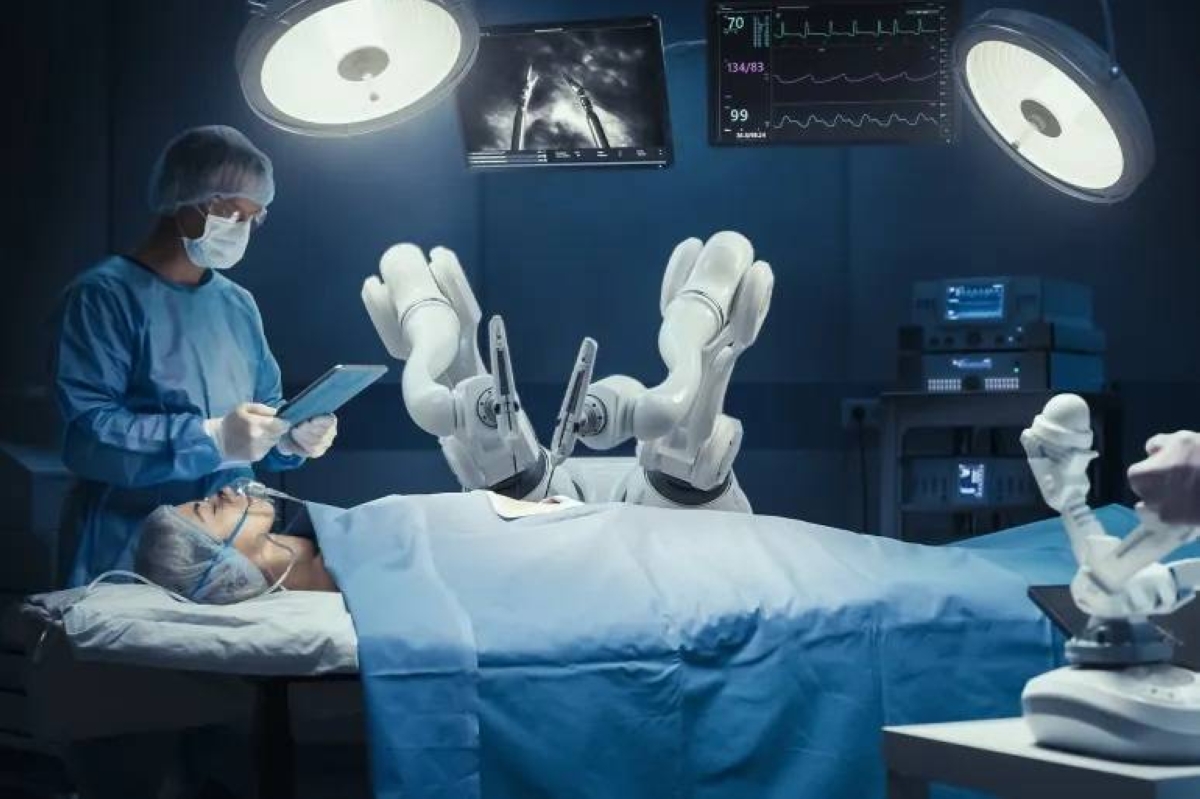
كشفت دراسة حديثة أُجريت في عدة مراكز طبية ببولندا أن الاعتماد على تقنيات الذكاء الاصطناعي في عمليات تنظير القولون أدى إلى انخفاض معدلات نجاح الأطباء في اكتشاف سرطان القولون بنسبة 6% مقارنة بالفترة التي لم يستخدموا فيها هذه التقنية.
الدراسة التي حللت أكثر من 1442 عملية أجراها أطباء ذوو خبرة تجاوزت 2000 عملية تنظير لكل منهم، أوضحت أن التجربة قُسّمت على مرحلتين: 3 أشهر قبل إدخال الذكاء الاصطناعي، و3 أشهر بعد استخدامه. وأظهرت النتيجة تراجع الأداء بعد إدخال التقنية، ما أثار قلق الباحثين بشأن تأثيرها السلبي المحتمل على مهارة الجراحين.
وقال أحد القائمين على الدراسة الدكتور مارسين رومانسيك: «إن هذه النتائج تعد الأولى التي توثق أثرًا سلبيًا مباشرًا لاستخدام الذكاء الاصطناعي في الممارسات الطبية». وحذر من التسارع الكبير في تبني هذه التقنيات داخل القطاع الصحي.
وتتوافق هذه النتائج مع إحصائية سابقة للجمعية الطبية الأمريكية عام 2023، بيّنت أن ثلثي الأطباء المشاركين يستخدمون الذكاء الاصطناعي وروبوتات الدردشة بشكل يومي، ومع دراسة أخرى لمعهد MIT لاحظت ضعفًا في نشاط الدماغ لدى المستخدمين المكثفين لتقنيات الذكاء الاصطناعي.
A recent study conducted in several medical centers in Poland revealed that reliance on artificial intelligence techniques in colonoscopy procedures led to a 6% decrease in doctors' success rates in detecting colon cancer compared to the period when they did not use this technology.
The study, which analyzed more than 1,442 procedures performed by doctors with over 2,000 colonoscopies each, indicated that the experience was divided into two phases: 3 months before the introduction of artificial intelligence and 3 months after its use. The results showed a decline in performance after the introduction of the technology, raising concerns among researchers about its potential negative impact on surgeons' skills.
Dr. Marcin Romanski, one of the study's leaders, stated, "These results are the first to document a direct negative effect of using artificial intelligence in medical practices." He warned about the rapid adoption of these technologies within the healthcare sector.
These findings align with a previous statistic from the American Medical Association in 2023, which indicated that two-thirds of participating doctors use artificial intelligence and chatbots on a daily basis, along with another study from MIT that noted a decline in brain activity among intensive users of artificial intelligence technologies.