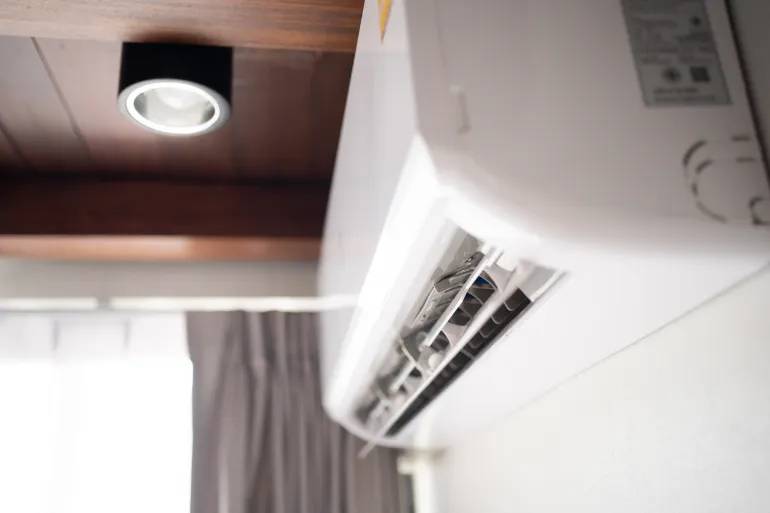
تلجأ كثير من الأسر وأماكن العمل إلى مكيفات الهواء للتغلب على موجات الحر الشديد، إلا أن الإهمال في صيانة هذه الأجهزة قد يحولها من مصدر راحة إلى مصدر للأمراض، وفق دراسات حديثة.
تشير أبحاث إلى أن الفلاتر المتسخة والرطوبة داخل وحدات التكييف توفر بيئة خصبة لنمو البكتيريا والفطريات، مثل بكتيريا ليجيونيلا والفطريات الضارة كـأسبرجلس وكلادوسبوريوم، مما يزيد خطر الإصابة بالالتهابات الرئوية والأمراض التنفسية، خاصة في المستشفيات والأماكن التي تضم أشخاصًا ضعيفي المناعة أو مواليد الخدج.
كما أظهرت الدراسات حالات انتقال عدوى فايروسية عبر الهواء الخارج من المكيفات، مثل انتشار نوروفيروس بين الأطفال في رياض الأطفال بالصين، إضافة إلى التلوث الكيميائي المحتمل من مواد مثل البنزين والفورمالديهايد وتولوين، التي قد تسبب تهيج الجهاز التنفسي وأمراضًا مزمنة عند تراكمها.
ويذهب خبراء الصحة إلى أن الصيانة الدورية وتنظيف الفلاتر واستبدالها يمثل الحل الوقائي الأول لتقليل نمو الميكروبات والحفاظ على جودة الهواء الداخلي وصحة الجهاز التنفسي، فضلاً عن الحد من انتشار بعض الفايروسات مثل كوفيد-19.
Many families and workplaces resort to air conditioners to cope with extreme heat waves, but neglecting the maintenance of these devices can turn them from a source of comfort into a source of illness, according to recent studies.
Research indicates that dirty filters and humidity inside air conditioning units provide a fertile environment for the growth of bacteria and fungi, such as Legionella bacteria and harmful fungi like Aspergillus and Cladosporium, increasing the risk of pneumonia and respiratory diseases, especially in hospitals and places that include immunocompromised individuals or premature infants.
Studies have also shown cases of viral infections transmitted through the air from air conditioners, such as the spread of norovirus among children in kindergartens in China, in addition to potential chemical contamination from substances like benzene, formaldehyde, and toluene, which can cause respiratory irritation and chronic diseases when accumulated.
Health experts assert that regular maintenance, cleaning filters, and replacing them represent the primary preventive solution to reduce microbial growth and maintain indoor air quality and respiratory health, as well as limit the spread of certain viruses like COVID-19.