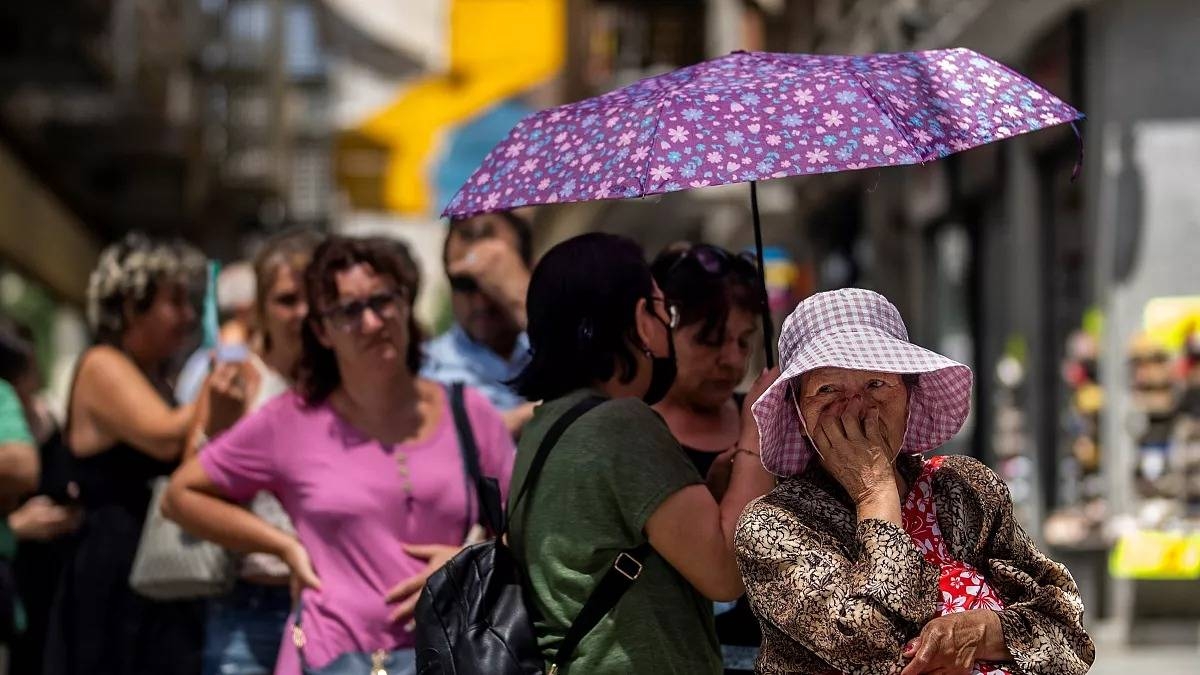
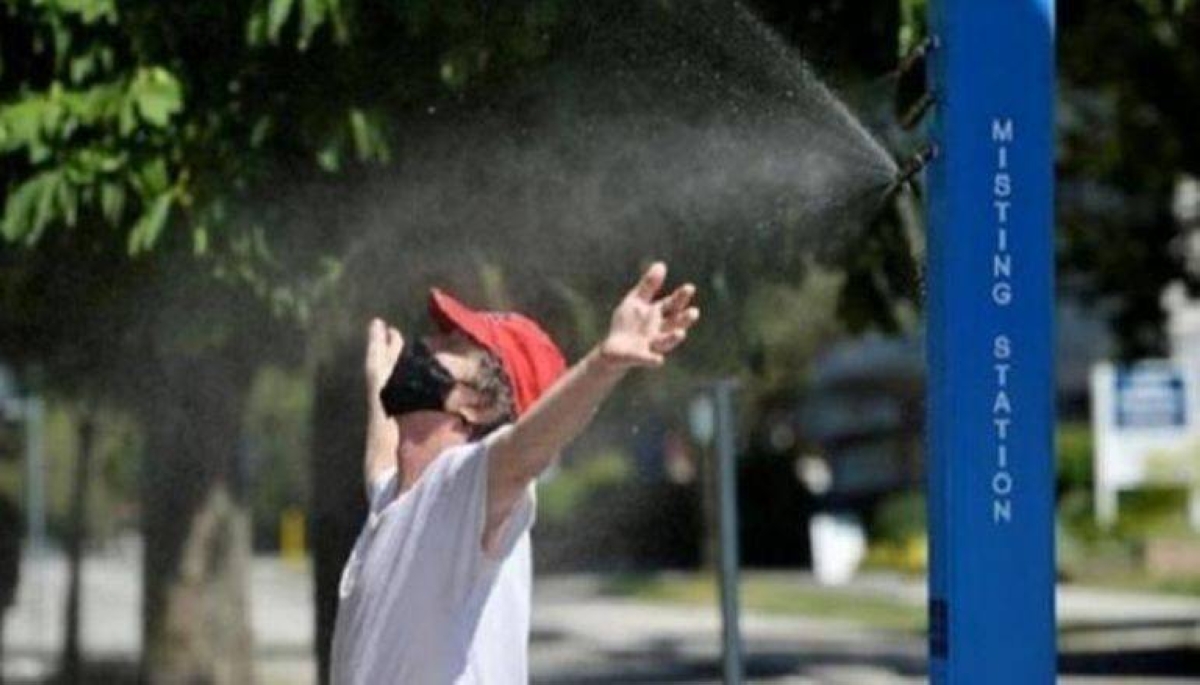
أعلنت السلطات الإسبانية حالة التأهب القصوى في 34 مقاطعة، معظمها في وسط وجنوب البلاد، نتيجة موجات الحر الشديدة التي تجتاح البلاد منذ بداية الصيف، في ظل ارتفاع مقلق في معدلات الوفيات الناجمة عن ارتفاع درجات الحرارة، إذ سجل معهد كارلوس الثالث للصحة العامة 1,505 وفيات مرتبطة بـ«ارتفاع شديد في درجات الحرارة» خلال الفترة من 16 مايو إلى 4 أغسطس 2025.
وتشهد إسبانيا، كغيرها من دول جنوب أوروبا، صيفًا استثنائيًا من حيث شدة الحرارة، إذ وصلت درجات الحرارة في بعض المناطق إلى 46 درجة مئوية، مسجلة أرقامًا قياسية في يونيو ويوليو، أدت هذه الموجات الحارة، التي تفاقمت بسبب تغير المناخ وتأثير ظاهرة «القبة الحرارية»، إلى زيادة كبيرة في الوفيات المرتبطة بالحرارة مقارنة بالعام الماضي، حيث سجلت 114 وفاة فقط خلال نفس الفترة في 2024.
وأصدرت وكالة الأرصاد الجوية الإسبانية تحذيرات من استمرار الموجة الحارة حتى منتصف أغسطس، مع توقعات بأن تظل درجات الحرارة مرتفعة بشكل غير طبيعي في مناطق مثل الأندلس وقرطبة، وقد أدت الحرارة الشديدة إلى زيادة حالات الإصابة بضربات الشمس والأمراض المرتبطة بالحرارة، مثل أمراض القلب والأوعية الدموية والجهاز التنفسي، مما زاد الضغط على المستشفيات.
كما تسببت موجات الحر في تفاقم مخاطر الحرائق، إذ أُجبرت السلطات على نشر المزيد من فرق الإطفاء للسيطرة على حرائق الغابات في مناطق مثل كاتالونيا. وأشار الأمين العام للأمم المتحدة، أنطونيو غوتيريش، خلال مؤتمر في إشبيلية، إلى أن «الحرارة الشديدة أصبحت الوضع الطبيعي الجديد» بسبب تغير المناخ الناجم عن النشاط البشري.
وأطلقت وزارة الصحة الإسبانية تحذيرات صحية عاجلة، داعية المواطنين إلى اتخاذ احتياطات مثل البقاء في الظل، ارتداء ملابس خفيفة، ومراقبة الجيران المسنين، كما تم تعزيز نظام المراقبة الصحية لتتبع الوفيات اليومية وتحديد التأثيرات المباشرة وغير المباشرة للحرارة، وتشير التقارير إلى أن الإجراءات الوقائية، مثل خطة الوقاية من الحرارة، ساهمت في تقليل الوفيات المرتبطة بالحرارة الشديدة في بعض المناطق مقارنة بالسنوات السابقة.
ومع ذلك، يحذر الخبراء من أن استمرار ارتفاع درجات الحرارة عالميًا قد يؤدي إلى زيادة الوفيات المرتبطة بالحرارة في أوروبا بما يراوح بين 8,000 إلى 80,000 سنويًا بحلول نهاية القرن، مما يبرز الحاجة إلى استراتيجيات طويلة الأمد للتكيف مع تغير المناخ.
ووفقًا لتقارير معهد كارلوس الثالث، شهدت الأسابيع الأولى من يوليو زيادة حادة في الوفيات، خاصة بين كبار السن والفئات الأكثر عرضة للخطر، مثل المصابين بأمراض مزمنة، وتُظهر البيانات أن 76 تنبيهًا أحمر للحرارة الشديدة صدرت هذا الصيف، مقارنة بصفر في العام السابق، مما يعكس «شدة استثنائية» للأحداث المناخية.
وتستجيب إسبانيا لهذه الأزمة من خلال تفعيل خطة وطنية للوقاية من آثار ارتفاع درجات الحرارة، والتي تشمل تحذيرات مبكرة وخريطة تنبيه حراري جديدة تحدد عتبات درجات الحرارة التي تؤدي إلى زيادة الوفيات في كل منطقة، وتهدف هذه الخريطة، التي أُطلقت في يونيو الماضي، إلى حماية الفئات الضعيفة، خصوصاً كبار السن، من خلال توجيهات مثل تجنب الخروج في منتصف النهار وشرب المزيد من الماء.
The Spanish authorities have declared a state of maximum alert in 34 provinces, mostly in the central and southern parts of the country, due to the severe heatwaves sweeping the nation since the beginning of summer, amid a concerning rise in mortality rates linked to high temperatures. The Carlos III Institute of Public Health recorded 1,505 deaths related to "extreme heat" during the period from May 16 to August 4, 2025.
Spain, like other Southern European countries, is experiencing an exceptional summer in terms of heat intensity, with temperatures in some areas reaching 46 degrees Celsius, setting record highs in June and July. These heatwaves, exacerbated by climate change and the effects of the "heat dome" phenomenon, have led to a significant increase in heat-related deaths compared to last year, where only 114 deaths were recorded during the same period in 2024.
The Spanish Meteorological Agency has issued warnings about the continuation of the heatwave until mid-August, with forecasts indicating that temperatures will remain abnormally high in areas such as Andalusia and Córdoba. The extreme heat has resulted in an increase in cases of heatstroke and heat-related illnesses, such as cardiovascular and respiratory diseases, putting additional pressure on hospitals.
Moreover, the heatwaves have exacerbated the risks of wildfires, forcing authorities to deploy more firefighting teams to control forest fires in regions like Catalonia. The UN Secretary-General, António Guterres, noted during a conference in Seville that "extreme heat has become the new normal" due to climate change caused by human activity.
The Spanish Ministry of Health has issued urgent health warnings, urging citizens to take precautions such as staying in the shade, wearing light clothing, and checking on elderly neighbors. The health monitoring system has also been strengthened to track daily deaths and identify the direct and indirect effects of heat. Reports indicate that preventive measures, such as the heat prevention plan, have helped reduce heat-related deaths in some areas compared to previous years.
However, experts warn that the continued rise in global temperatures could lead to an increase in heat-related deaths in Europe ranging from 8,000 to 80,000 annually by the end of the century, highlighting the need for long-term strategies to adapt to climate change.
According to reports from the Carlos III Institute, the first weeks of July saw a sharp increase in deaths, particularly among the elderly and the most vulnerable groups, such as those with chronic illnesses. Data shows that 76 red alerts for extreme heat were issued this summer, compared to none the previous year, reflecting the "exceptional severity" of climate events.
Spain is responding to this crisis by activating a national plan to mitigate the effects of rising temperatures, which includes early warnings and a new heat alert map that identifies temperature thresholds leading to increased mortality in each region. This map, launched last June, aims to protect vulnerable groups, especially the elderly, through guidelines such as avoiding going out at midday and drinking more water.