


يُعد تراكم الدهون في الكبد من الحالات الصحية الصامتة التي قد تمر دون ملاحظة، لكنها تُنذر بتطورات خطيرة إذا لم تُكتشف مبكرًا. هذه الحالة، المعروفة باسم الكبد الدهني غير الكحولي، أصبحت شائعة عالميًا، وتطال ملايين الأشخاص دون أن يشعروا بأي ألم أو علامات مباشرة.
الأطباء يشيرون إلى أن الدهون الزائدة داخل الكبد قد تتحول إلى التهابات مزمنة، تؤدي إلى تليّف وفشل كبدي، وترفع خطر الإصابة بأمراض القلب والسكري. ما يجعل الأمر أكثر خطورة هو أن الأعراض غالبًا ما تكون غير واضحة، وقد تقتصر على إرهاق دائم، أو انتفاخ، أو تغيرات في لون الجلد أو البول.
السمنة ونمط الحياة الخامل من أبرز الأسباب، إلى جانب تناول السكريات الزائدة والدهون المشبعة. الوقاية تعتمد على نمط حياة صحي، يشمل تخفيض الوزن، وزيادة النشاط البدني، وتناول أطعمة متوازنة. كما يُنصح بإجراء فحوص دورية لوظائف الكبد، خاصة لمن لديهم تاريخ مرضي أو زيادة في الوزن.
دهون الكبد.. خطر صامت بلا أعراض واضحة
3 أغسطس 2025 - 18:30
|
آخر تحديث 3 أغسطس 2025 - 18:30
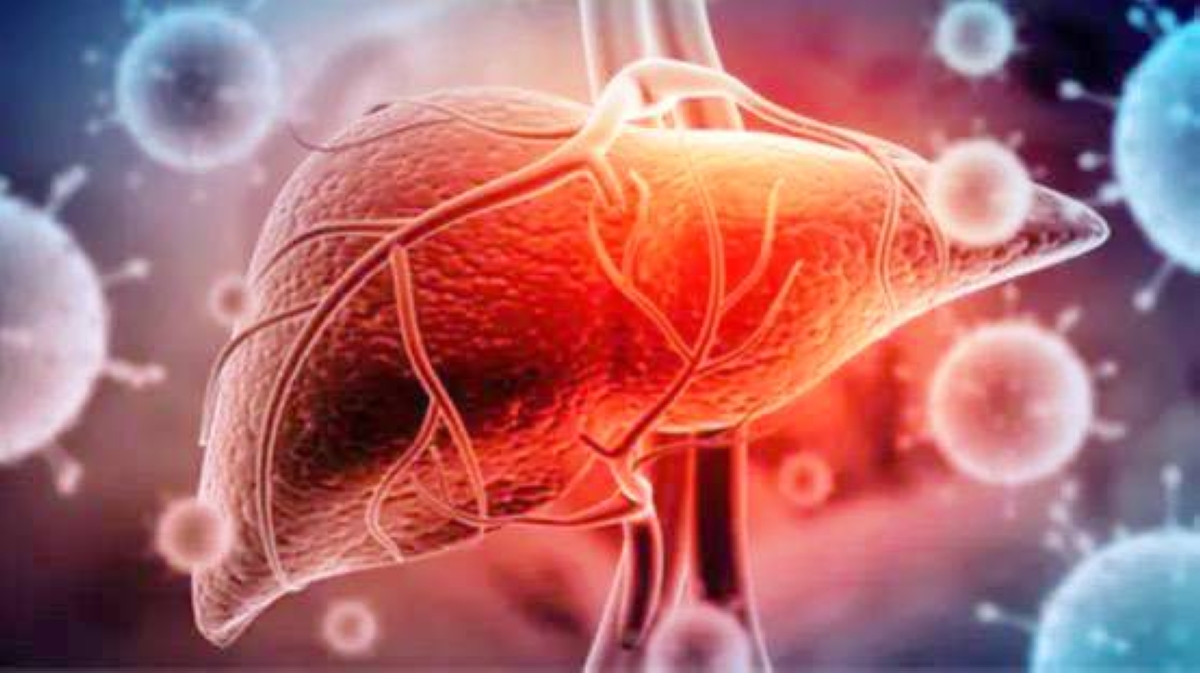
الكبد


تابع قناة عكاظ على الواتساب
«عكاظ» (جدة)OKAZ_online@
The accumulation of fat in the liver is one of the silent health conditions that may go unnoticed, but it warns of serious developments if not detected early. This condition, known as non-alcoholic fatty liver disease, has become globally common, affecting millions of people without them feeling any pain or direct signs.
Doctors indicate that excess fat within the liver can lead to chronic inflammation, resulting in fibrosis and liver failure, and increases the risk of heart disease and diabetes. What makes it more dangerous is that the symptoms are often unclear and may be limited to persistent fatigue, bloating, or changes in skin or urine color.
Obesity and a sedentary lifestyle are among the main causes, along with excessive intake of sugars and saturated fats. Prevention relies on a healthy lifestyle, which includes weight reduction, increased physical activity, and a balanced diet. Regular liver function tests are also recommended, especially for those with a medical history or overweight.
Doctors indicate that excess fat within the liver can lead to chronic inflammation, resulting in fibrosis and liver failure, and increases the risk of heart disease and diabetes. What makes it more dangerous is that the symptoms are often unclear and may be limited to persistent fatigue, bloating, or changes in skin or urine color.
Obesity and a sedentary lifestyle are among the main causes, along with excessive intake of sugars and saturated fats. Prevention relies on a healthy lifestyle, which includes weight reduction, increased physical activity, and a balanced diet. Regular liver function tests are also recommended, especially for those with a medical history or overweight.


