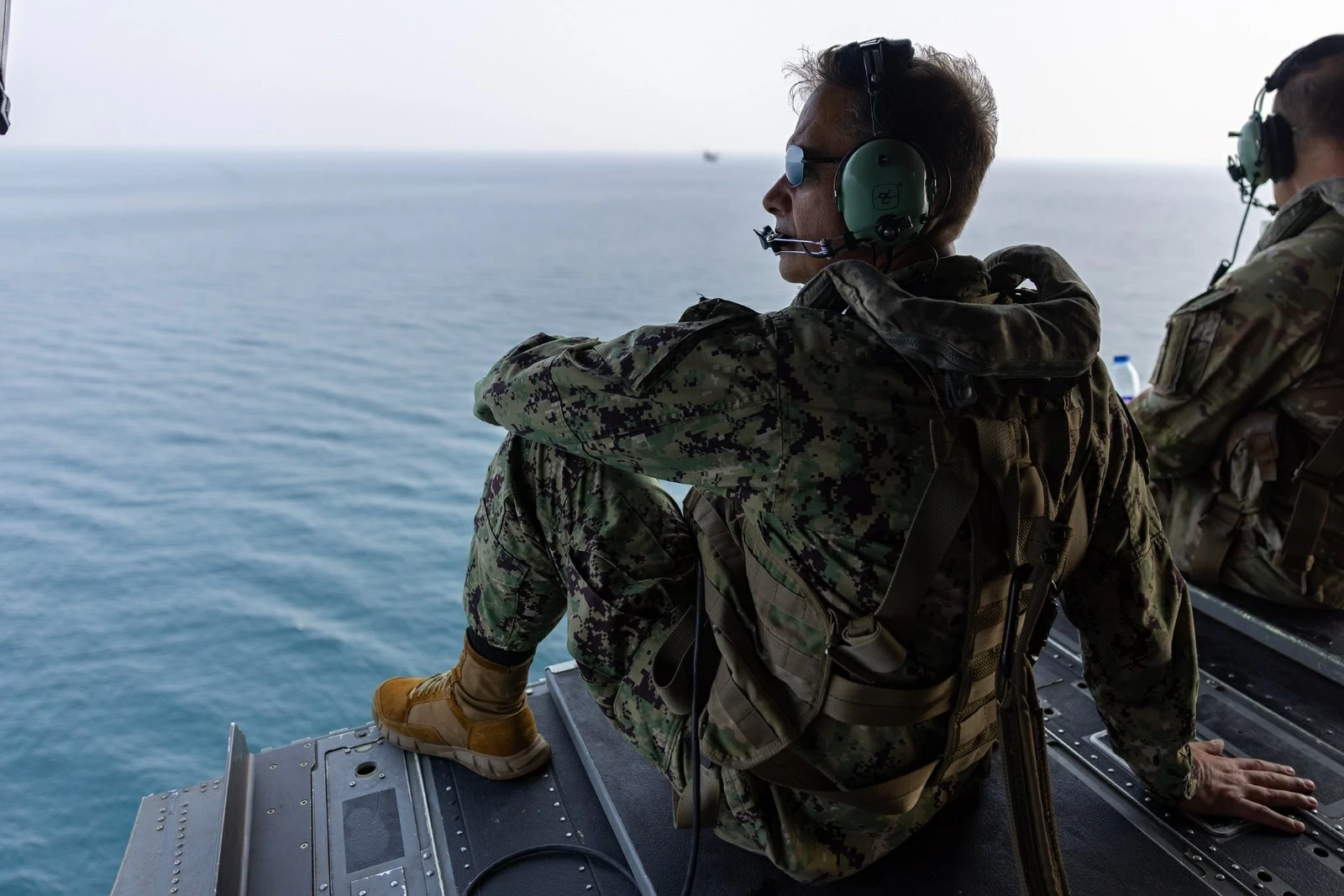
أعلنت القيادة المركزية الأمريكية اليوم (الأحد)، أن قواتها ساعدت على تصدير أكثر من 1.5 مليار برميل من النفط الخام عبر المضيق منذ الصيف.
وأوضحت القيادة المركزية في بيان، أن قائدها الأدميرال براد كوبر زار مضيق هرمز، وحلّق فوق الممر المائي الدولي على متن مروحية تابعة للجيش الأمريكي من طراز للاطلاع على بيئة العمليات الحالية، مبينةً أن أكثر من 3000 سفينة تجارية عبرت مضيق هرمز بنجاح، بدعم من القوات الأمريكية، خلال الأشهر الستة الماضية.
وقال كوبر: «نواصل الوقوف جنباً إلى جنب مع شركائنا الخليجيين وقطاع الشحن»، مضيفاً أن الزيارة تؤكد التزام واشنطن بالحفاظ على حرية الملاحة عبر المضيق.
وأشار إلى أن أكثر من 95% من السفن التي أبحرت عبر مضيق هرمز خلال الأشهر الأخيرة عبرت بسلام، رغم ما وصفه بـ«الاعتداءات غير المبررة» للحرس الثوري الإيراني.
ولفت إلى أن «هذه النسبة تظهر أن الولايات المتحدة وشركاءها الإقليميين يسيطرون على الممر المائي الدولي».
وأشارت القيادة المركزية إلى أن القوات الأمريكية أزالت، خلال الأشهر الماضية، ألغاماً بحرية، متهمةً الحرس الثوري الإيراني بزرعها في ممرات الشحن الدولية داخل المضيق.
وأضافت أن كوبر التقى، خلال الزيارة، عسكريين أمريكيين شاركوا في مهمة إزالة الألغام، وشكرهم على جهودهم والتزامهم المستمر.
وشدد كوبر على أن مسارات العبور الرئيسية في مضيق هرمز «لا تزال خالية من الألغام البحرية الإيرانية»، مؤكداً مواصلة العمل على إبقاء حركة السفن التجارية متدفقةً، بالتعاون مع الجهات الحكومية الأمريكية ودول مجلس التعاون الخليجي وقطاع الشحن.
في المقابل، قال المتحدث باسم وزارة الخارجية الإيرانية إسماعيل بقائي إن مضيق هرمز «ليس آمناً»، نافياً أن تكون بلاده مسؤولة عن ذلك.
وهدد بقائي باتخاذ بلاده الإجراءات اللازمة لحماية سلامة أراضيها وأمنها القومي وشعبها ما دام هذا الوضع مستمراً.
The U.S. Central Command announced today (Sunday) that its forces have assisted in the export of more than 1.5 billion barrels of crude oil through the Strait since the summer.
The Central Command explained in a statement that its commander, Admiral Brad Cooper, visited the Strait of Hormuz and flew over the international waterway aboard a U.S. Army helicopter to assess the current operational environment, noting that more than 3,000 commercial vessels have successfully transited the Strait of Hormuz with the support of U.S. forces over the past six months.
Cooper stated, “We continue to stand side by side with our Gulf partners and the shipping sector,” adding that the visit reaffirms Washington's commitment to maintaining freedom of navigation through the Strait.
He pointed out that more than 95% of the vessels that have sailed through the Strait of Hormuz in recent months have done so safely, despite what he described as “unjustified attacks” by the Iranian Revolutionary Guard.
He noted that “this percentage shows that the United States and its regional partners control the international waterway.”
The Central Command indicated that U.S. forces have removed naval mines in recent months, accusing the Iranian Revolutionary Guard of planting them in international shipping lanes within the Strait.
It added that Cooper met during the visit with U.S. military personnel involved in the mine removal mission, thanking them for their efforts and ongoing commitment.
Cooper emphasized that the main transit routes in the Strait of Hormuz “remain free of Iranian naval mines,” confirming the continued work to keep commercial shipping flowing, in cooperation with U.S. government entities, Gulf Cooperation Council countries, and the shipping sector.
In contrast, Iranian Foreign Ministry spokesman Ismail Baqaei stated that the Strait of Hormuz “is not safe,” denying that his country is responsible for this situation.
Baqaei threatened that his country would take necessary measures to protect its territory, national security, and people as long as this situation continues.