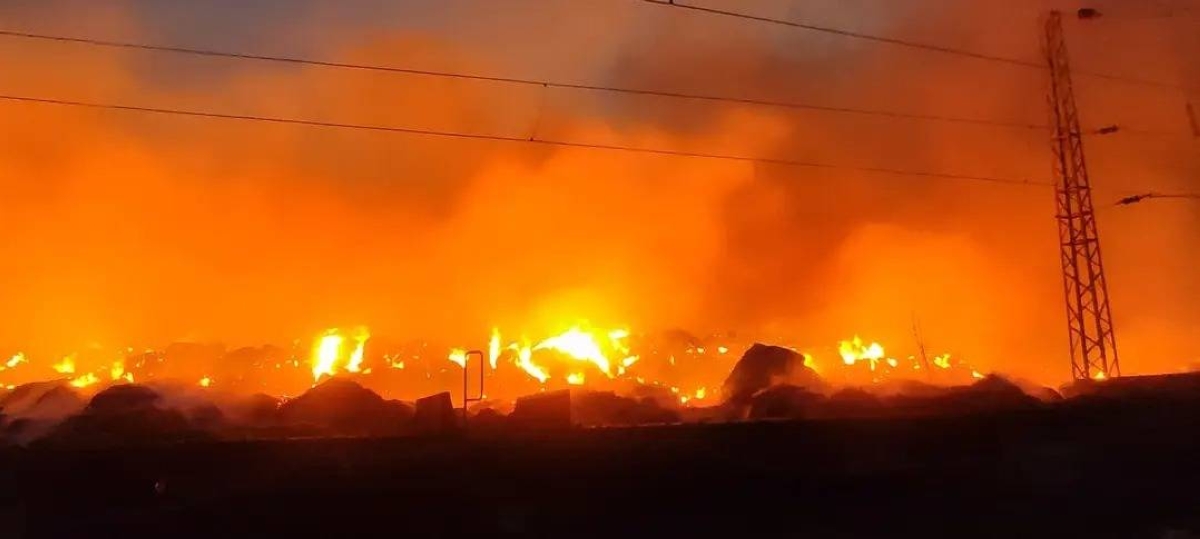
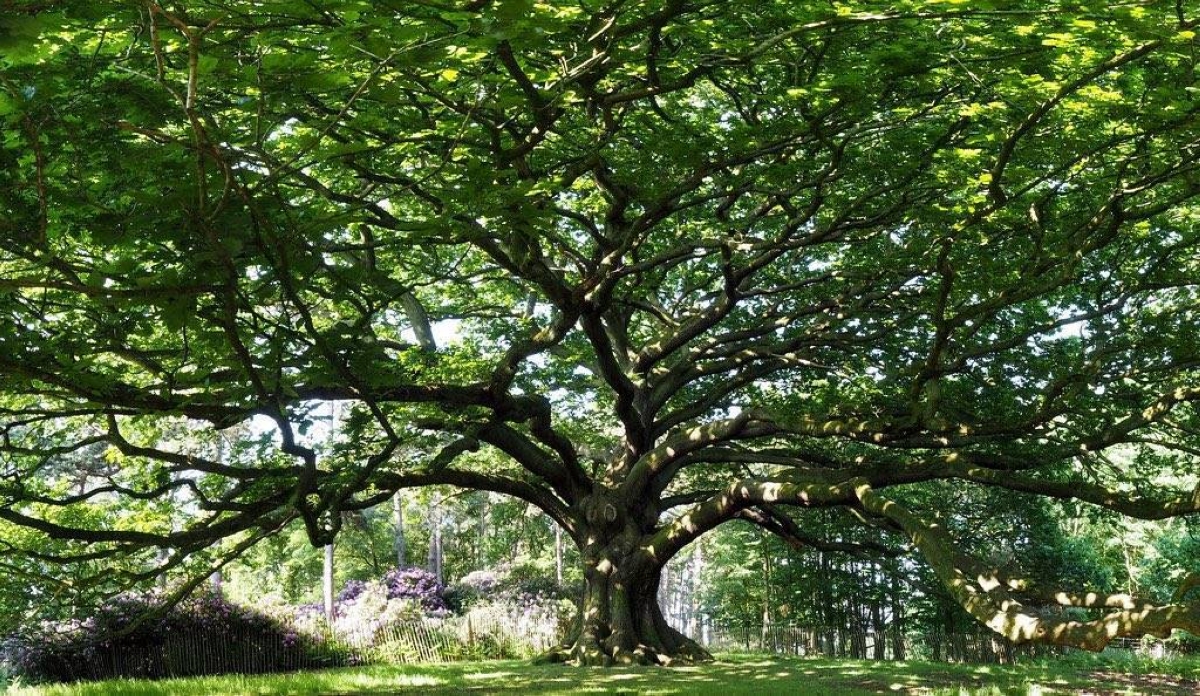
في مأساة بيئية وثقافية، أعلنت السلطات البلغارية، اليوم السبت، أن حرائق الغابات المستعرة في جبال الرودوبي قد التهمت شجرة «بلوط الشتاء» التاريخية، وهي واحدة من أبرز المعالم الطبيعية في البلاد، والتي يزيد عمرها عن مئات السنين، وتعد رمزًا للصمود والصلابة، وكانت تُمثل نقطة جذب سياحي بفضل جمالها الخلاب وقيمتها البيئية العالية.
واندلعت الحرائق في عدة مناطق ببلغاريا منذ منتصف يوليو، مدفوعة بموجة حر قياسية وهبوب رياح قوية، مما جعل السيطرة على النيران صعبة، ووفقًا لإدارة الحماية المدنية البلغارية، تسببت الحرائق في تدمير آلاف الهكتارات من الغابات، مما أدى إلى خسائر بيئية جسيمة وتهجير مئات السكان من القرى المجاورة.
وأظهرت صور متداولة على وسائل التواصل الاجتماعي ألسنة اللهب وهي تلتهم الشجرة الشهيرة، وسط أعمدة دخان كثيفة غطت سماء المنطقة، حيث كانت شجرة «بلوط الشتاء»، المعروفة محليًا باسمها البلغاري، رمزًا ثقافيًا يرتبط بالتراث الشعبي، حيث كانت تُروى حولها قصص وأساطير تُمجد قوتها وقدرتها على تحمل الظروف المناخية القاسية.
وبيئيًا، ساهمت الشجرة في دعم التنوع الحيوي في المنطقة، موفرة موطنًا للعديد من الكائنات الحية، وأعربت منظمات بيئية عن حزنها العميق لفقدان هذا الرمز، داعية إلى تعزيز جهود مكافحة حرائق الغابات وحماية المعالم الطبيعية.
وتُواصل فرق الإطفاء البلغارية، بدعم من الاتحاد الأوروبي، جهودها لاحتواء الحرائق، بينما أعلنت الحكومة حالة الطوارئ في المناطق المتضررة، ويُحذر خبراء البيئة من أن تغير المناخ يزيد من شدة وتكرار حرائق الغابات، مما يهدد التراث الطبيعي في بلغاريا وأوروبا بشكل عام.
وتُعد بلغاريا، بغاباتها الكثيفة التي تغطي حوالى 35% من أراضيها، عرضة لحرائق الغابات خلال فصل الصيف، خاصة في ظل ارتفاع درجات الحرارة وفترات الجفاف الطويلة، وسجلت البلاد في الصيف الحالي درجات حرارة قياسية تجاوزت 40 درجة مئوية، مما زاد من مخاطر الحرائق في مناطق مثل جبال الرودوبي وستارا بلانينا.
وأعلنت الحكومة البلغارية حالة الطوارئ في المناطق المتضررة، وطلبت مساعدة الاتحاد الأوروبي لتوفير طائرات إطفاء ودعم لوجستي، كما دعت منظمات بيئية إلى استراتيجيات طويلة الأمد للحد من تأثير تغير المناخ، مثل إعادة التشجير وتحسين إدارة الغابات.
In an environmental and cultural tragedy, Bulgarian authorities announced today, Saturday, that the raging wildfires in the Rhodope Mountains have consumed the historic "Winter Oak," which is one of the most prominent natural landmarks in the country, over hundreds of years old, and a symbol of resilience and strength. It was a tourist attraction due to its breathtaking beauty and high environmental value.
The fires have erupted in several areas of Bulgaria since mid-July, driven by a record heatwave and strong winds, making it difficult to control the flames. According to the Bulgarian Civil Protection Agency, the fires have destroyed thousands of hectares of forests, leading to severe environmental losses and the displacement of hundreds of residents from nearby villages.
Images circulating on social media showed flames engulfing the famous tree, amid thick columns of smoke that covered the sky in the area, where the "Winter Oak," known locally by its Bulgarian name, was a cultural symbol linked to folklore, with stories and legends celebrating its strength and ability to withstand harsh climatic conditions.
Environmentally, the tree contributed to supporting biodiversity in the region, providing a habitat for many living organisms. Environmental organizations expressed their deep sorrow over the loss of this symbol, calling for enhanced efforts to combat wildfires and protect natural landmarks.
Bulgarian firefighting teams, supported by the European Union, continue their efforts to contain the fires, while the government declared a state of emergency in the affected areas. Environmental experts warn that climate change is increasing the severity and frequency of wildfires, threatening the natural heritage of Bulgaria and Europe in general.
Bulgaria, with its dense forests covering about 35% of its territory, is prone to wildfires during the summer, especially amid rising temperatures and prolonged dry spells. The country recorded record temperatures exceeding 40 degrees Celsius this summer, increasing the fire risks in areas such as the Rhodope Mountains and Stara Planina.
The Bulgarian government declared a state of emergency in the affected areas and requested assistance from the European Union to provide firefighting planes and logistical support. Environmental organizations also called for long-term strategies to mitigate the impact of climate change, such as reforestation and improved forest management.