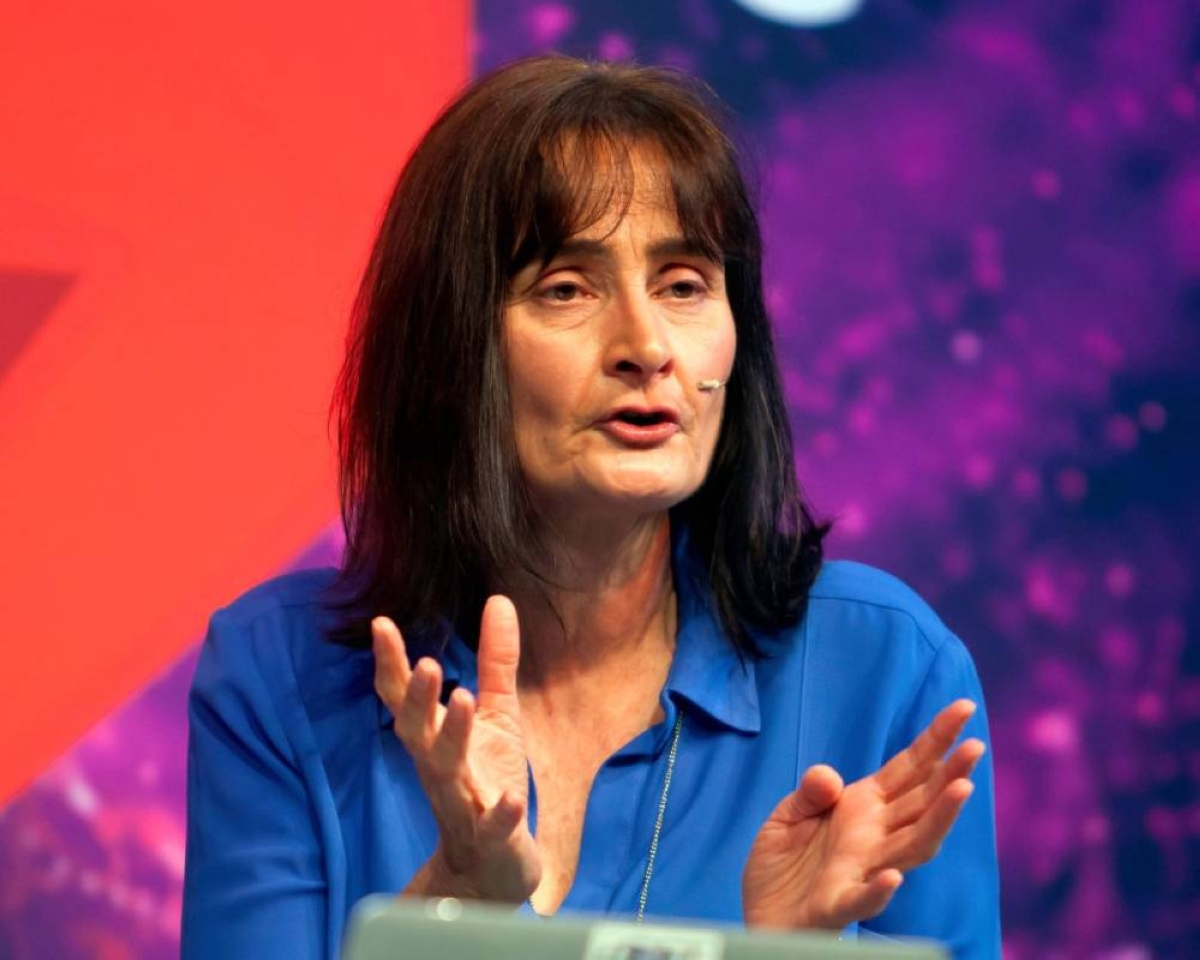
اختيرت البروفيسورة ميشيل دوغرتي، عالمة الفيزياء الفضائية البارزة التي ساهمت في اكتشاف إمكانية وجود حياة خارج كوكب الأرض على أحد أقمار زحل، كأول امرأة تتولى منصب الفلكي الملكي، وهو لقب فخري يعود تاريخه إلى 350 عامًا.
وتأتي الخطوة، بحسب صحيفة «الغارديان»، بعد تعيين كاثرين هيمانز كأول فلكية ملكية لأسكتلندا في عام 2021. وشاركت دوغرتي، التي عملت في بعثة «كاسيني» التابعة لناسا، في اكتشافات كبرى، منها رصد نفاثات بخار الماء تنطلق من قمر زحل «إنسيلادوس»، مما يشير إلى إمكانية دعمه للحياة.
وفي 2005، لاحظت دوغرتي، انحرافًا طفيفًا في قياسات المجال المغناطيسي للمركبة كاسيني، مما دفعها لإقناع ناسا بإعادة توجيه المركبة لدراسة أقرب، حيث اكتُشفت أعمدة بخار الماء تنبعث من القطب الجنوبي للقمر، مما جعل إنسيلادوس مرشحًا رئيسيًا للبحث عن حياة خارج الأرض. وأعربت دوغرتي، البالغة من العمر 62 عامًا، عن سعادتها الغامرة بالمنصب، قائلة: «لم أتخيل في طفولتي أنني سأعمل على بعثات فضائية، لذا تولي هذا المنصب أمر لا يصدق». وأضافت في حديث لبرنامج «توداي» على راديو بي بي سي 4: «أريد أن أُلهم الناس، خاصة الفتيات الصغيرات، ليؤمن بقدرتهن على تحقيق أحلامهن في مجالات تبدو صعبة». وستتولى دوغرتي، المنصب إلى جانب مهماتها الحالية كرئيسة تنفيذية لمجلس مرافق العلوم والتكنولوجيا، ورئيسة منتخبة لمعهد الفيزياء، وأستاذة فيزياء الفضاء بكلية إمبريال لندن. وأعربت عن قلقها بشأن تمويل العلوم، مؤكدة أهمية توضيح قيمة الأبحاث العلمية للاقتصاد والرفاهية في المملكة المتحدة. كما تهدف إلى تعزيز شغف الجمهور بالفلك من خلال التواصل حول تأثير العلوم في الحياة اليومية. وُلدت دوغرتي في جنوب إفريقيا، وهي من أصول إنجليزية وأيرلندية، وساعدت في طفولتها والدها في بناء تلسكوب، حيث كانت تجربتها الأولى في رؤية كوكب المشتري وأقماره الأربعة الكبيرة وزحل وحلقاته. وتتخصص في تصميم وتشغيل أدوات لقياس المجالات المغناطيسية في الفضاء ضمن بعثات ناسا ووكالة الفضاء الأوروبية، بما في ذلك مقياس مغناطيسي في بعثة جويس التي تستكشف أقمار المشتري الجليدية، والتي ستصل إلى وجهتها في 2031. وهنأت البروفيسورة السيدة أنجيلا ماكلين، كبيرة المستشارين العلميين للحكومة البريطانية، دوغرتي على تعيينها، واصفة إياه بأنه تكريم مستحق لعملها المتميز وتفانيها في علم الفلك.
Professor Michelle Dougherty, the prominent space physicist who contributed to the discovery of the potential for extraterrestrial life on one of Saturn's moons, has been appointed as the first woman to hold the title of Astronomer Royal, a honorary title that dates back 350 years.
This move comes, according to The Guardian, after the appointment of Catherine Heymans as the first Astronomer Royal for Scotland in 2021. Dougherty, who worked on NASA's Cassini mission, was involved in major discoveries, including the observation of water vapor jets emanating from Saturn's moon Enceladus, indicating its potential to support life.
In 2005, Dougherty noticed a slight deviation in the magnetic field measurements of the Cassini spacecraft, which led her to persuade NASA to redirect the spacecraft for closer study, where plumes of water vapor were discovered erupting from the moon's southern pole, making Enceladus a prime candidate in the search for extraterrestrial life. The 62-year-old Dougherty expressed her overwhelming happiness at the position, stating, "I never imagined as a child that I would work on space missions, so taking on this role is incredible." She added in an interview on the BBC Radio 4's Today program: "I want to inspire people, especially young girls, to believe in their ability to achieve their dreams in fields that seem difficult." Dougherty will hold the position alongside her current roles as Chief Executive of the Science and Technology Facilities Council, elected President of the Institute of Physics, and Professor of Space Physics at Imperial College London. She expressed concern about science funding, emphasizing the importance of clarifying the value of scientific research to the economy and well-being in the UK. She also aims to enhance public passion for astronomy through communication about the impact of science on everyday life. Born in South Africa, Dougherty has English and Irish roots, and as a child, she helped her father build a telescope, where her first experience was seeing Jupiter and its four large moons, as well as Saturn and its rings. She specializes in designing and operating instruments to measure magnetic fields in space for NASA and the European Space Agency missions, including a magnetometer on the JUICE mission exploring Jupiter's icy moons, which will reach its destination in 2031. Professor Angela McLean, the UK government's Chief Scientific Adviser, congratulated Dougherty on her appointment, describing it as a well-deserved honor for her outstanding work and dedication to astronomy.