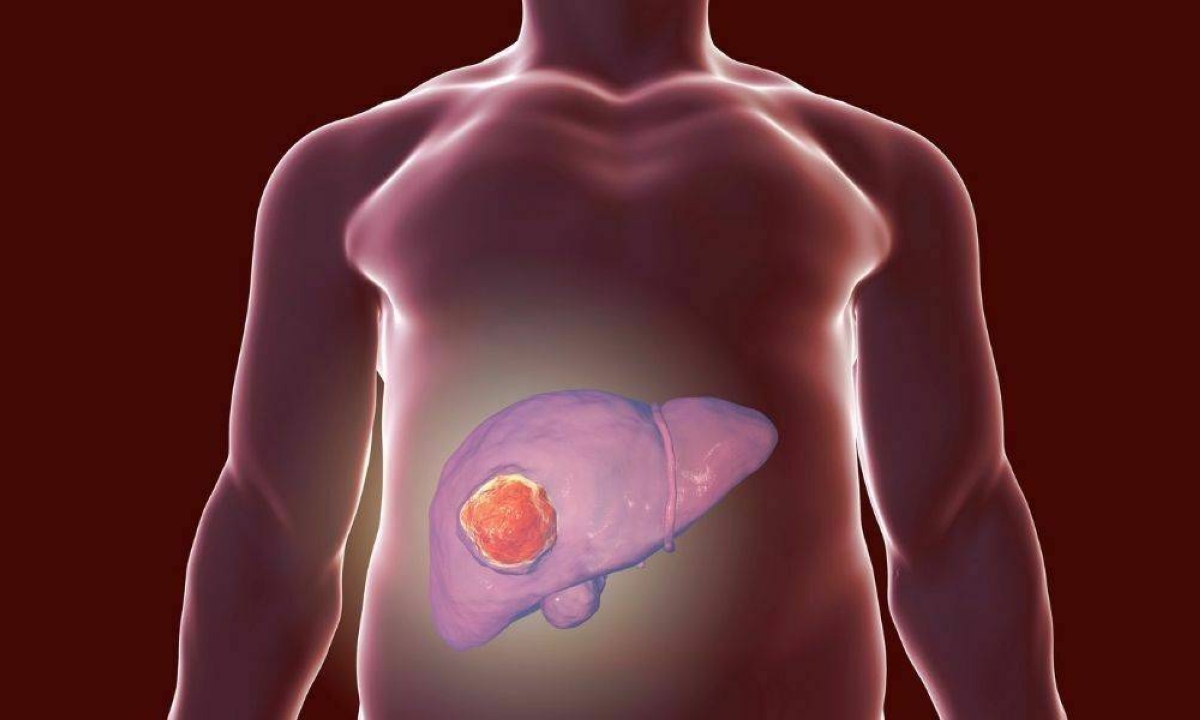
حذر خبراء دوليون من تضاعف عدد الإصابات بسرطان الكبد بحلول عام 2050، ليصل إلى 1.52 مليون حالة سنويًا مقارنةً بأقل من مليون حالة عام 2022، نتيجة تزايد معدلات السمنة، وفقًا لتقرير لجنة لانسيت المعنية بسرطان الكبد بقيادة أكاديميين من الصين.
وتوقعت اللجنة في ورقة بحثية متخصصة أن ترتفع الوفيات المرتبطة بالمرض من 760 ألفًا عام 2022 إلى 1.37 مليون وفاة سنويًا في 2050، مما يجعل سرطان الكبد واحدًا من أسرع أنواع السرطان نموًا من حيث الانتشار والفتك.
وأشار الباحثون إلى أن 3 من كل 5 حالات يمكن الوقاية منها، إذا تم التعامل مع الأسباب الأساسية، وهي: التهاب الكبد الفايروسي وشرب الخمور والسمنة. كما توقعت الدراسة أن تقل نسبة الحالات المرتبطة بفايروس التهاب الكبد الوبائي بي وسي، في مقابل ارتفاع الحالات الناتجة عن عوامل نمط الحياة، خصوصا السمنة.
ومن المرجح أن ترتفع نسبة حالات سرطان الكبد المرتبطة بالسمنة من 5% إلى 11%، بينما يُتوقع أن تسبب الكحول نحو 21% من حالات الإصابة بحلول 2050، بالإضافة إلى 11% من حالات مرض الكبد الدهني المرتبط بخلل التمثيل الغذائي.
وأكد فريق الخبراء ضرورة اعتماد تدابير وقائية شاملة تستهدف مختلف عوامل الخطر، خصوصا مع الإشارة إلى أن معدل البقاء على قيد الحياة لمرضى سرطان الكبد لا يتجاوز 30% في أفضل الحالات.
ودعا رئيس فريق الدراسة البروفيسور جيان تشو من جامعة فودان الصينية إلى تحرك عالمي سريع، محذرًا من أن سرطان الكبد من أكثر أنواع السرطان صعوبة في العلاج، وتجاهل الوقاية منه سيؤدي إلى مضاعفة أعداد الضحايا خلال العقود القادمة.
وأكد البروفيسور ستيفن تشان من الجامعة الصينية في هونغ كونغ أن هناك فرصة كبيرة للوقاية من معظم الحالات، إذا استهدفت السياسات الصحية الأسباب القابلة للتفادي، مما يتيح إنقاذ مئات آلاف الأرواح حول العالم.
International experts have warned that the number of liver cancer cases is expected to double by 2050, reaching 1.52 million cases annually compared to less than one million cases in 2022, due to rising obesity rates, according to a report by the Lancet Commission on Liver Cancer led by academics from China.
The commission predicted in a specialized research paper that deaths related to the disease will rise from 760,000 in 2022 to 1.37 million deaths annually by 2050, making liver cancer one of the fastest-growing types of cancer in terms of prevalence and lethality.
The researchers noted that 3 out of 5 cases could be prevented if the underlying causes are addressed, which are: viral hepatitis, alcohol consumption, and obesity. The study also predicted a decrease in cases related to hepatitis B and C viruses, in contrast to an increase in cases resulting from lifestyle factors, particularly obesity.
The proportion of liver cancer cases related to obesity is likely to rise from 5% to 11%, while alcohol is expected to account for about 21% of cases by 2050, in addition to 11% of cases of fatty liver disease associated with metabolic dysfunction.
The expert team emphasized the need for comprehensive preventive measures targeting various risk factors, especially noting that the survival rate for liver cancer patients does not exceed 30% in the best cases.
Professor Jian Zhou, the head of the study team from Fudan University in China, called for rapid global action, warning that liver cancer is one of the most difficult types of cancer to treat, and neglecting prevention will lead to a doubling of victim numbers in the coming decades.
Professor Stephen Chan from the Chinese University of Hong Kong confirmed that there is a significant opportunity to prevent most cases if health policies target avoidable causes, which could save hundreds of thousands of lives worldwide.