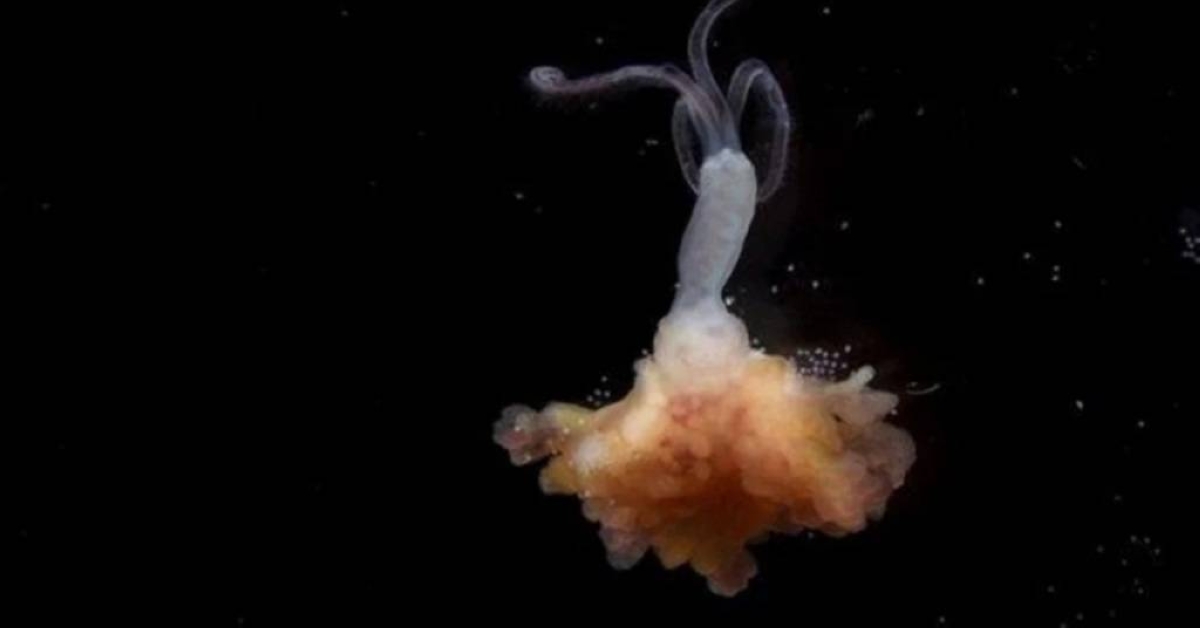
كشفت دراسة علمية حديثة عن وجود ديدان بحرية متخصصة في التهام العظام تعود إلى أكثر من 100 مليون سنة (أي إلى العصر الطباشيري)، مؤكدة أن هذه الكائنات كانت تتغذى على بقايا الزواحف البحرية العملاقة مثل الإكثيوصورات والبليزوصورات قبل وقت طويل من ظهور الحيتان.
وأجرى الدراسة علماء من كلية لندن الجامعية ومتحف التاريخ الطبيعي ونُشرت في مجلة PLOS ONE، واستخدم فيها العلماء التصوير المقطعي المحوسب لتحليل 130 أحفورة، عُثر في ستة منها على جحور دقيقة داخل العظام تشبه تماماً تلك التي تُحدثها ديدان «أوسيداكس» الحديثة، وهي ديدان عديمة الفم والأمعاء تعتمد على بكتيريا شريكة لاستخلاص المغذيات من العظام.
وقالت الباحثة الرئيسية سارة جاميسون إن أنماط الحفر «متطابقة تقريباً» مع الأنواع الحالية، وهو ما يرجح أن السلوك نفسه في استهلاك العظام قد استمر دون انقطاع منذ ملايين السنين.
وفي الدراسة، حدد الفريق سبعة أنواع جديدة بناءً على آثار الحفر فقط، وهو ما يُعرف في علم الحفريات باسم «الأيكنوسبيسي»، بينها نوع أُطلق عليه اسم أوسبيكوس يونيسفوتي، تكريماً للعالمة الأمريكية يونيس نيوتن فوت، الرائدة في ربط ثاني أكسيد الكربون بتغير المناخ.
ورغم غرابتها، تؤدي هذه الديدان دوراً بيئياً مهماً في إعادة تدوير المغذيات في قاع المحيط، حيث تلتهم العظام بعد أن تنتهي منها الحيوانات الكانسة، مما يجعلها جزءاً محورياً من دورة الحياة في الأعماق.
وتعيد الدراسة تسليط الضوء على كيفية تطور الحياة في المحيطات، وتؤكد أن حتى الكائنات الغريبة وغير المرئية تلعب دوراً جوهرياً في توازن الأنظمة البيئية.
A recent scientific study revealed the existence of specialized marine worms that consume bones dating back over 100 million years (to the Cretaceous period), confirming that these organisms fed on the remains of giant marine reptiles such as ichthyosaurs and plesiosaurs long before the appearance of whales.
The study was conducted by scientists from University College London and the Natural History Museum and was published in the journal PLOS ONE. The researchers used computed tomography to analyze 130 fossils, six of which contained tiny burrows within the bones that closely resemble those made by modern "Osedax" worms, which are mouthless and gutless worms that rely on symbiotic bacteria to extract nutrients from bones.
Lead researcher Sarah Jamieson stated that the burrowing patterns are "almost identical" to those of current species, suggesting that the same behavior in bone consumption has continued uninterrupted for millions of years.
In the study, the team identified seven new species based solely on the traces of burrowing, a process known in paleontology as "ichnology," including one species named Osedax unisefoti, in honor of American scientist Eunice Newton Foote, a pioneer in linking carbon dioxide to climate change.
Despite their strangeness, these worms play an important environmental role in recycling nutrients on the ocean floor, as they consume bones after scavenging animals have finished with them, making them a crucial part of the life cycle in the depths.
The study highlights how life in the oceans has evolved and confirms that even strange and invisible organisms play a fundamental role in the balance of ecosystems.