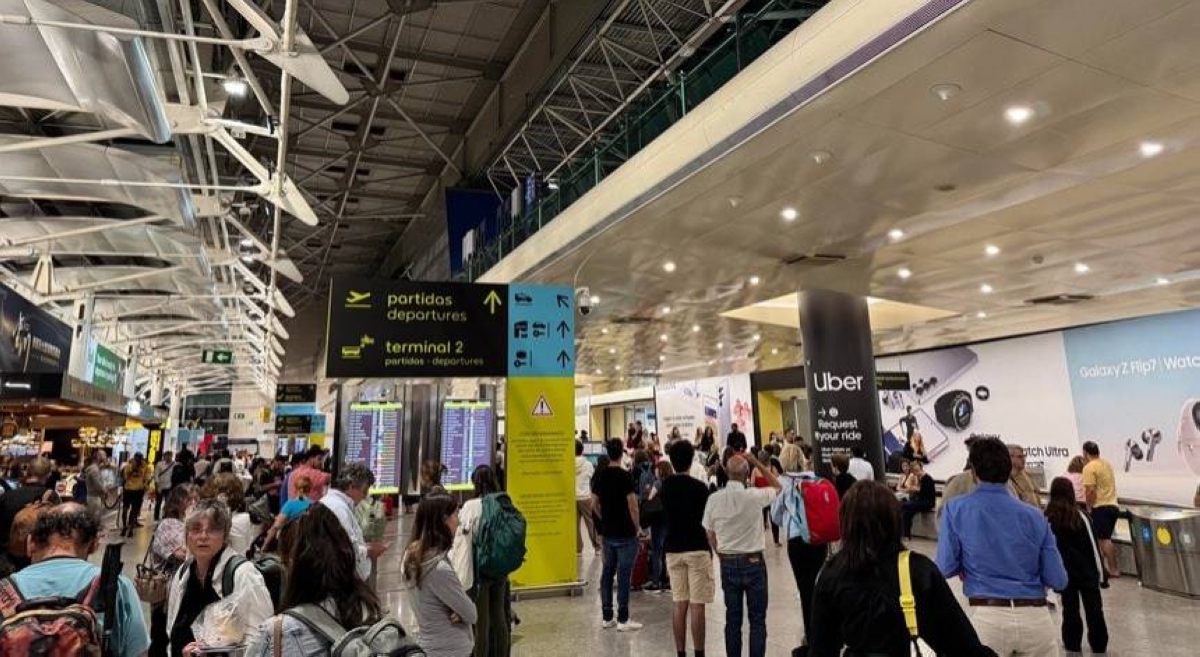
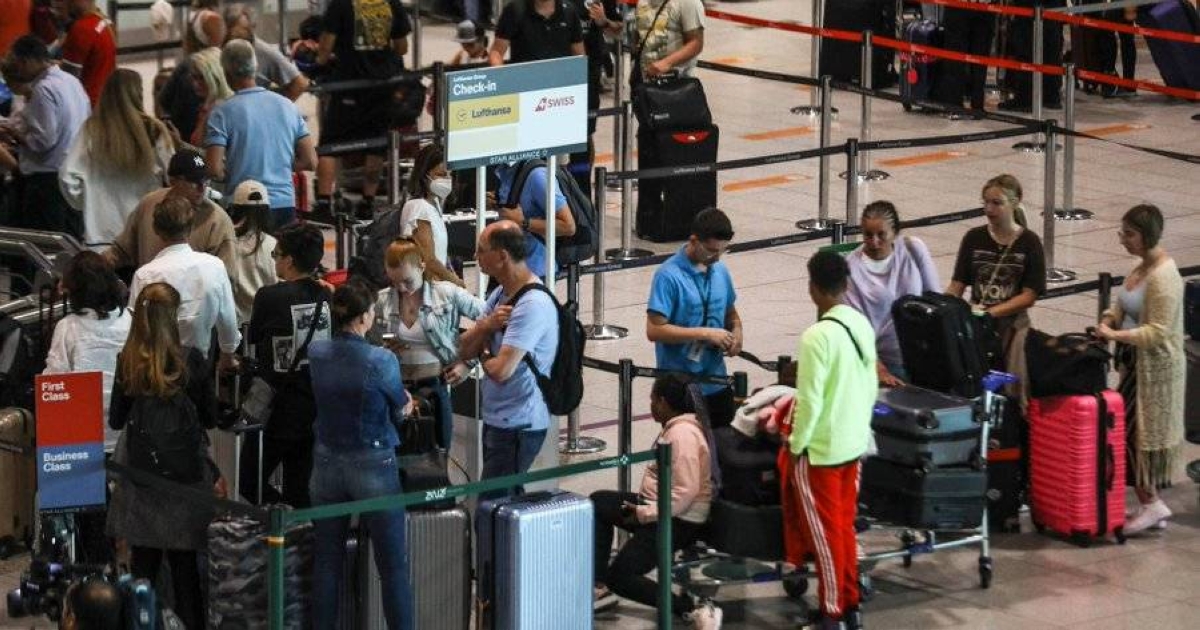
شهد مطار هومبيرتو دلغادو في لشبونة، أحد أكثر المطارات ازدحاما في البرتغال، اضطرابات كبيرة اليوم (السبت)، جراء إضراب نفذه عمال الخدمات الأرضية، حتى تسبب الإضراب، الذي بدأ منتصف ليل الجمعة ويستمر حتى منتصف ليل الإثنين، في إلغاء عشرات الرحلات وتأخيرات طويلة، وأثر على آلاف المسافرين خلال ذروة موسم العطلات الصيفية.
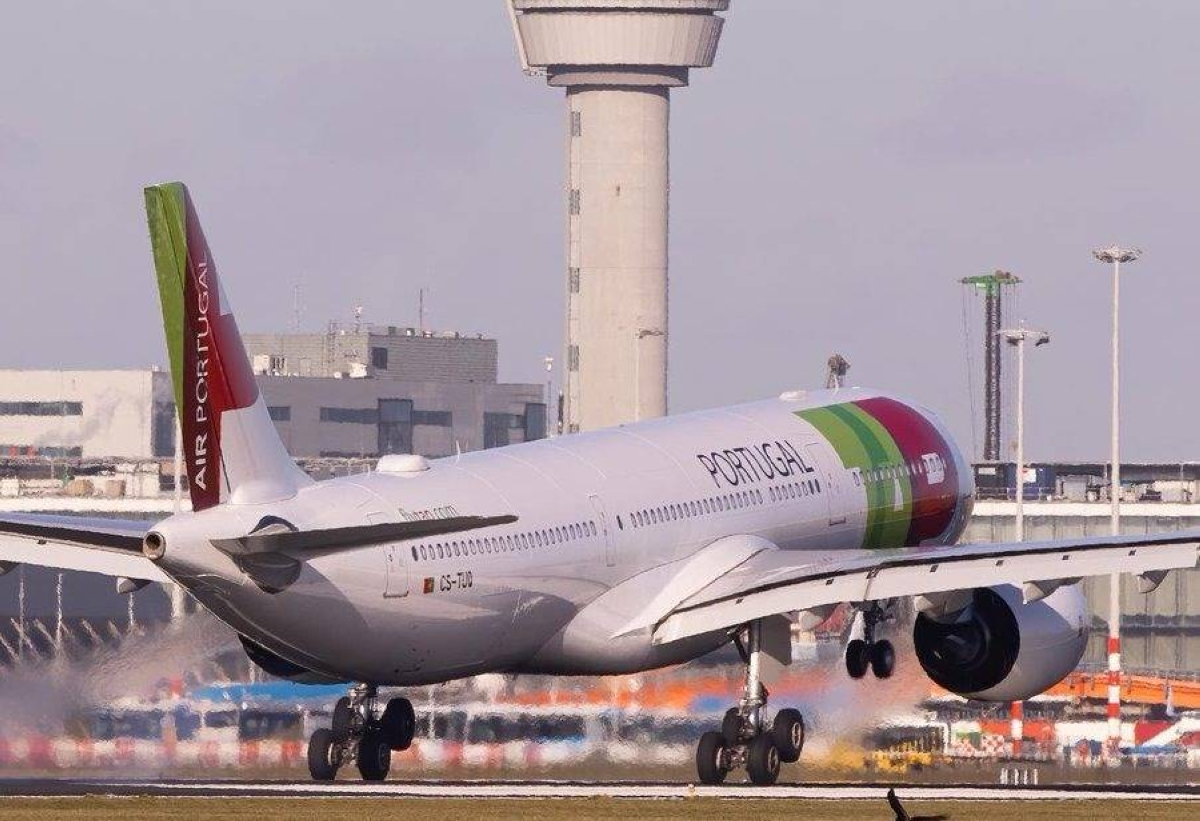
وأفادت تقارير من إدارة المطار أن العديد من الرحلات الجوية، خصوصا تلك التي تديرها الخطوط الجوية البرتغالية والخطوط الجوية الألمانية والخطوط الجوية البريطانية تأثرت بشدة، حيث شهدت عمليات تسجيل الوصول، مناولة الأمتعة، وخدمات صيانة الطائرات تعطلا كبيرا، ونصحت السلطات المسافرين بالتحقق من حالة رحلاتهم عبر مواقع الشركات الجوية قبل التوجه إلى المطار، فيما أعربت نقابة العمال عن أسفها للإزعاج، مؤكدة أن الإضراب جاء كخيار أخير بعد فشل المفاوضات مع الشركة.
ويأتي إضراب عمال الخدمات الأرضية في مطار هومبيرتو دلغادو ضمن سلسلة من الإضرابات المقررة على مدار خمس عطلات نهاية أسبوع متتالية في يوليو وأغسطس، في جميع مطارات البرتغال الرئيسية، بما في ذلك لشبونة وبورتو وفارو وبورتو سانتو، ويعود سبب الإضراب إلى مطالب النقابة بتحسين الأجور، التي تُعد أقل من الحد الأدنى للأجور في البرتغال، وتسوية المدفوعات المتأخرة للعمل الإضافي والورديات الليلية، إلى جانب الاعتراض على التغييرات غير القانونية في ساعات العمل وبرامج التسريح الجماعي.
وفقا لتقارير، تسببت الإضرابات في البرتغال خلال الصيف في اضطرابات واسعة النطاق، حيث يُعد يوليو وأغسطس من أكثر الفترات ازدحاما بسبب تدفق السياح الأوروبيين والمحليين. وتشير بيانات إدارة المطارات الوطنية إلى أن إضرابا سابقا في 2022 أدى إلى إلغاء ما يقرب من 60 رحلة في يوم واحد بمطار لشبونة، ما يعكس حجم الاضطرابات المحتملة.
وتشهد البرتغال، وخصوصا لشبونة، طفرة سياحية كبيرة في السنوات الأخيرة، ما يجعل المطارات مركزا حيويا للاقتصاد الوطني، ومع ذلك، تُثير هذه الإضرابات مخاوف من تأثير سلبي على سمعة البرتغال كوجهة سياحية، خصوصا مع تزامن الإضرابات مع ذروة موسم السفر، وتواجه شركات الطيران تحديات في إعادة جدولة الرحلات وتوفير تعويضات للمسافرين، بينما يعاني المسافرون من تأخيرات طويلة في تسجيل الوصول، فقدان الأمتعة، وإلغاء الرحلات.
وأدى الإضراب إلى حالة من الفوضى في مطار هومبيرتو دلغادو، حيث عانى المسافرون من طوابير طويلة وتأخيرات في استلام الأمتعة، مع إلغاء العديد من الرحلات إلى وجهات أوروبية رئيسية مثل لندن وباريس ومدريد، وأعربت شركات الطيران، عن أملها في تقليل الاضطرابات، مشيرة إلى أن بعض خدماتها قد لا تتأثر بشكل مباشر إذا كانت تعتمد على وكلاء خدمات أرضية آخرين.
Lisbon's Humberto Delgado Airport, one of the busiest airports in Portugal, experienced significant disruptions today (Saturday) due to a strike by ground service workers. The strike, which began at midnight on Friday and will continue until midnight on Monday, resulted in the cancellation of dozens of flights and long delays, affecting thousands of travelers during the peak of the summer holiday season.
Reports from the airport management indicated that many flights, particularly those operated by TAP Air Portugal, Lufthansa, and British Airways, were severely affected, with check-in, baggage handling, and aircraft maintenance services experiencing major disruptions. Authorities advised travelers to check the status of their flights on the airlines' websites before heading to the airport, while the workers' union expressed regret for the inconvenience, stating that the strike was a last resort after negotiations with the company failed.
The strike by ground service workers at Humberto Delgado Airport is part of a series of planned strikes over five consecutive weekends in July and August at all major airports in Portugal, including Lisbon, Porto, Faro, and Porto Santo. The strike is attributed to the union's demands for wage improvements, which are below the minimum wage in Portugal, the settlement of overdue payments for overtime and night shifts, as well as objections to illegal changes in working hours and mass layoffs.
According to reports, the strikes in Portugal during the summer have caused widespread disruptions, as July and August are among the busiest periods due to the influx of European and local tourists. Data from the national airports authority indicates that a previous strike in 2022 led to the cancellation of nearly 60 flights in a single day at Lisbon Airport, reflecting the potential scale of disruptions.
Portugal, especially Lisbon, has seen a significant tourism boom in recent years, making airports a vital hub for the national economy. However, these strikes raise concerns about a negative impact on Portugal's reputation as a tourist destination, especially with the strikes coinciding with the peak travel season. Airlines face challenges in rescheduling flights and providing compensation to travelers, while passengers are suffering from long delays in check-in, lost luggage, and flight cancellations.
The strike has led to chaos at Humberto Delgado Airport, where travelers faced long queues and delays in receiving their luggage, with many flights canceled to major European destinations such as London, Paris, and Madrid. Airlines expressed hope of minimizing disruptions, noting that some of their services might not be directly affected if they rely on other ground service agents.