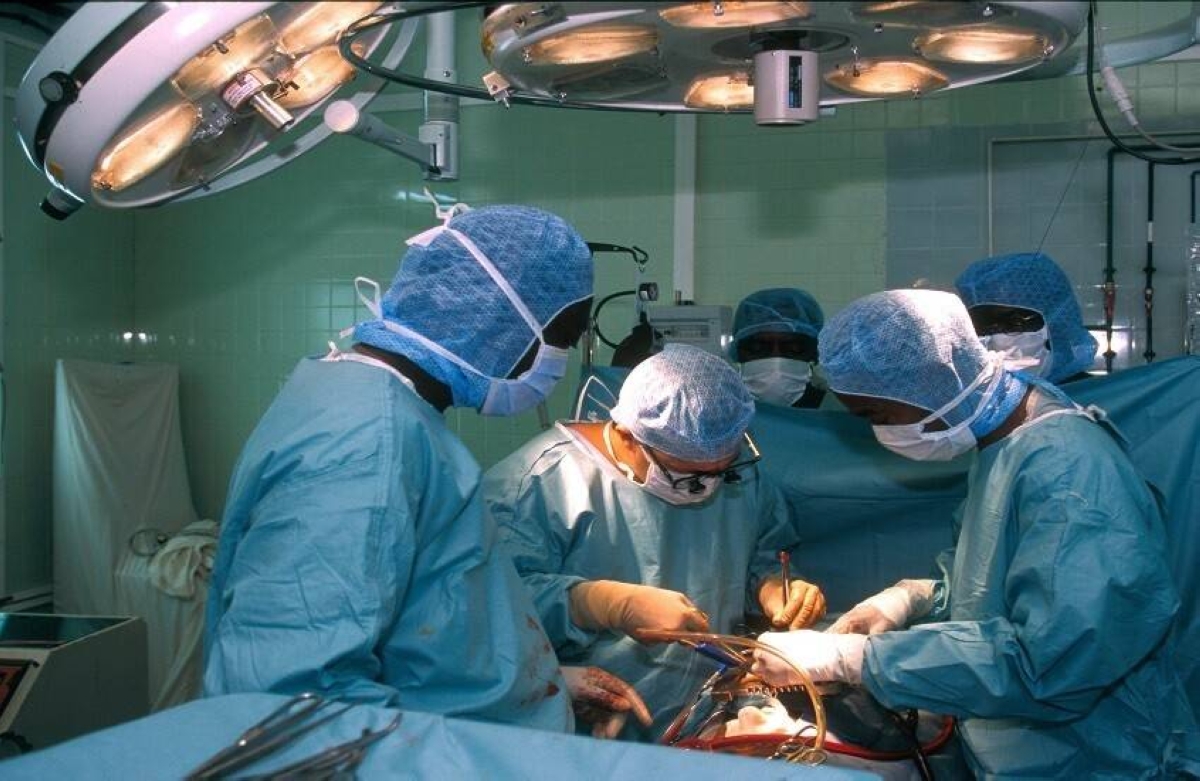
ابتكر فريق من العلماء الروس طريقة جديدة تتيح إجراء عمليات زراعة القلب دون الحاجة إلى إيقافه أو تبريده، ما يقلل بشكل كبير من خطر التلف الإقفاري ويعزز من فرص نجاح عملية الزرع واستمرار وظائف القلب بعد الزرع.
وبحسب نتائج الدراسة التي أجراها باحثون من جامعة أومسك الطبية الروسية على 32 حيواناً مخبرياً، فإنهم استخدموا محلولاً معدلاً يعرف باسم (كريبس هينسلايت)، مع إضافة معلّق لكريات الدم الحمراء، ما وفر تغذية فعالة لعضلة القلب في درجات حرارة راوحت بين 22 و37 درجة مئوية، لمدة وصلت إلى 15 ساعة.
وتم إجراء عملية الزرع باستخدام تقنية غير متجانسة، إذ زرع القلب في تجويف بطن المتلقي، عبر فواصل وعائية من نوع «طرف في الجانب» (side to end)، وهي تقنية تستخدم عادة في الجراحات المعقدة.
وأظهرت النتائج أن هذه الطريقة المبتكرة تتميز بإلغاء مرحلتَي نقص التروية الباردة والدافئة الثانوية، اللتين ترافقان عادة عمليات زراعة القلب، وغالباً ما تؤديان إلى اختلال في وظائف القلب بعد الزرع، ولم تسجل أي مضاعفات لدى حيوانات التجربة خلال فترة المتابعة بعد العملية، بل لوحظ استقرار واضح في أداء القلب المزروع.
ويرى الخبراء أن هذه التقنية قد تحدث تحولاً في معايير زراعة الأعضاء التجريبية، وتمهد الطريق مستقبلاً لتوسيع الاستخدام السريري لتقنية الحقن الدموي المستمر، بما يتيح إجراء عمليات زراعة القلب دون الحاجة لإيقافه، ويجنب التأثيرات السلبية الناتجة عن فترات الشلل القلبي ونقص التروية.
A team of Russian scientists has developed a new method that allows for heart transplants to be performed without the need to stop or cool the heart, significantly reducing the risk of ischemic damage and enhancing the chances of successful transplantation and the continued functioning of the heart post-transplant.
According to the results of a study conducted by researchers from Omsk State Medical University on 32 laboratory animals, they used a modified solution known as (Krebs Hensleit), with the addition of a suspension of red blood cells, which provided effective nourishment to the heart muscle at temperatures ranging from 22 to 37 degrees Celsius for up to 15 hours.
The transplant was performed using a heterogeneous technique, where the heart was implanted in the recipient's abdominal cavity through vascular anastomoses of the "side to end" type, a technique typically used in complex surgeries.
The results showed that this innovative method eliminates the secondary cold and warm ischemia phases that usually accompany heart transplant procedures, which often lead to dysfunction of the heart post-transplant. No complications were recorded in the experimental animals during the follow-up period after the operation, and a clear stability in the performance of the transplanted heart was observed.
Experts believe that this technique could transform the standards of experimental organ transplantation and pave the way for the future expansion of clinical use of continuous blood perfusion techniques, allowing heart transplants to be performed without the need to stop the heart and avoiding the negative effects resulting from periods of cardiac arrest and ischemia.