لعلك تغسل يديك بانتظام، وربما تستخدم معقم اليدين بين الحين والآخر، لكن هل تعلم أن هناك العديد من الأشياء التي نلمسها يوميًا، والتي قد تكون مليئة بالبكتيريا، حتى وإن لم تكن تدرك ذلك؟
من الأسطح التي نتعامل معها في حياتنا اليومية إلى الأدوات التي نستخدمها في المنزل، كل شيء تقريبًا يحمل عدداً هائلًا من الجراثيم. وفيما يلي 11 عنصرًا نستخدمها باستمرار، لكننا ربما لا ندرك مدى خطورتها على صحتنا:
1- إسفنجات المطبخ
الإسفنجات رطبة ومسامية، مما يجعلها بيئة مثالية لنمو البكتيريا. دراسات أظهرت أن الإسفنجات قد تحتوي على ملايين الجراثيم، بما في ذلك البكتيريا القولونية التي ترتبط بالبراز. إذا كانت رائحتها غريبة، استبدلها فورًا.
2- هاتفك المحمول
يُعتبر هاتفك المحمول من أخطر الأشياء التي تلمس وجهك باستمرار. فهو مليء بـ المكورات العنقودية الذهبية والعديد من مسببات الأمراض الأخرى. حافظ على تنظيفه بانتظام باستخدام قطعة قماش من الألياف الدقيقة وصابون لطيف.
3- مقابض عربة التسوق
تلمس مقابض العربات عشرات الأيدِي يوميًا، لكن نادرًا ما تُنظَّف. دراسات أظهرت أن 70% من عربات التسوق ملوثة بـ بكتيريا القولون والإشريكية القولونية. استخدم مناديل التعقيم، خاصةً إذا كنت تشعر بالقلق من الجراثيم.
4- منشفة المطبخ
تستخدم منشفة المطبخ في مسح يديك وأسطح المطبخ، وتغسلها فقط في اليوم التالي. لكن السالمونيلا والإشريكية القولونية يمكن أن تبقى على المنشفة لساعات. استبدلها بانتظام واغسلها بماء ساخن مع مبيض.
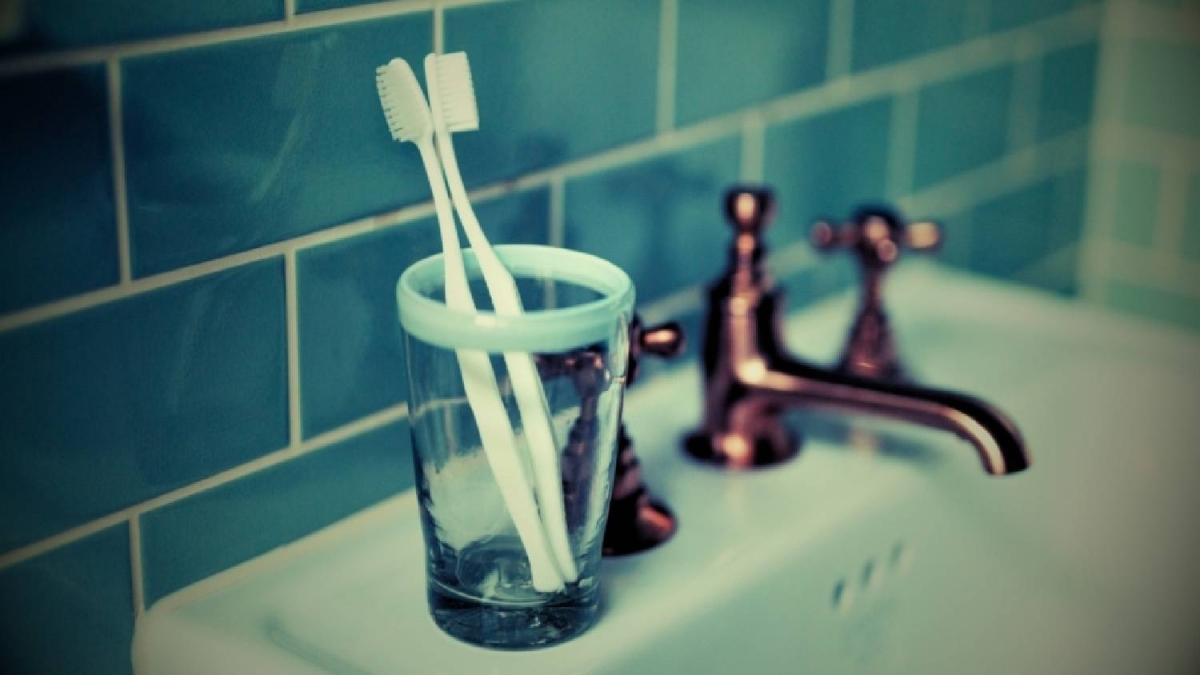
5- فرشاة الأسنان بالقرب من المراحيض
تؤدي عملية شطف المرحاض إلى تناثر رذاذ دقيق قد يلوث فرشاة أسنانك. ووجدت الدراسات وجود الإشريكية القولونية والمكورات العنقودية الذهبية على فرش الأسنان المخزنة بالقرب من المرحاض. حافظ على مسافة بينها وبين المرحاض وابدأ بتعقيمها.
6- ألواح التقطيع
بعد تقطيع اللحوم النيئة، تتراكم بكتيريا السالمونيلا والإشريكية القولونية في الأخاديد الصغيرة التي تتركها السكاكين. استخدم ألواح تقطيع منفصلة للحوم والخضراوات، واغسلها جيدًا بعد كل استخدام.
7- سجادات الحمام
تظل السجادات رطبة لفترات طويلة، مما يجعلها بيئة مثالية للبكتيريا والفطريات. اغسلها أسبوعيًا بماء ساخن للحفاظ على نظافتها، أو جرب سجادة خشبية التي تجف أسرع.
8- مناشف وألعاب الحيوانات الأليفة
اللعاب والفرو والبكتيريا الخارجية تجعل من مناشف وألعاب الحيوانات الأليفة بيئة خصبة للبكتيريا مثل الإشريكية القولونية والمكورات العنقودية الذهبية. تأكد من غسلها بانتظام واستبدالها عند ظهور أي روائح غير مستحبة.
9- أدوات التجميل المشتركة
مقصات الأظافر وأدوات إزالة الجلد الميت يمكن أن تكون مليئة بـ المكورات العنقودية الذهبية. تأكد من تعقيم الأدوات جيدًا، واحرص على جلب أدواتك الخاصة عند زيارة الصالونات.
10- صواني أمن المطار
تلامس هذه الصواني المئات من المسافرين يوميًا، لكن نادرًا ما تُنظَّف. أظهرت دراسة أن صواني الأمن قد تحتوي على بكتيريا الإشريكية القولونية. استخدم معقم اليدين بعد المرور من التفتيش الأمني.
11- أجهزة التحكم عن بُعد لتلفزيون الفندق
هذه الأجهزة ربما تكون أكثر اتساخًا من الحمام نفسه. أظهرت الدراسات أنها تحتوي على المكورات العنقودية الذهبية و الإشريكية القولونية. امسحها عند الوصول أو لفها في كيس بلاستيكي لحمايتها من الجراثيم.
إن جهازك المناعي قادر على التعامل مع العديد من الجراثيم، لكن لا ضرر من أخذ بعض الاحتياطات. اغسل يديك بانتظام، استبدل الإسفنجة القديمة، وحاول تجنب لمس الأشياء الملوثة قدر الإمكان.
You may wash your hands regularly, and perhaps use hand sanitizer from time to time, but did you know that there are many things we touch daily that could be full of bacteria, even if you don’t realize it?
From the surfaces we interact with in our daily lives to the tools we use at home, almost everything carries a huge number of germs. Here are 11 items we constantly use, but we may not realize how dangerous they are to our health:
1- Kitchen Sponges
Sponges are damp and porous, making them an ideal environment for bacteria to grow. Studies have shown that sponges can contain millions of germs, including E. coli bacteria associated with feces. If it smells strange, replace it immediately.
2- Your Mobile Phone
Your mobile phone is considered one of the most dangerous things that constantly touches your face. It is full of Staphylococcus aureus and many other pathogens. Keep it clean regularly using a microfiber cloth and gentle soap.
3- Shopping Cart Handles
Shopping cart handles are touched by dozens of hands daily, but they are rarely cleaned. Studies have shown that 70% of shopping carts are contaminated with E. coli and other bacteria. Use sanitizing wipes, especially if you are concerned about germs.
4- Kitchen Towels
Kitchen towels are used to wipe your hands and kitchen surfaces, and they are only washed the next day. However, salmonella and E. coli can remain on the towel for hours. Replace them regularly and wash them in hot water with bleach.
5- Toothbrushes Near Toilets
Flushing the toilet can create a fine spray that may contaminate your toothbrush. Studies have found E. coli and Staphylococcus aureus on toothbrushes stored near the toilet. Keep it at a distance from the toilet and start sanitizing it.
6- Cutting Boards
After cutting raw meat, salmonella and E. coli bacteria accumulate in the small grooves left by knives. Use separate cutting boards for meat and vegetables, and wash them thoroughly after each use.
7- Bath Mats
Bath mats stay damp for long periods, making them an ideal environment for bacteria and fungi. Wash them weekly in hot water to keep them clean, or try a wooden mat that dries faster.
8- Pet Towels and Toys
Saliva, fur, and external bacteria make pet towels and toys a fertile ground for bacteria like E. coli and Staphylococcus aureus. Be sure to wash them regularly and replace them when any unpleasant odors appear.
9- Shared Beauty Tools
Nail clippers and dead skin removal tools can be full of Staphylococcus aureus. Make sure to sanitize the tools well, and be sure to bring your own tools when visiting salons.
10- Airport Security Trays
These trays come into contact with hundreds of travelers daily, but they are rarely cleaned. A study showed that security trays may contain E. coli bacteria. Use hand sanitizer after passing through security.
11- Hotel TV Remote Controls
These devices may be dirtier than the bathroom itself. Studies have shown they contain Staphylococcus aureus and E. coli. Wipe them down upon arrival or wrap them in a plastic bag to protect them from germs.
Your immune system can handle many germs, but there’s no harm in taking some precautions. Wash your hands regularly, replace the old sponge, and try to avoid touching contaminated items as much as possible.