أعلن أطباء في المملكة المتحدة عن ولادة ثمانية أطفال أصحاء بعد إجراء عملية رائدة لإنشاء أجنة التلقيح الصناعي باستخدام الحمض النووي من ثلاثة أشخاص لمنع الأطفال من وراثة اضطرابات وراثية غير قابلة للعلاج.
فيما أعلنت دراستان نُشرتا في مجلة New England Journal of Medicine عن نجاح تقنية طبية حديثة تُعرف بـ«علاج التبرع بالميتوكوندريا» (MDT) في منع انتقال أمراض الميتوكوندريا الوراثية إلى الأطفال.
وتؤثر هذه الأمراض، التي تُصيب واحدًا من كل 5000 مولود، على الأعضاء عالية الطاقة مثل الدماغ، القلب، والعضلات، مما يؤدي إلى تأخرات تنموية، والحاجة إلى كراسي متحركة، أو الوفاة المبكرة في مرحلة الطفولة.
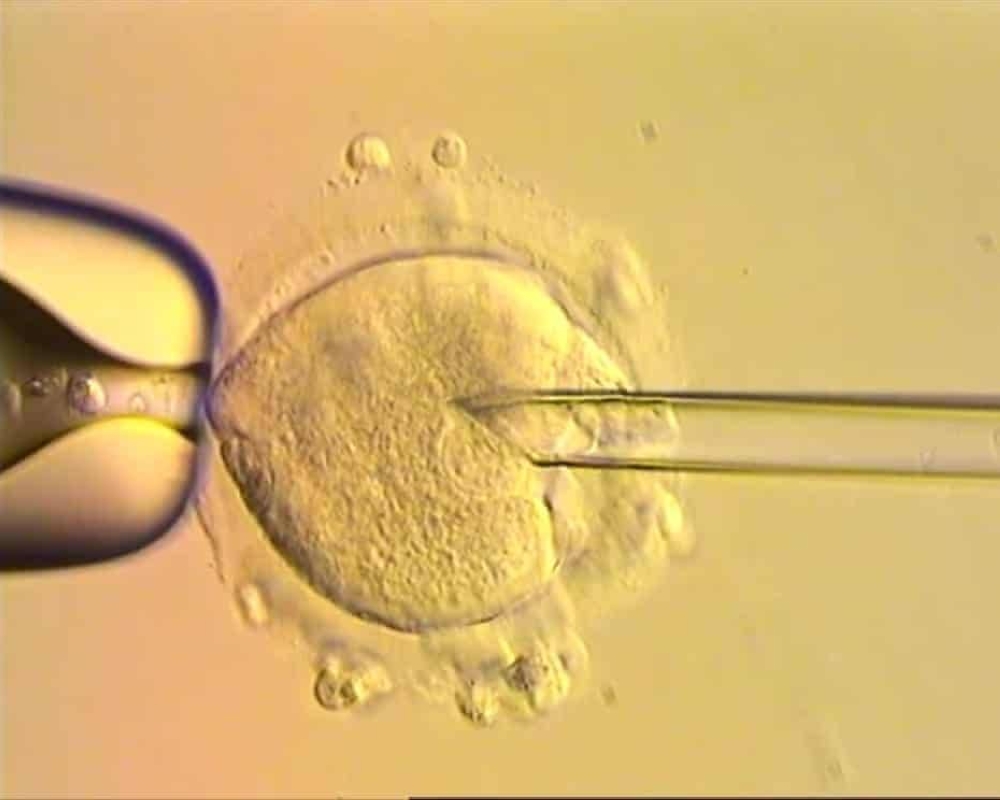
وتعتمد التقنية الطبية الحديثة على تخصيب بويضة الأم بحيوان منوي من الأب، ثم نقل المادة الجينية من نواة البويضة المخصبة إلى بويضة متبرعة سليمة تمت إزالة نواتها.
وينتج عن ذلك بويضة مخصبة تحمل الكروموسومات الكاملة من الأبوين، ولكن مع ميتوكوندريا سليمة من المتبرعة، وتُزرع البويضة بعد ذلك في رحم الأم لتكوين الحمل.
وفي نتائج مُبشرة، وُلد أول ثمانية أطفال باستخدام هذه التقنية بصحة جيدة، فيما واجه أحد الأطفال التهابًا بوليًا تم علاجه، بينما عانى آخر من تشنجات عضلية زالت من تلقاء نفسها، أما الطفل الثالث فأصيب بارتفاع في دهون الدم واضطراب في نظم القلب، وهي حالة يُعتقد أنها مرتبطة بمشكلة صحية لدى الأم أثناء الحمل.
وأظهرت الفحوصات الجينية أن الأطفال إما خالون من الميتوكوندريا المعيبة أو يحملون مستويات منخفضة جدًا لا تكفي لتسبب المرض، مما يشير إلى إمكانية تحسين التقنية.
وقال بوبي ماكفارلاند، مدير الخدمة المتخصصة للاضطرابات الميتوكوندرية النادرة في مستشفيات نيوكاسل التابعة للخدمة الصحية الوطنية: «جميع الأطفال بصحة جيدة ويواصلون تحقيق معالم نموهم التنموي، خمسة من الأطفال دون سن السنة، واثنان بين سنتين، والطفل الثامن أكبر سنًا».
وقالت والدة إحدى الفتيات لصحيفة «الغارديان»: «كآباء، كان حلمُنا أن نمنح طفلنا بداية صحية، بعد سنوات من عدم اليقين، منحنا هذا العلاج الأمل، ثم منحنا طفلتنا، نحن غارقون بالامتنان للعلم الذي أعطانا هذه الفرصة».
وبالنسبة للنساء اللواتي ينتجن بويضات بمستويات متفاوتة من الميتوكوندريا المعيبة، يمكن استخدام تقنية الفحص الجيني قبل الزرع (PGT) لاختيار بويضات للتلقيح الصناعي تحمل مخاطر منخفضة لنقل المرض، لكن هذا الخيار غير متاح للنساء اللواتي تحتوي جميع بويضاتهن على مستويات عالية من الطفرات.
وأفاد فريق نيوكاسل أن 36% من النساء (8 من 22) حملن بعد MDT، بينما حملت 41% (16 من 39) بعد PGT.
الأسباب وراء اختلاف النسب غير واضحة، لكن بعض طفرات الميتوكوندريا قد تؤثر على الخصوبة.
وفي تعليق مصاحب، قال روبين لوفيل بادج، من معهد فرانسيس كريك في لندن لصحيفة «الغارديان»، إن الطريق إلى هذه المرحلة كان محبطًا بلا شك للنساء المعرضات لخطر إنجاب أطفال مصابين بأمراض الميتوكوندريا، لكنه أشاد بالنهج الحذر للعلماء.
Doctors in the United Kingdom announced the birth of eight healthy babies following a pioneering procedure to create in vitro fertilization embryos using DNA from three people to prevent children from inheriting untreatable genetic disorders.
Two studies published in the New England Journal of Medicine reported the success of a modern medical technique known as "mitochondrial donation therapy" (MDT) in preventing the transmission of hereditary mitochondrial diseases to children.
These diseases, which affect one in every 5,000 births, impact high-energy organs such as the brain, heart, and muscles, leading to developmental delays, the need for wheelchairs, or early death in childhood.
The modern medical technique involves fertilizing the mother's egg with the father's sperm, then transferring the genetic material from the nucleus of the fertilized egg to a healthy donated egg from which the nucleus has been removed.
This results in a fertilized egg that carries the complete chromosomes from the parents but has healthy mitochondria from the donor, which is then implanted in the mother's womb to establish a pregnancy.
In promising results, the first eight babies born using this technique are healthy, although one baby faced a urinary tract infection that was treated, while another experienced muscle spasms that resolved on their own. The third baby had elevated blood fats and a heart rhythm disorder, a condition believed to be related to a health issue the mother experienced during pregnancy.
Genetic tests showed that the children are either free from defective mitochondria or carry very low levels that are insufficient to cause disease, indicating the potential for improving the technique.
Bobby McFarland, director of the specialized service for rare mitochondrial disorders at Newcastle hospitals under the National Health Service, stated, "All the children are healthy and continue to reach their developmental milestones, with five of the children under one year old, two between the ages of two, and the eighth child being older."
The mother of one of the girls told The Guardian, "As parents, our dream was to give our child a healthy start, and after years of uncertainty, this treatment gave us hope, and then our daughter. We are overwhelmed with gratitude for the science that gave us this opportunity."
For women who produce eggs with varying levels of defective mitochondria, preimplantation genetic testing (PGT) can be used to select eggs for in vitro fertilization that carry a low risk of transmitting the disease, but this option is not available for women whose eggs all have high levels of mutations.
The Newcastle team reported that 36% of women (8 out of 22) became pregnant after MDT, while 41% (16 out of 39) became pregnant after PGT.
The reasons behind the differing rates are unclear, but some mitochondrial mutations may affect fertility.
In a related comment, Robin Lovell-Badge from the Francis Crick Institute in London told The Guardian that the path to this stage has undoubtedly been frustrating for women at risk of having children with mitochondrial diseases, but he praised the cautious approach of the scientists.